Discover how athletes prepare for game day with training, nutrition, mindset, and recovery routines on and off the field.
Athletic performance on game day is the result of layered preparation that extends far beyond warmups and drills. Elite and amateur athletes alike rely on structured physical conditioning, equipment optimization, recovery protocols, and off-field routines to ensure consistent performance under competitive stress. Being “game day ready” is not a single action, it is a coordinated system designed to reduce variability and maximize readiness.
What You'll Discover:
Physical Preparation and Load Management
On-field preparation begins days before competition. Training cycles are built around load management, balancing stimulus and recovery to ensure peak output without fatigue accumulation. Strength and conditioning programs emphasize sport-specific movement patterns, joint stability, and neuromuscular efficiency.
In the final 24–48 hours before competition, intensity is tapered. High-volume training gives way to activation work, mobility exercises, and light technical sessions. The goal is to prime the nervous system while preserving glycogen stores and minimizing muscle damage.
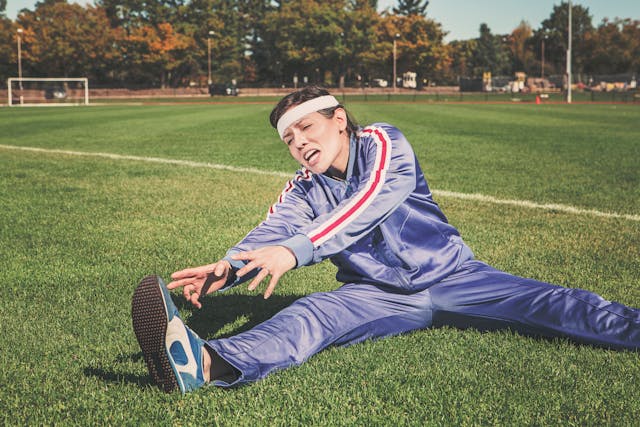
Warmups on game day are structured, not improvised. They typically follow a sequence: general cardiovascular activation, dynamic mobility, progressive speed and power movements, and sport-specific skill execution. This progression reduces injury risk while optimizing reaction time and coordination.
Equipment as a Performance Variable
Equipment selection is a controllable performance factor that athletes and teams treat with increasing precision. Footwear traction patterns, bat or stick balance, glove fit, and uniform materials all influence comfort and execution.
Uniforms, in particular, serve both functional and psychological roles. Breathability, moisture management, and range of motion affect thermoregulation and movement efficiency. At the team level, consistent visual identity reinforces cohesion and focus. Many programs invest in custom softball jerseys and similar sport-specific apparel to ensure proper fit, durability, and uniform standards aligned with competitive demands.
Well-fitted gear reduces distraction, allowing athletes to allocate cognitive resources to decision-making rather than physical discomfort.
Nutrition and Hydration Timing
Game day nutrition is engineered for predictability. Athletes follow established fueling protocols that minimize gastrointestinal distress while ensuring adequate energy availability. Carbohydrate intake is timed to maintain blood glucose levels, while protein supports muscle function and recovery.
Hydration strategies account for environmental conditions, sweat rate, and electrolyte loss. Dehydration as small as two percent of body weight can impair reaction time and endurance, making fluid management a critical component of readiness.
Many athletes also limit unfamiliar foods or supplements on game day, prioritizing consistency over experimentation.
Mental Readiness and Cognitive Control
Mental preparation is as deliberate as physical training. Athletes use visualization, breathing techniques, and pre-performance routines to regulate arousal levels. Too little stimulation leads to sluggishness; too much increases error rates.
Structured routines create familiarity in high-pressure environments. Music playlists, mobility flows, and quiet focus periods help athletes transition into competitive mode. Teams often schedule arrival times and locker room procedures to reduce uncertainty and maintain focus.
Cognitive readiness is especially important in sports requiring rapid decision-making, where milliseconds matter.
Recovery and Skin Health
Preparation also includes recovery from prior training and competition. Soft tissue work, sleep optimization, and inflammation management are critical to maintaining performance across a season.
Skin health is an often-overlooked factor, particularly in sports involving friction, sweat, and frequent equipment contact. Chronic irritation or flare-ups can distract athletes and disrupt training continuity. Managing these issues proactively supports comfort and focus.
Lower in the preparation process, products such as the best eczema cream can play a role in maintaining skin integrity for athletes prone to irritation. Addressing skin conditions early reduces the risk of secondary infection and minimizes distraction during competition.
Off-Field Logistics and Routine Stability
Consistency off the field supports performance on it. Travel schedules, sleep environments, and pre-game meals are standardized whenever possible. Athletes and teams aim to control variables that might otherwise introduce fatigue or stress.
This includes planning for equipment checks, uniform preparation, and contingency scenarios such as weather changes or delayed starts. The more predictable the environment, the easier it is for athletes to maintain focus.
Support staff, trainers, equipment managers, and coaches, play a critical role in this process by removing logistical burdens from athletes.
Technology and Data Integration
Wearable technology and performance analytics increasingly inform preparation strategies. GPS tracking, heart rate variability, and movement analysis provide insight into fatigue and readiness levels. Coaches use this data to adjust workloads and identify early signs of overtraining.
Video analysis also contributes to tactical preparation, allowing athletes to review tendencies and refine decision-making ahead of competition.
While technology enhances preparation, it is most effective when integrated into established routines rather than replacing them.
A Systems-Based Approach to Readiness
Game day readiness is not achieved through isolated actions. It emerges from a system that integrates physical training, equipment optimization, nutrition, recovery, mental preparation, and logistical planning.
Athletes who approach preparation holistically reduce performance variability and injury risk. By controlling what can be controlled, on and off the field, they create the conditions for consistent execution when it matters most.
In competitive sports, readiness is rarely accidental. It is engineered.