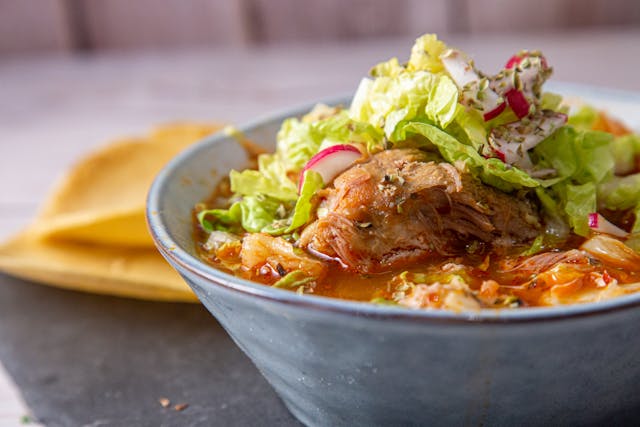
Discover the authentic cocky leekie soup recipe with tender chicken, leeks, and rich broth in this timeless Scottish comfort food.
A cocky leekie soup recipe is a traditional Scottish chicken and leek soup made with slow-simmered broth, tender chicken, and plenty of leeks. Classic versions often include prunes, while modern recipes may add rice or barley for a heartier texture.
The first time I heard the name cocky leekie soup, I assumed it was one of those dishes with a story more interesting than the food itself. Then I started digging into its history, and strangely, the opposite happened.
What looks like a humble bowl of chicken soup turns out to be a culinary time capsule. There are leeks. There is chicken. Sometimes there are prunes, which sounds unusual until you taste how their subtle sweetness softens the savory broth. Suddenly, centuries of Scottish cooking begin to make sense.
The more I explored this traditional recipe, the more it felt like discovering a handwritten note tucked inside an old family cookbook. Simple ingredients. Deep flavor. A surprising amount of history.
And perhaps that is why cocky leekie soup has survived for hundreds of years. It does not try to impress anyone. It simply works.
What You'll Discover:
What Is Cocky Leekie Soup?
A cocky leekie soup recipe is Scotland’s most famous chicken soup. At its core, it combines chicken, leeks, stock, and often a grain such as rice or barley. Traditional versions may also include prunes.
The dish is often called Scotland’s national soup and remains a staple at Burns Night suppers and traditional Scottish gatherings.
Think of it as chicken soup with an old-world Scottish personality.
Where many chicken soups rely on carrots, noodles, or cream, cocky leekie soup allows leeks to become the star. Their mild onion flavor creates depth without overpowering the broth.
Quotable Fact:
“Cocky leekie soup has been part of Scottish culinary traditions since at least the late 16th century.”
The Fascinating History Behind Cocky Leekie Soup
Every traditional recipe carries a little mystery.
Historians believe the dish may have evolved from a French chicken-and-onion soup that eventually traveled to Scotland. Once there, onions were replaced with locally abundant leeks, creating the foundation of today’s recipe.
The earliest known Scottish recipe dates to 1598. The memorable name “cock-a-leekie” appeared later, becoming established during the 18th century.
One detail I found especially fascinating is that the soup even appeared on menus aboard the RMS Titanic.
That tiny fact transforms the dish from a simple soup into something larger—a witness to centuries of meals, celebrations, and everyday life.
Quotable Fact:
“Cock-a-leekie soup was served to first-class passengers aboard the Titanic.”
Why This Soup Still Feels Modern
Many historic recipes survive only because people feel obligated to preserve them.
Cocky leekie soup is different.
People continue making it because it genuinely tastes good.
Its appeal comes from balance:
- Rich chicken flavor
- Fresh vegetal sweetness from leeks
- Optional fruity notes from prunes
- Comforting texture from rice or barley
Modern eaters often chase complexity through dozens of ingredients. This soup achieves complexity through patience.
A slowly simmered broth can create flavors that no seasoning packet can replicate.
That feels surprisingly modern.
Traditional Cocky Leekie Soup Recipe
Ingredients
For 6 servings:
- 1 whole chicken (about 3 to 4 pounds)
- 10 cups water
- 4 large leeks, cleaned thoroughly
- 1 medium onion, quartered
- 2 carrots, chopped
- 2 celery stalks, chopped
- 2 bay leaves
- 1 teaspoon black peppercorns
- ½ cup pearl barley or white rice
- 8 pitted prunes (optional but traditional)
- Salt to taste
- Fresh parsley for garnish
Instructions
Step 1: Build the Broth
Place the chicken into a large stockpot.
Add water, onion, celery, carrots, bay leaves, and peppercorns.
Bring to a gentle boil, then reduce to a slow simmer.
Cook for approximately 90 minutes.
Step 2: Remove and Shred the Chicken
Carefully remove the chicken.
Allow it to cool slightly.
Separate the meat from the bones and shred into bite-sized pieces.
Step 3: Strain the Stock
Strain the broth through a fine sieve.
Discard vegetables and seasonings.
Return the clear stock to the pot.
Step 4: Add Leeks and Grains
Slice the white and light green portions of the leeks.
Add them to the broth with the barley or rice.
Simmer for 30 to 40 minutes.
Step 5: Return the Chicken
Add shredded chicken back to the pot.
Stir in prunes if using.
Cook for another 15 minutes.
Step 6: Season and Serve
Adjust salt and pepper.
Garnish with parsley.
Serve hot with crusty bread.
The Great Prune Debate
Few ingredients spark more discussion than prunes.
Traditionalists insist they belong in the soup. Modern cooks often leave them out. Both sides make compelling arguments.
Supporters say prunes provide a subtle sweetness that rounds out the broth beautifully. Critics argue they distract from the clean chicken-and-leek flavor.
After trying both versions, I noticed something interesting.
The prunes rarely dominate.
Instead, they act like background music. You may not consciously notice them, but their absence changes the atmosphere.
Common Mistakes That Weaken the Soup
Rushing the Broth
A weak broth creates a weak soup.
The magic happens during slow simmering.
Underwashing the Leeks
Leeks hide surprising amounts of dirt between their layers.
Wash thoroughly.
Then wash again.
Overcooking the Leeks
Leeks should become tender.
They should not disappear completely.
Using Boneless Chicken Only
Bones contribute collagen, richness, and body.
A whole chicken delivers superior flavor.
Traditional vs Modern Cocky Leekie Soup
| Feature | Traditional Version | Modern Version |
| Chicken | Whole boiling fowl | Whole chicken or pieces |
| Thickener | Often none or oatmeal | Rice or barley |
| Prunes | Common | Optional |
| Broth Style | Clear and delicate | Rich and hearty |
| Vegetables | Primarily leeks | Leeks plus carrots and celery |
This evolution reflects changing tastes rather than improvement.
Neither version is objectively better.
They simply tell different chapters of the same story.
What Makes Leeks So Important?
Leeks are the quiet heroes of this recipe.
Unlike onions, they provide sweetness without sharpness.
Unlike celery, they contribute flavor without dominating.
Imagine a choir where nobody sings too loudly.
That is what leeks do in this soup.
They create harmony.
Quotable Fact:
“Leeks replaced onions when the original French-inspired recipe adapted to Scottish ingredients.”
Serving Suggestions
Cocky leekie soup shines when paired with simple accompaniments.
Consider serving it with:
- Rustic sourdough bread
- Oatcakes
- Buttered rolls
- Scottish bannocks
- Sharp cheddar cheese
The soup already carries substantial flavor.
It does not need elaborate side dishes.
Sometimes simplicity is the luxury.
Storage and Reheating Tips
One unexpected benefit of this recipe is how well it ages.
Many cooks actually prefer it on day two.
As the ingredients rest, flavors mingle and deepen. Some food writers have noted that cocky leekie soup improves noticeably after refrigeration.
Storage guidelines:
- Refrigerate up to 4 days
- Freeze up to 3 months
- Reheat gently to preserve texture
A bowl on the second evening often tastes even richer than the first.
Variations Worth Trying
Rustic Barley Version
Replace rice with pearl barley for a heartier texture.
Burns Night Edition
Add whisky-soaked prunes before serving for a distinctly Scottish twist.
Vegetable-Forward Version
Increase leeks and add extra celery and carrots.
Clear Broth Version
Strain repeatedly and minimize added vegetables for a more traditional presentation.
Why Cocky Leekie Soup Endures
Food trends arrive like weather fronts.
Some disappear almost immediately.
Cocky leekie soup survives because it addresses something deeper than fashion.
It offers warmth.
It offers nourishment.
It offers history you can taste.
A spoonful contains centuries of adaptation, practicality, and culinary wisdom.
That is rare.
And perhaps increasingly valuable.
FAQ About Cocky Leekie Soup Recipe
What is cocky leekie soup made of?
Traditional versions contain chicken, leeks, stock, and often rice, barley, or prunes.
Why are prunes added to cocky leekie soup?
Prunes add subtle sweetness and were part of many historical Scottish recipes.
Is cocky leekie soup the same as chicken soup?
Not exactly. While both use chicken broth, cocky leekie soup relies heavily on leeks and may include prunes and barley.
Can I make cocky leekie soup without prunes?
Yes. Many modern versions omit them while preserving the soup’s essential character.
What is the best grain for cocky leekie soup?
Barley offers a traditional Scottish texture, while rice creates a lighter finish.
Key Takings
- A cocky leekie soup recipe is Scotland’s iconic chicken and leek soup.
- The dish dates back to at least the late 1500s.
- Traditional recipes often include prunes for subtle sweetness.
- Slow-simmered chicken broth creates the foundation of flavor.
- Leeks are the defining ingredient and should never be rushed.
- Rice and barley both work well as thickeners.
- Cocky leekie soup often tastes even better the next day.