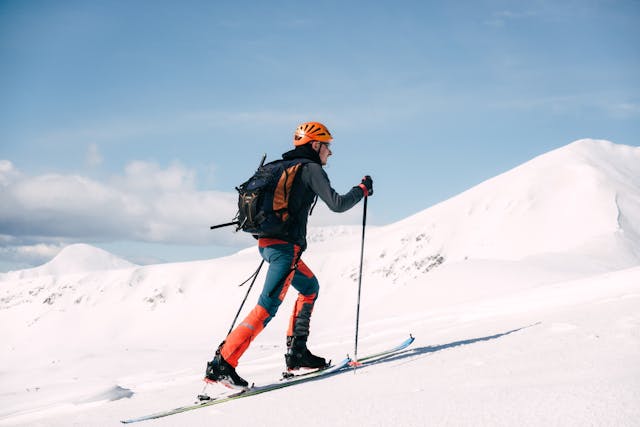
Black Diamond Ascension skins deliver legendary uphill grip, durability, and reliability for serious backcountry skiing.
Black Diamond Ascension skins are high-traction climbing skins designed for backcountry skiing and splitboarding. Known for their durable nylon plush and powerful grip on steep terrain, they are widely trusted by ski tourers who prioritize climbing security over maximum glide.
There’s a strange moment that happens halfway up a mountain when you stop thinking about gear entirely. Your lungs settle into rhythm. Snow squeaks underfoot. The world narrows into breath, slope, and silence.
That moment only happens when your setup disappears beneath you.
And honestly, that’s probably why so many experienced tourers keep circling back to Black Diamond Ascension skins even as lighter, faster, more exotic options flood the market every winter.
I didn’t understand that at first. On paper, Ascension skins can seem old-school. Heavy-ish. Full nylon. Less glide than mohair blends. Not exactly glamorous in a world obsessed with shaving grams.
But mountains have a way of exposing marketing language. Fast.
The deeper I dug into the reputation of Black Diamond Ascension skins, the more I realized they occupy a very specific lane: dependable traction when conditions get ugly, steep, icy, or exhausting. They’re less about elegance and more about trust. And trust matters when a failed traverse means sliding backward across frozen exposure.
That difference changes everything.
What You'll Discover:
What Are Black Diamond Ascension Skins?
Black Diamond Ascension skins are climbing skins designed for alpine touring skis and splitboards. They attach to the base of skis to provide uphill traction while still allowing forward glide.
The defining characteristic is the plush material. Ascension skins use durable nylon fibers rather than lightweight mohair. That single design choice shapes almost everything about their performance.
According to multiple product specifications, the skins feature:
- Durable nylon plush
- STS adjustable tail system
- Adjustable tip loops
- Pre-cut bikini-style tails
- Fixed-length sizing options
- Strong adhesive designed for cold conditions
In simple terms, they’re built to climb confidently.
Not necessarily quickly. Not necessarily lightly.
Confidently.
Why Climbers Still Trust Nylon Skins
This is where things get interesting because modern ski touring culture sometimes treats glide like the holy grail. Mohair blends dominate conversations. Lightweight race skins get romanticized online.
Then somebody ends up breaking trail through wind-loaded powder on a 35-degree skin track.
Suddenly grip matters again.
Nylon Changes the Feel of the Climb
Black Diamond Ascension skins use full nylon construction. Nylon fibers grip snow aggressively, especially on steep terrain or inconsistent surfaces.
That creates a noticeable difference underfoot.
You feel anchored.
There’s less slipping backward. Less micro-correction. Less nervous energy in sketchy switchbacks.
One Reddit user summarized it bluntly:
“Nylon skins are going to grip better and are more durable than a mohair mix skin.”
That sentence captures the entire identity of Ascension skins.
Grip first.
Everything else second.
The Tradeoff Nobody Can Escape
Here’s the contradiction though: better grip often means reduced glide.
That means Ascension skins can feel slower on rolling terrain or long approaches. You may work harder on flatter sections compared to a mohair blend skin.
Some riders love that planted feeling. Others find it tiring.
Neither perspective is wrong.
It depends on where you tour.
A steep Wasatch skin track demands different priorities than mellow spring traverses in the Alps.
The STS Tail System Is Quietly Brilliant
There are flashy gear innovations, and then there are systems that simply refuse to fail for decades.
The STS tail attachment belongs in the second category.
Black Diamond’s patented STS system provides roughly 10 cm of adjustability for different ski lengths and tension preferences.
That sounds minor until you’re transitioning in brutal wind with frozen fingers.
Then simplicity becomes luxury.
Why Tail Clips Matter More Than Beginners Think
Some ultralight skins skip tail clips entirely to save weight.
That works. Until it doesn’t.
A skin peeling during a steep traverse is one of those experiences that permanently rewires your priorities. Suddenly a few extra grams feels like cheap insurance.
One long-term reviewer noted:
“If it gives out on a steep traverse you are screwed.”
That sentence sounds dramatic until you’ve watched a skin fail above consequential terrain.
Ascension skins were built by people who clearly understand that fear.
How Black Diamond Ascension Skins Perform in Real Terrain
Specs only tell half the story. Backcountry gear reveals itself in transitions, storms, frozen glue, awkward kick turns, and exhausted mistakes.
That’s where Ascension skins have earned their reputation.
Steep Terrain Performance
This is the environment where Black Diamond Ascension skins genuinely shine.
The aggressive nylon plush bites into firm snow with impressive authority. On steep climbs, especially with heavy packs or splitboards, that traction reduces energy waste.
You slip less.
That matters more than most people realize.
Every backward slide drains momentum psychologically as much as physically.
According to reviewers, Ascension skins are particularly valued in steep, blown-out skin tracks and variable snow conditions.
Traverses Feel More Secure
Sidehilling exposes weaknesses immediately.
Poor skins chatter sideways. Your uphill ski loses confidence. Ankles fatigue faster.
Ascension skins tend to feel stable here because the plush creates strong lateral grip.
That stability becomes addictive.
You stop thinking about the skins and start focusing on route choices instead.
Durability: The Real Reason Veterans Keep Them
This part surprised me.
Almost every long-term discussion about Black Diamond Ascension skins eventually circles back to durability.
Not excitement.
Not innovation.
Durability.
And honestly, that says something deeper about backcountry culture. Experienced riders eventually stop chasing perfection and start chasing reliability.
Nylon Lasts
Mohair glides beautifully but wears faster. Nylon survives abuse.
Repeated transitions. Wet snow. Dirty parking lots. Spring volcano missions. Tree sap. Neglected storage.
Ascension skins are famously tough.
One reviewer reported using pairs for over five seasons without reglueing.
That longevity matters because climbing skins live rough lives. They’re folded, ripped apart, frozen, stuffed into packs, and dragged across abrasive snow crystals for hundreds of hours.
Gear that survives that punishment earns loyalty.
Glue Performance in Cold Weather
Nobody thinks about skin glue until winter humbles them.
Cold temperatures expose weak adhesives instantly.
Black Diamond’s Gold Label adhesive has developed a reputation for dependable stickiness in harsh conditions. Multiple reviews specifically mention glue longevity and cold-weather reliability.
That reliability becomes especially important during:
- Multi-lap touring days
- Windy ridge transitions
- Deep winter temperatures
- Wet spring snow cycles
- Long expeditions
Because bad glue doesn’t just inconvenience you. It changes risk management.
Sizing Black Diamond Ascension Skins Correctly
Sizing climbing skins feels weirdly intimidating at first. Numbers everywhere. Width calculations. Conflicting advice online.
Thankfully, Ascension skins simplify things more than older trim-to-fit systems.
Available Lengths
Modern Ascension skins are sold in fixed-length ranges including:
- 157–168 cm
- 163–174 cm
- 169–180 cm
- 175–186 cm
- 181–192 cm
Width Considerations
The skins are commonly available at 133 mm width, allowing users to trim them to ski shape.
General rule:
- Cover most of the ski base
- Leave metal edges slightly exposed
- Prioritize coverage underfoot
One review suggested leaving roughly 2 mm of edge exposed for splitboards.
Tiny detail. Big difference.
Black Diamond Ascension Skins vs Mohair Skins
This comparison matters because most buyers eventually land here.
Do you prioritize grip or glide?
There’s no universal answer.
Comparison Table
| Feature | Black Diamond Ascension | Mohair Blend Skins |
| Material | Full nylon | Mohair/nylon blend |
| Uphill Grip | Excellent | Good |
| Glide Efficiency | Moderate | Excellent |
| Durability | Very high | Moderate |
| Weight | Heavier | Lighter |
| Packability | Bulkier | More compact |
| Best For | Steep terrain | Long traverses |
| Cold Weather Reliability | Excellent | Good |
The Emotional Difference Is Real
Mohair skins feel fast and elegant.
Ascension skins feel dependable.
That distinction sounds abstract until you’re exhausted halfway through a storm and your brain quietly starts ranking survival over efficiency.
Suddenly “boring reliability” feels beautiful.
Common Complaints About Black Diamond Ascension Skins
No gear deserves blind worship.
Ascension skins absolutely have weaknesses.
They’re Heavier
There’s no way around this.
Full nylon construction creates bulk and weight. If you obsess over ultralight touring setups, Ascension skins may frustrate you.
Several users describe them as bulky inside jackets during transitions.
Glide Isn’t Elite
Compared to premium mohair options, glide efficiency feels average.
On rolling terrain, this becomes noticeable over long distances.
You’ll work harder.
Some riders accept that trade immediately. Others never do.
The Glue Can Feel Aggressive
Strong glue sounds great until you’re wrestling skins apart in freezing wind.
Historically, some users criticized older cheat sheets and glue management systems, though later versions reportedly improved significantly.
Still, aggressive glue remains part of the identity.
Better too sticky than not sticky enough, many tourers argue.
Who Should Buy Black Diamond Ascension Skins?
This question matters more than specs.
Because the “best” climbing skin depends entirely on personality, terrain, and priorities.
These Skins Make Sense If You:
Ski Steep Terrain Frequently
Ascension skins thrive on steep ascents and icy traverses.
Grip becomes more valuable as slope angle increases.
Prioritize Reliability Over Speed
These are workhorse skins.
Not race skins.
Not minimalist art pieces.
Workhorses.
Tour in Harsh Winter Conditions
Cold weather exposes weak adhesives and delicate materials.
Ascension skins were practically built for ugly winter mornings.
Want Long-Term Durability
If you hate replacing expensive gear every season, nylon skins remain compelling.
These May Not Be Ideal If You:
- Focus on long rolling approaches
- Obsess over ultralight setups
- Prioritize maximum glide efficiency
- Mostly tour mellow terrain
That doesn’t make Ascension skins bad.
It just means personality fit matters.
Caring for Black Diamond Ascension Skins
Skin maintenance feels annoyingly tedious until you realize neglected skins become expensive problems.
Fortunately, basic habits dramatically extend lifespan.
Dry Them Completely
Never store wet skins folded long-term.
Moisture destroys glue performance over time.
Avoid Excessive Heat
Direct heaters and hot car dashboards damage adhesives.
Air dry instead.
Keep Glue Clean
Snow contamination ruins adhesion quickly.
Transition carefully.
Use Storage Sheets
Cheat sheets help preserve glue integrity during long-term storage.
Simple habits. Expensive consequences if ignored.
The Strange Psychology of Trusted Gear
This part is harder to quantify.
Some equipment creates excitement. Other gear creates calm.
Black Diamond Ascension skins belong firmly in the second category.
Nobody brags dramatically about them anymore because they’ve existed long enough to become part of backcountry infrastructure. Like old mountain huts or reliable avalanche forecasts.
They’re familiar.
Predictable.
Unflashy.
And maybe that’s the point.
In a world where outdoor gear marketing constantly screams about revolutionary breakthroughs, Ascension skins quietly continue hauling people uphill through storms, darkness, exhaustion, and winter uncertainty.
There’s something oddly comforting about that.
FAQ About Black Diamond Ascension Skins
Are Black Diamond Ascension skins good for beginners?
Yes. Their strong grip and dependable attachment system make uphill travel feel more secure for newer backcountry skiers.
Do Black Diamond Ascension skins glide well?
They glide adequately, but not as efficiently as mohair or hybrid skins. They prioritize traction over speed.
How long do Black Diamond Ascension skins last?
With proper care, many users report several seasons of heavy use due to the durable nylon construction.
Are Black Diamond Ascension skins waterproof?
They are designed with hydrophobic materials to resist moisture buildup, though no climbing skin is completely waterproof.
What is the STS tail system?
The STS system is Black Diamond’s adjustable tail attachment that helps maintain skin tension and compatibility across ski lengths.
Key Takings
- Black Diamond Ascension skins are designed for uphill grip, durability, and reliability in steep backcountry terrain.
- Full nylon plush construction creates exceptional traction but sacrifices some glide efficiency.
- The STS tail system remains one of the most trusted attachment systems in ski touring.
- Ascension skins perform especially well in icy traverses, cold temperatures, and aggressive skin tracks.
- They are heavier and bulkier than lightweight mohair alternatives, but many riders accept that tradeoff.
- Long-term durability is one of the strongest reasons experienced tourers continue using Black Diamond Ascension skins.
- These skins reward skiers who prioritize confidence and climbing security over ultralight speed.