
Every ecommerce brand knows product photography costs money. Far fewer know what bad product photography costs them, because that number never lands on an invoice.
The price of a shoot is visible. The price of a poor shoot – lost clicks, higher returns, weaker marketplace ranking, eroded trust – is scattered across metrics that brands track separately and rarely trace back to the images that caused them. That disconnection is expensive. When a shopper decides in a few seconds whether to tap a thumbnail on Amazon, Shopee or Lazada, the quality of that one image is doing commercial work most brands never measure.
After a decade producing product photography in Singapore for global beauty, fashion and consumer-goods brands selling across Southeast Asia, we have had enough conversations about the return on photography to see the pattern. Brands undercount what weak images cost, and the ones who count properly almost always conclude that photography is a lever, not a line item to shrink.
What You'll Discover:
Why The Usual Calculation Is Wrong
The standard logic runs like this: a shoot costs X, each product earns margin Y, so the shoot pays for itself after Z units. Everything past Z is profit, and the photography is justified.
That misses in both directions. It undercounts good photography by treating it as a one-off for a single selling season, when a listing’s images serve every buyer who sees it for as long as the listing is live. And it undercounts bad photography by ignoring the costs that surface elsewhere – in returns, review scores and ranking – rather than in the photography budget.
The better question is this: what does it cost to run this listing, across its whole life, with images that sit below what buyers in the category now expect – measured in click-through, conversion, returns and ranking together? Answer that honestly, pulling numbers from returns, customer service and marketplace analytics at the same time, and the case for spending more on photography usually makes itself.
Where The Cost Actually Shows Up
Poor images cost you in three places. Each is worth understanding on its own. Together they compound.
Click-through comes first. The thumbnail is often the only thing a shopper sees before deciding whether to click. A dark, soft or badly framed image loses that click to the sharper listing beside it – and a lost click is a buyer who never reached your price, your description or your reviews. This runs across every impression the listing earns, not only the ones that would have converted. Lift the click-through rate, which correctly formatted professional images reliably do, and the gain compounds across all of them.
Returns come second. In beauty, fashion and electronics – categories that consistently see the highest return rates – a gap between the listing image and the product in hand is a leading reason people send things back. Someone orders a foundation from its photo, receives what reads as a different shade, returns it, and leaves a review explaining why. That review then shapes the next buyer’s decision. The photography choice behind the mismatch almost never gets named as the cause in any internal review.
Marketplace ranking comes third, and it is the least understood. Search algorithms on Amazon, Shopee and Lazada reward commercial success. A listing with strong click-through and low returns earns better placement, which brings more traffic and sales, which earns better placement again. Weak click-through and high returns run the same loop in reverse. So the image you pick at launch carries a ranking consequence that lasts the life of the listing – and paid spend alone cannot fully offset a listing the algorithm has decided to bury.
White Backgrounds And Resolution: What Is Actually True
Two technical points get repeated online with more confidence than they deserve, so here is the accurate version, because getting them wrong is how a well-argued piece loses a reader who knows the platforms.
Amazon requires a pure white background on the main image. It is a listing policy, and non-compliant images can be suppressed from search – a real commercial penalty, though not the same thing as a ranking boost. Shopee and Lazada do not mandate white, and there is no good evidence they rank white backgrounds higher by default. What helps everywhere is contrast and clarity: a clean, high-contrast thumbnail earns more clicks at small sizes, and click-through does feed ranking. The practical advice lands in the same place – a crisp, uncluttered main image wins – but for the honest reason.
Resolution matters for the zoom shoppers use before buying, especially on mobile. Marketplace minimums are modest, often only a few hundred pixels on the shorter edge. Images built well above that, comfortably into the low thousands of pixels on the long edge, hold up when a buyer pinches in to inspect texture or finish. Shoot to the minimum and the zoom turns to mush, and that lost sale never appears in analytics labelled “low resolution.” It just disappears into the bounce rate.
What The Market Expects Now
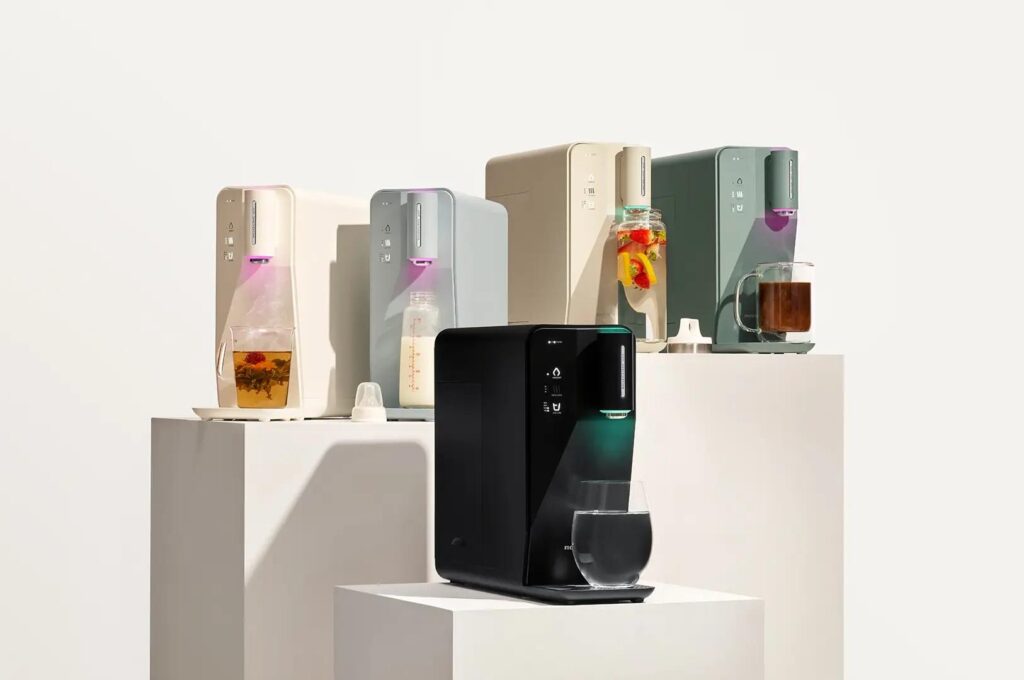
Marketplace listings in competitive categories have levelled up over the past three years. The top beauty, fashion and electronics listings are clearly produced with real investment: clean main images, resolutions that survive zoom, and full secondary sets covering angles, detail, lifestyle and feature callouts. For any brand competing in those categories, that standard is the floor, not the ceiling.
A listing below that floor sends a specific message to buyers who have already seen the category leaders – that this brand either did not notice the gap or decided it did not matter. Neither supports a premium price or a repeat customer. And if your listing images have not been refreshed since you first went live, you may be sitting well under the current standard without knowing it. The quickest way to find out is to line your listings up against the top competitors in your category and look honestly at the difference.
Photography As Infrastructure, Not Expense
The case for professional images is usually framed around the first sale – the buyer who sees the photo and buys. That undersells it. A listing image serves every buyer across the listing’s whole life. Amortise a shoot across every impression, click and repeat purchase over an eighteen-month listing, and the per-sale cost is often smaller than the margin lost on a single return caused by a misleading image.
The brands that understand this treat photography as infrastructure that supports the whole listing, not a cost that produces one output. That reframes the budget question from “how little can we get away with?” to “what level of imagery fully supports the return we expect from this product?” And when budgets are tight, the move is not to thin out quality across the whole catalogue. It is to fund proper photography for the hero SKUs and category entry points first, then let their results make the case for the rest.
What Good Photography Returns
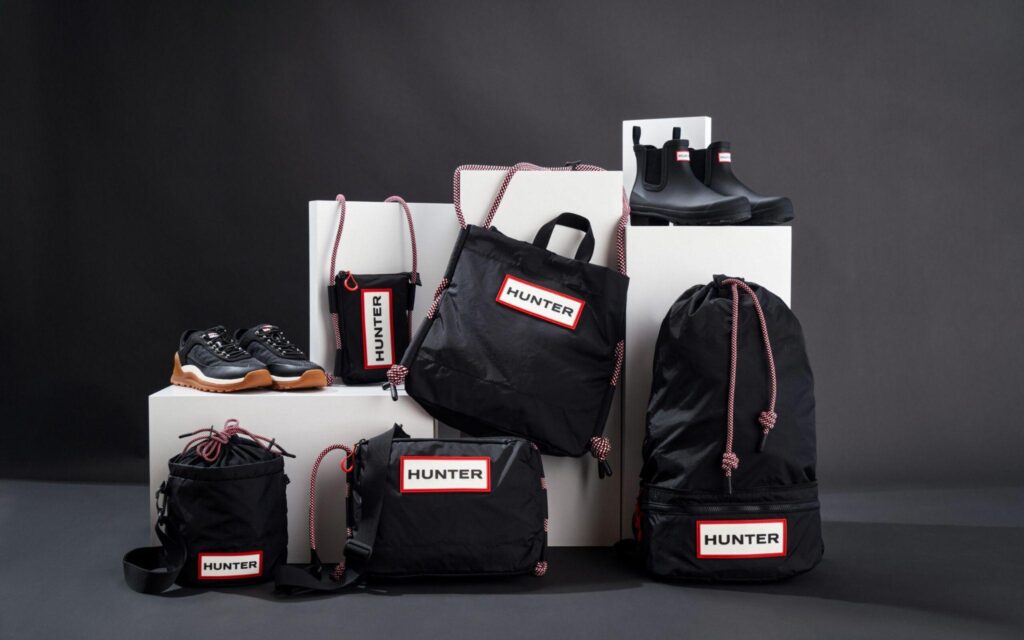
The whole argument reduces to outcomes a brand can measure against its own economics. Higher click-through from search, driven by thumbnails that beat competitors at small sizes. Fewer returns, from images that represent colour, texture and finish accurately. Better ranking, from the engagement and low-return signals that follow. Stronger trust and repeat purchase, from buyers whose product matches what the image promised. And lower ad spend per customer, as organic ranking reduces the need to pay for placement.
None of this is exotic. It just requires counting every cost of poor photography, not only the one printed on the shoot invoice.
Frequently Asked Questions
How should I work out the ROI on a shoot?
Don’t judge photography in isolation. Take the listing’s click-through from search, its visit-to-purchase conversion, its return rate and its ranking position before and after new images. Value the improvement in each across the listing’s expected life. That combined figure – not the first month’s sales – is the real return, and it usually clears the cost of the shoot comfortably.
What actually makes a main image perform?
Clarity and contrast at thumbnail size, a background that meets each platform’s rules (pure white where the platform requires it), resolution that survives zoom on mobile, and a complete secondary set covering angles, a detail shot, a lifestyle frame and a feature callout. Listing video adds a further edge on Shopee and Lazada.
When is it worth reshooting existing listings?
When click-through sits below the category average for your price tier, when a product’s return rate runs high against similar items, or when a side-by-side against the category leaders shows a clear quality gap. Any one of those usually pays back the reshoot.
What is the most common mistake?
Shooting to the platform minimum on resolution, so the image looks fine on a desktop but falls apart when a mobile buyer zooms in – and treating the main image as decoration rather than the highest-leverage sales asset on the page.
GradePixel is a commercial photography studio in Singapore, producing ecommerce, catalogue and campaign imagery for brands across Southeast Asia. Our clients include L’Oréal, Sephora, Nestlé, Unilever, FairPrice, Under Armour, Levi’s, New Balance and Singapore Airlines. To discuss a shoot, visit GradePixel’s website.