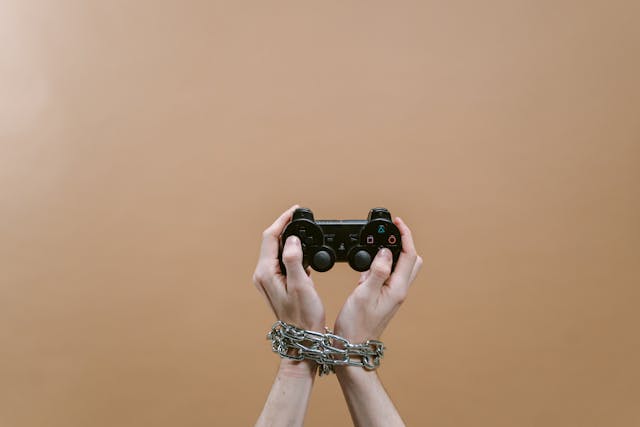
Discover how online games improve focus, memory, decision-making, and emotional well-being through interactive play for all ages.
Online games have become much more than a form of digital entertainment. Today, they are part of everyday life for millions of people who use them to relax, communicate, compete, and challenge themselves mentally. While gaming is still sometimes viewed as a distraction, a more balanced perspective shows that online games can bring real cognitive, emotional, and social benefits when enjoyed responsibly.
Modern online games are interactive, dynamic, and often highly strategic. They require players to make decisions, analyze information, remember details, and respond to changing situations in real time. This active involvement makes gaming very different from passive entertainment. Instead of simply watching or consuming content, players participate, think, react, and adapt.
What You'll Discover:
Online Games Stimulate Brain Activity
One of the main reasons online games can be beneficial is that they keep the brain actively engaged. Many games require players to process visual information, follow rules, track progress, and respond quickly to new challenges. This combination activates several cognitive functions at once.
Online games can support:
- Attention and focus
- Memory
- Strategic thinking
- Reaction speed
- Problem-solving
- Multitasking
- Hand-eye coordination
For example, in fast-paced games, players need to notice small changes on the screen and react immediately. In strategy games, they need to plan ahead, evaluate risks, and predict what other players might do next. In card-based or probability-driven games, players often rely on logic, pattern recognition, and decision-making under pressure.
This kind of mental activity helps train the brain to stay flexible and responsive.
Games Improve Problem-Solving Skills
Online games constantly present players with challenges. Some are simple and immediate, while others require long-term planning and careful decision-making. To progress, players often need to test different approaches, learn from mistakes, and adjust their strategies.
This process naturally develops problem-solving skills. Players learn to ask themselves questions such as: What is the best move now? What could happen next? Which option carries the lowest risk? How can I recover from a mistake?
These skills are not limited to the game environment. The ability to analyze a situation, make decisions with limited information, and adapt quickly is useful in work, education, and everyday life.
Competitive games are especially effective in this area because they create unpredictable situations. No two opponents behave exactly the same way, which means players must stay alert and flexible.
Online Games Support Memory and Concentration
Many online games require players to remember rules, maps, combinations, character abilities, patterns, or previous actions. This repeated use of memory can strengthen both short-term and working memory.
Concentration is also essential. In many games, losing focus for even a few seconds can affect the result. Players need to follow several elements at once, such as timing, opponents’ actions, available resources, and changing objectives.
Card games and poker-inspired formats are good examples of games that require sustained attention. Players need to observe patterns, calculate probabilities, manage risks, and make decisions based on incomplete information. Formats like Spins Poker Software add a fast and engaging structure that encourages quick thinking and active participation.
This type of gameplay keeps the mind involved and encourages players to remain focused throughout each session.
Gaming Can Improve Mental Flexibility
Mental flexibility is the ability to switch between tasks, adapt to new information, and change strategies when needed. Online games are excellent environments for developing this skill because they are constantly changing.
A player may begin with one plan, but the situation can shift within seconds. An opponent may make an unexpected move, a new challenge may appear, or the game may introduce a different condition. To succeed, players must respond quickly and adjust their approach.
This helps train the brain to become more adaptable. Instead of relying on one fixed solution, players learn to compare options, think creatively, and respond to uncertainty.
In real life, this ability is valuable in many areas, from managing work tasks to solving personal challenges.
Multiplayer Games Develop Social Skills
A common stereotype suggests that gaming is an isolating activity. In reality, many online games are highly social. Multiplayer games connect people from different cities, countries, and cultures, allowing them to communicate and cooperate in real time.
Players often need to discuss strategies, divide roles, support teammates, and work toward shared goals. This can help develop important social skills, including:
- Communication
- Teamwork
- Leadership
- Patience
- Emotional control
- Conflict resolution
For many people, gaming communities become meaningful social spaces. They provide opportunities to meet others with similar interests, build friendships, and feel part of a group.
This is especially important in a digital world where online interaction has become a normal part of everyday communication.
Online Games Help Reduce Stress
Gaming can also support emotional well-being. After a busy day, online games offer a way to relax, shift attention, and enjoy a sense of progress or achievement. For many players, games provide a healthy mental break from work, study, or daily responsibilities.
The immersive nature of gaming helps people focus on the present moment. Instead of thinking about stress or routine problems, the player becomes engaged in a structured and enjoyable activity.
Different types of games can support different emotional needs. Casual games may help people relax. Strategy games may provide intellectual satisfaction. Competitive games may create excitement and motivation. Social games may offer connection and communication.
When balanced with other activities, gaming can become part of a healthy relaxation routine.
Games Encourage Motivation and Persistence
Another benefit of online games is that they often teach persistence. Players rarely succeed immediately. They fail, try again, improve, and eventually progress. This cycle can build patience and resilience.
Games are designed around goals, rewards, and feedback. Players can see their improvement clearly, whether through higher scores, better rankings, unlocked features, or stronger performance. This creates motivation to keep learning and improving.
This structure can be useful because it teaches people that progress often comes through practice. The habit of analyzing mistakes and trying again can be valuable far beyond gaming.
Technology Makes Gaming More Engaging
The online gaming industry continues to evolve quickly. Modern platforms use advanced design, real-time multiplayer systems, improved user interfaces, and smarter engagement mechanics to create richer experiences.
Companies such as Evenbetgaming contribute to this development by creating online gaming solutions that combine technology, interaction, and entertainment. As games become more advanced, they also become more capable of stimulating cognitive activity and supporting meaningful user engagement.
This is one reason why game-based mechanics are now used outside entertainment as well. Education, corporate training, fitness apps, and productivity tools often use gamification to increase motivation and improve learning.
The reason is simple: interactive experiences make people more engaged.
Balance Is Essential
Although online games can offer many benefits, moderation is important. Too much gaming can negatively affect sleep, productivity, physical activity, and offline relationships. The positive effects of gaming are strongest when it is part of a balanced lifestyle.
Healthy gaming habits include taking regular breaks, setting time limits when needed, staying physically active, maintaining social relationships outside games, and prioritizing sleep.
Gaming should support well-being, not replace other important parts of life.
Conclusion
Online games can be good for brain activity and overall well-being when played responsibly. They stimulate attention, memory, strategic thinking, reaction speed, and problem-solving skills. They can also support social interaction, reduce stress, and encourage persistence.
Modern online games are active, interactive experiences that challenge the brain in many different ways. They require players to think, adapt, communicate, and make decisions under changing conditions.
When balanced with a healthy lifestyle, online gaming can be much more than entertainment. It can become a valuable activity that supports mental agility, emotional relaxation, and social connection.