Unsure when to switch puppy to adult food? Learn the right age, signs, and safe steps to support healthy growth.
Most puppies switch to adult food between 12–24 months, depending on breed size. Small breeds mature faster; large breeds need puppy food longer. The right time is when growth slows and your vet agrees.
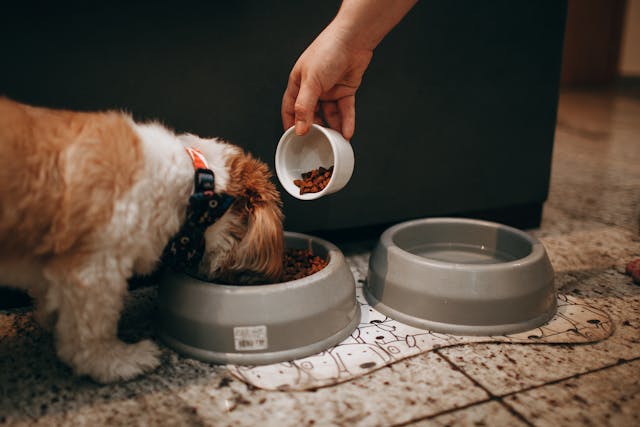
I still remember the morning I stared at my puppy’s food bowl like it held some big life decision. He was chewing with that wild, joyful focus only puppies have, and I caught myself wondering, is this still the right food for him?
Nobody really tells you how strange it feels to be responsible for someone else’s growth. One day they’re tripping over their own paws. The next, they look… almost like a dog.
That’s when the question sneaks in: when to switch puppy to adult food?
I expected a clear date, like a birthday milestone. Instead, I found a maze of opinions, breed charts, and half-answers. So I started digging, asking vets, reading labels, watching my dog more closely than ever.
What I discovered is simpler than it first appears, but also more personal. Because your puppy isn’t a calendar. They’re a growing body with its own rhythm.
Let’s walk through this together.
What You'll Discover:
Understanding Puppy vs. Adult Dog Food
Puppy Food Is Built for Construction Mode
When figuring out when to switch puppy to adult food, it helps to know why puppy food exists in the first place.
Puppy food is basically fuel for building a body from scratch. It contains:
- Higher calories
- More protein
- Extra fat
- Balanced calcium & phosphorus for bones
Think of it like a construction site diet. Muscles, bones, brain, everything is under development.
Quotable fact: “Puppy formulas are designed to support rapid growth and development during the first year of life.”
That extra nutrition isn’t just helpful. It’s necessary.
Adult Dog Food Is for Maintenance Mode
Adult food shifts from building to maintaining. The calorie density drops. Nutrient levels stabilize.
Feeding adult food too early is like stopping construction mid-project. Feeding puppy food too long is like overfilling a gas tank.
Both can cause issues.
The goal is timing the transition when growth naturally slows.
The Real Answer: It Depends on Size
The biggest factor in deciding when to switch puppy to adult food is breed size.
Not age alone. Not weight alone. Size category.
Because growth timelines vary wildly.
Small Breeds (Under 20 lbs adult weight)
Switch around 9–12 months.
Small dogs grow fast and finish early. Their puppy phase is like a sprint.
Examples:
- Chihuahuas
- Pomeranians
- Toy Poodles
By their first birthday, most are nutritionally ready for adult food.
Medium Breeds (20–50 lbs)
Switch around 12 months.
They follow the “average” puppy timeline most people expect.
Examples:
- Beagles
- Cocker Spaniels
- Border Collies
At one year, many are ready, but energy levels and body condition still matter.
Large & Giant Breeds (50+ lbs)
This is where patience matters.
Switch between 18–24 months.
Large breeds grow slowly but for longer. Their bones and joints need carefully controlled nutrition.
Examples:
- German Shepherds
- Golden Retrievers
- Great Danes
- Mastiffs
Switching too early can affect skeletal development.
Quotable fact: “Large-breed puppies should remain on growth formulas longer to support joint and bone health.”
Signs Your Puppy Might Be Ready
Sometimes your dog tells you before the calendar does.
Growth Has Slowed
If your puppy isn’t shooting up in size anymore, that’s a clue.
Rapid growth = puppy food Steady size = maybe time to switch
Appetite Changes
Many owners notice their puppy suddenly seems less hungry.
Not picky, just not burning calories like before.
Weight Gain on Puppy Food
If your pup is getting chubby despite normal portions, puppy food may now be too rich.
Extra calories add up fast.
Vet Confirmation
The simplest checkpoint.
A quick vet visit can confirm growth stage and body condition.
Sometimes we overthink what professionals can answer in minutes.
What Happens If You Switch Too Early?
I used to think it wouldn’t matter much. Food is food, right?
Not quite.
Switching too early can lead to:
- Nutrient deficiencies
- Slower development
- Lower energy levels
Your puppy might look fine, but internal growth could lag.
What Happens If You Switch Too Late?
This one surprised me more.
Too much puppy food can cause:
- Excess weight gain
- Joint stress
- Higher risk of obesity
Especially in large breeds.
More nutrients isn’t always better. Sometimes it’s just… more.
How to Transition Smoothly
When the time comes, don’t flip the bowl overnight.
Dogs like consistency. Their stomachs do too.
The 7–10 Day Transition Plan
Day 1–3 75% puppy food 25% adult food
Day 4–6 50% puppy 50% adult
Day 7–9 25% puppy 75% adult
Day 10 100% adult food
Slow transitions reduce stomach upset and diarrhea.
Your carpet will thank you.
Choosing the Right Adult Food
Not all adult food is equal.
Look for:
- AAFCO approval
- Real protein source first
- Appropriate calorie level
- Breed-size suitability
Fancy marketing matters less than balanced nutrition.
Quotable fact: “AAFCO-approved foods meet minimum nutritional standards for dogs.”
The Emotional Side No One Talks About
Switching food felt oddly symbolic to me.
Like admitting my puppy wasn’t a baby anymore.
There’s a quiet nostalgia in retiring the “puppy” label. You notice they’re calmer. Smarter. More independent.
The food switch becomes a milestone you didn’t expect to feel.
Maybe that’s part of caring for a dog, learning to let them grow up.
Comparison Table: Puppy vs. Adult Dog Food
| Feature | Puppy Food | Adult Food |
|---|---|---|
| Calories | Higher | Moderate |
| Protein | Higher | Balanced |
| Fat | Higher | Controlled |
| Purpose | Growth | Maintenance |
| Feeding Duration | 9–24 months | Lifelong |
| Risk if Overfed | Weight gain | Less common |
Common Mistakes Owners Make
Switching Based on Age Alone
Breed size matters more than birthdays.
Following Generic Bag Instructions
Food bags give general guidance. Your dog is an individual.
Ignoring Body Condition
A healthy dog has a visible waist and ribs you can feel but not see.
Sudden Food Changes
Fast switches often equal upset stomachs.
Slow is kind.
FAQ’s
When to switch puppy to adult food for small breeds?
Usually between 9–12 months when growth slows and adult size is nearly reached.
When to switch puppy to adult food for large breeds?
Between 18–24 months to support joint and bone development.
Can I mix puppy and adult food long-term?
It’s safe short-term during transition, but long-term mixing can unbalance nutrition.
What if my puppy refuses adult food?
Try gradual mixing, warming the food slightly, or switching protein flavors.
Should I ask my vet first?
Yes. A vet can confirm readiness based on growth and body condition.
Key Takings
- When to switch puppy to adult food depends mostly on breed size.
- Small breeds switch earlier; large breeds need more time.
- Growth rate matters more than age alone.
- Transition slowly over 7–10 days.
- Too-early or too-late switching can cause health issues.
- Vet guidance removes guesswork.
- The switch is a milestone, not just a diet change.
Additional Resources:
- Puppy Feeding Fundamentals: Clear guidance on puppy nutrition, feeding schedules, and growth stages from a trusted canine authority.
- WSAVA Global Nutrition Guidelines: Science-based pet nutrition recommendations used by veterinarians worldwide.