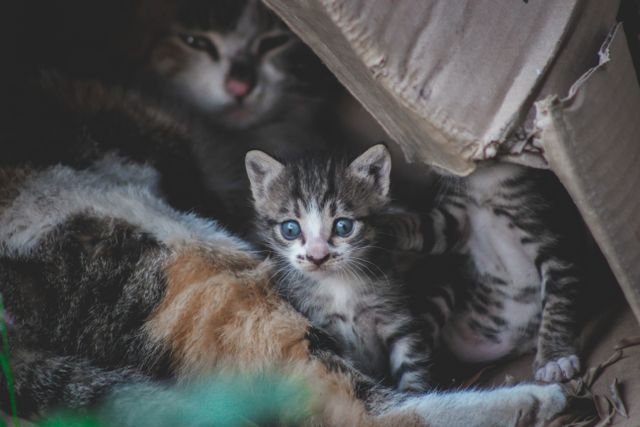
How often do kittens poop? Learn what’s normal by age, what kitten poop should look like, and when to call a vet.
How often do kittens poop? Most weaned kittens poop about once to several times a day, with younger kittens often going more frequently. A 4-week-old kitten may have 2–3 bowel movements in 24 hours, while frequency can settle to around 1–2 times daily as kittens mature.
The number matters, but consistency, ease of passing stool, appetite, energy, and hydration matter just as much. A kitten that suddenly stops pooping, repeatedly strains, develops watery diarrhea, or seems sick deserves veterinary attention.
What You'll Discover:
Why Kitten Poop Frequency Changes So Much
If you’re watching a kitten’s litter box and wondering whether today’s number is normal, you’re not alone. Kitten bowel habits change rapidly because their diet, digestive system, feeding schedule, and independence are all developing at the same time.
A useful rule is to think of poop frequency as a range rather than a target. A healthy kitten doesn’t have to produce exactly two perfectly timed bowel movements every day.
Diet is one of the biggest influences. Milk-fed kittens, kittens transitioning to solid food, and fully weaned kittens can have noticeably different bathroom patterns.
Stress can change things too. A kitten arriving in a new home may temporarily poop less often, while a sudden food change can produce softer or more frequent stools.
There is no single “correct” number of bowel movements for every kitten.
What matters most is whether the kitten’s pattern is normal for that individual and whether the stool is easy to pass and reasonably well formed.
How Often Do Kittens Poop by Age?
Age provides a much better starting point than simply counting litter-box visits.
| Kitten age | What you may typically see | Important consideration |
| 0–3 weeks | Stool is produced with maternal or caregiver stimulation | Very young kittens cannot reliably eliminate on their own |
| 3–4 weeks | Increasingly independent elimination | Weaning and litter-box learning begin |
| Around 4 weeks | Often around 2–3 bowel movements daily | Diet is beginning to shift toward solid food |
| 8 weeks | Often 1–2+ times daily, with individual variation | Fully weaned kittens may have a more predictable routine |
| 3–6 months | Commonly around 1–3 times daily | Diet, meal frequency, activity, and health influence frequency |
These figures are guidelines, not medical thresholds. Veterinary guidance for 4-week-old kittens commonly gives 2–3 bowel movements per day, while a veterinary answer for a 4-month-old kitten describes 2–3 daily bowel movements as possible, with once daily not necessarily concerning if the kitten is eating and comfortable.
Newborn kittens are different
The youngest kittens are a special case.
Kittens generally cannot urinate or defecate independently during their first few weeks of life. Their mother stimulates elimination, and orphaned kittens require a caregiver to gently stimulate the genital and anal area with a warm, moist cloth after feeding. Veterinary sources place independent elimination at roughly 3–4 weeks of age.
So if a two-week-old orphaned kitten isn’t producing stool in a litter box, that’s not a litter-training problem. It is a developmental issue that requires appropriate neonatal care.
What Should Healthy Kitten Poop Look Like?
Frequency is only half the story. The appearance of the stool can tell you more than the number of times your kitten visits the box.
Healthy kitten feces should generally be formed and moist rather than rock-hard, watery, or covered in obvious mucus or blood. Stool can vary somewhat with age and diet, so don’t expect every bowel movement to look identical.
A kitten that produces a small, formed stool without straining is very different from one that repeatedly squats, cries, and produces only tiny dry pellets.
A simple stool check
When cleaning the litter box, look for four things:
- Shape: formed rather than completely liquid
- Texture: reasonably soft but not watery
- Color: broadly consistent with what your kitten normally produces
- Ease: passed without obvious pain or prolonged straining
A sudden change is usually more informative than a single unusual bowel movement.
Why Your Kitten Might Poop More Often
A kitten that poops several times a day isn’t automatically sick.
Young kittens eat frequently and have rapidly changing nutritional needs. Their digestive systems are also still developing, so a kitten may naturally have more frequent bowel movements than an adult cat.
Food changes can increase stool frequency as well. Sudden dietary changes, inappropriate human foods, or feeding mistakes can contribute to diarrhea or softer stools.
Parasites are another important possibility, particularly in young kittens. Intestinal parasites can cause diarrhea, constipation, vomiting, poor appetite, abdominal enlargement, or other signs of illness, and kittens can acquire some parasites from their environment or their mother.
Frequent poop isn’t necessarily the problem; frequent watery poop can be.
That’s an important distinction. A playful kitten eating normally and producing several formed stools is a very different situation from a kitten passing repeated watery diarrhea.
Why Your Kitten Might Not Be Pooping
The opposite situation can be more worrying.
If your kitten hasn’t produced stool, first consider the basics: When did they last poop? Are they eating? Drinking? Acting normally? Are they trying to poop without success?
A newly adopted kitten may temporarily have a disrupted routine because of environmental stress. Changes in food, water intake, and feeding patterns can also affect bowel movements.
But persistent absence of stool becomes more concerning when it is accompanied by straining or illness.
Signs of constipation
Watch for:
- Repeated straining in the litter box
- Crying or obvious discomfort while trying to defecate
- Small, hard, dry pieces of stool
- A swollen or uncomfortable abdomen
- Reduced appetite
- Vomiting
- Lethargy or weakness
Constipation means more than simply “I didn’t see poop today.” Cornell University describes it as infrequent or difficult passage of hard, dry feces, and emphasizes that untreated constipation can become more serious.
For kittens, veterinary assessment is especially important because they are small and can deteriorate faster than healthy adult cats.
When Should You Call a Veterinarian?
There’s a big difference between monitoring a kitten for a short period and waiting several days while obvious symptoms develop.
Contact a veterinarian promptly if your kitten is repeatedly straining, appears painful, has a swollen abdomen, stops eating, vomits, becomes lethargic, or isn’t producing stool despite trying.
PetMD advises veterinary attention for kittens that have not defecated for 24–48 hours, particularly when constipation signs are present, and notes that severe untreated constipation can progress to serious complications.
Diarrhea also deserves extra caution in kittens because they can become dehydrated quickly. PetMD recommends prompt veterinary care for kittens under four months experiencing diarrhea, and immediate assessment when diarrhea is accompanied by vomiting, lethargy, poor appetite, blood, or suspected ingestion of a foreign object or toxin.
A practical decision guide
Your kitten poops normally and acts normally:
Keep monitoring the usual pattern.
Your kitten poops less often but eats, drinks, plays, and isn’t straining:
Monitor closely and consider contacting your veterinarian if the change persists.
Your kitten strains, cries, vomits, stops eating, or has a swollen abdomen:
Contact a veterinarian promptly rather than trying increasingly aggressive home remedies.
Your young kitten has watery diarrhea, blood in the stool, or seems weak or lethargic:
Seek veterinary care promptly.
What Can You Do to Support Normal Bowel Movements?
For a healthy, weaned kitten, the basics are surprisingly effective.
Feed a complete and balanced kitten diet appropriate for growth, keep fresh water available, and avoid making abrupt food changes unless your veterinarian recommends one. ASPCA notes that kittens need appropriately balanced nutrition for their life stage and that fresh, clean water should always be available.
If your kitten is still being bottle-fed, use a commercial kitten milk replacer rather than cow’s milk. ASPCA specifically warns that cow’s milk can cause stomach upset and diarrhea in some kittens.
For orphaned neonatal kittens, elimination care is different. Follow instructions from a veterinarian or experienced neonatal-kitten program rather than improvising with laxatives, enemas, oils, or human medications.
Don’t try to force a bowel movement
This is one area where internet advice can become risky.
A kitten that is constipated may have an underlying problem such as dehydration, parasites, inappropriate feeding, or an intestinal obstruction. Cornell lists foreign-body obstruction and other medical conditions among potential contributors to feline constipation.
That means the goal isn’t simply to “make the kitten poop.” The goal is to identify why the kitten isn’t passing stool normally.
Don’t Confuse Pooping Problems With Urinary Problems
One surprisingly important detail: a kitten squatting repeatedly in the litter box may not be trying to poop.
Owners sometimes interpret straining as constipation when the kitten is actually having difficulty urinating. Frequent attempts to urinate, producing only tiny amounts of urine, crying in the box, or producing no urine can indicate a urinary problem.
Urinary obstruction is an emergency, particularly in male cats. If you’re unsure whether your kitten is trying to urinate or defecate, treat unexplained repeated straining seriously and contact a veterinarian.
How the Litter Box Helps You Monitor Health
The litter box is basically a tiny health-monitoring station.
Scoop it regularly so you can recognize your kitten’s normal pattern. If several cats share a box, identifying which kitten produced a particular stool can become surprisingly difficult, so individual boxes or temporary separation can make monitoring much easier.
ASPCA recommends providing one litter box per cat plus one extra and keeping boxes clean, accessible, and in locations where cats feel comfortable.
For a kitten, a low-sided box is often easier to enter. Keep it somewhere quiet and accessible, and avoid placing food and water directly beside the litter box.
Common Myths About Kitten Poop
“A kitten has to poop exactly once a day.”
Not necessarily. Healthy kittens can poop more frequently, and individual patterns vary with age, diet, and feeding schedule.
“If my kitten hasn’t pooped today, they’re definitely constipated.”
Not automatically. A short-term change without straining or other symptoms can happen, especially around adoption, stress, or dietary changes. Persistent lack of stool or signs of discomfort are much more concerning.
“Diarrhea is normal because kittens have sensitive stomachs.”
A mild soft stool can happen, but persistent or watery diarrhea shouldn’t simply be dismissed. Kittens can become dehydrated and malnourished quickly, and parasites and infections are among the possible causes.
“I should give my kitten a laxative if they don’t poop.”
Don’t give human medications or home constipation treatments without veterinary guidance. The correct treatment depends on the cause, and an obstruction or significant illness needs a different approach from uncomplicated constipation.
Frequently Asked Questions
How often should a 4-week-old kitten poop?
A 4-week-old kitten may poop around 2–3 times in 24 hours, although individual variation is normal. At this age, kittens are also beginning the transition toward solid food and independent elimination.
How often should an 8-week-old kitten poop?
Many fully weaned kittens poop once or twice a day, although some may go more often. Diet, meal frequency, activity, stress, and individual digestive patterns all influence frequency.
Is it normal for a kitten to poop three times a day?
Yes. Three formed bowel movements can be normal for a kitten, particularly a young kitten eating several meals a day. The kitten should otherwise be eating, drinking, playing, and passing stool without obvious discomfort.
How long can a kitten go without pooping?
A kitten that hasn’t defecated for about 24 hours deserves close attention, especially if it is very young. If there is straining, pain, vomiting, poor appetite, lethargy, abdominal swelling, or continued lack of stool, contact a veterinarian rather than waiting.
What does unhealthy kitten poop look like?
Warning signs include repeated watery diarrhea, blood, substantial mucus, very hard and dry stool, or a sudden persistent change from the kitten’s normal pattern. Abnormal stool becomes more concerning when paired with vomiting, poor appetite, dehydration, lethargy, or pain.
Key Takeaways
- How often do kittens poop? Generally, kittens poop anywhere from once to several times daily, depending heavily on age, diet, and individual routine.
- Around 4 weeks old, 2–3 bowel movements per day can be typical.
- By the time kittens are weaned, once or twice daily is common, but some healthy kittens go more often.
- Stool quality and ease of passing it are just as important as frequency.
- Watery diarrhea can dehydrate kittens quickly, so young kittens with diarrhea should be assessed promptly.
- Straining, vomiting, lethargy, abdominal swelling, poor appetite, or prolonged lack of stool are reasons to contact a veterinarian.
- For newborn orphaned kittens, elimination requires gentle stimulation until they can go independently at roughly 3–4 weeks.
Additional Resources
- Cornell Feline Health Center: Constipation: A veterinary reference explaining constipation, potential causes, complications, and treatment considerations in cats.