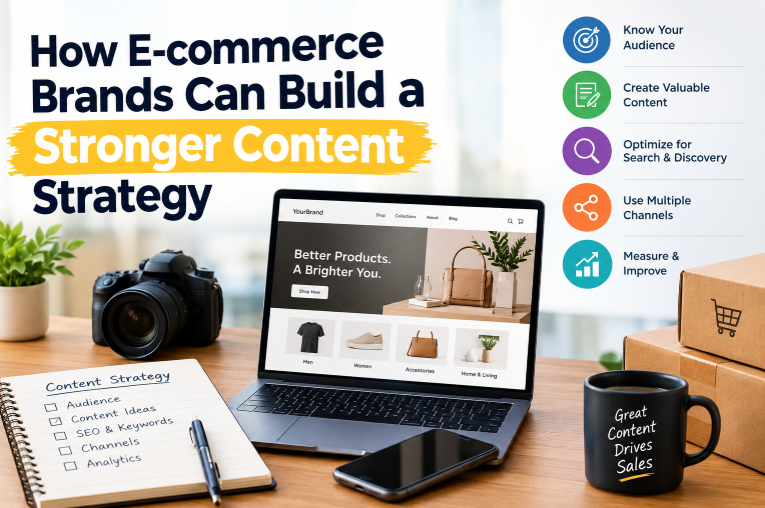
Running an online shop involves more than choosing products and keeping stock up to date. Customers need useful information before they buy, and search engines need clear signals about what a business offers. A thoughtful content strategy can help with both, but it takes planning: the right topics, reliable writers and realistic ways to measure results.
For small retailers in particular, content can feel like one more job competing with fulfilment, customer service and marketing. Breaking it into manageable steps makes it easier to maintain quality without turning every product launch into a major campaign.
What You'll Discover:
What You’ll Discover
- How to choose content topics with a purpose
- Why useful publishing opportunities matter
- How to work with freelance support
- Ways to measure whether content is helping
Start With the Questions Customers Ask
Good e-commerce content begins with the customer, not a list of keywords. Think about what shoppers need to know before they feel confident placing an order. They may be comparing materials, checking sizing, learning how to care for a product or trying to decide whether one option suits their needs better than another.
These questions can shape product guides, comparison articles, buying advice and frequently asked questions. For example, a shop selling outdoor equipment might explain how to choose a sleeping bag for different temperatures. A homeware retailer could offer practical guidance on selecting cookware for a particular hob. The subject should connect naturally to the products, while still being useful to someone who has not decided what to buy.
Before commissioning a piece, write down its intended reader and purpose. Is it meant to answer a common question, introduce a category or help someone compare options? A clear purpose helps prevent content that is polished but disconnected from the customer journey.
Make Publishing Opportunities Relevant
Brands sometimes publish beyond their own websites to reach readers who already follow a related publication. A useful guest article can introduce a business to a new audience, while a relevant link may help interested readers find further information. The important word is relevant: a placement is not valuable simply because a site reports high traffic or authority.
Review the publication’s subject, audience and editorial standards before approaching it. Look at the recent articles, consider whether the readership overlaps with your customers, and ask whether your proposed topic would make sense on that site even without a link. A contribution that feels out of place is unlikely to build trust.
Retailers comparing possible outlets can use an e-commerce publishing directory as a starting point. Treat any listing as a shortlist rather than a verdict: check the individual site, its content and its audience before committing time or budget. Avoid making ranking promises around backlinks; search performance depends on many factors, and editorial fit should come first.
Use Freelancers Where They Add Capacity
A small team may not have the time or specialist skills to handle every part of content production. Freelancers can help with research, writing, graphic design, photography, video or technical tasks. The best arrangement is not simply handing over a brief and hoping for the best. It involves clear expectations and useful feedback.
Prepare a concise brief that explains the audience, goal, key points, preferred tone, deadline and any sources the writer should consult. Include examples of existing material that reflect the brand’s voice, but do not ask a freelancer to imitate another publisher’s wording. Agree on how revisions will work and who has final approval.
Marketplaces such as Osdire let buyers hire freelancers across categories including writing, design, programming, marketing and photography. Its flat pricing and payment process, in which funds are held while an order is underway and released after the delivered work is approved, can give both sides a clearer framework. As with any service, spell out the deliverables and review the work carefully before signing it off.
Keep Quality Checks in the Process
Content that represents a shop should be accurate, readable and genuinely helpful. Check product details against current information, verify claims and remove language that promises outcomes the business cannot guarantee. For advice involving health, safety, finance or other sensitive subjects, make sure the material is reviewed by someone suitably qualified.
Also consider how the finished piece works on a phone. Use descriptive headings, short paragraphs and links that help readers take a sensible next step. A buying guide should not bury the answer beneath a long introduction, and a product page should make essential details easy to scan.
Measure More Than Page Views
Views can show that a piece has attracted attention, but they do not explain whether it has been useful to the business. Depending on the goal, track measures such as time spent on the page, visits to relevant product categories, newsletter sign-ups, assisted conversions or questions from customers. Compare results over a reasonable period rather than judging a new article after a few days.
Use what you learn to refine the next piece. If readers arrive but leave quickly, the content may not match the promise of its headline. If a guide leads people to a product category, consider adding clearer comparisons or answering the next question they are likely to have.
Key Takeaways
- Build topics around real customer questions and a defined purpose.
- Choose outside publishing opportunities for audience and editorial fit, not metrics alone.
- Give freelancers a clear brief, realistic deadlines and a straightforward review process.
- Check accuracy and usefulness before publishing, then measure outcomes connected to the original goal.
A sustainable e-commerce content strategy does not require a constant stream of articles. It requires useful ideas, careful execution and a willingness to learn from what readers do next. Start with one question customers regularly ask, answer it well, and build from there.