Explore creative tools empowering the next generation of music artists, from digital production to AI and collaboration.
The modern music artist operates in a fundamentally different environment than artists did even a decade ago. Creative output is no longer limited to songwriting and recording; it now includes visual identity, audience engagement, and platform-native content production. As distribution has decentralized, creative tools have become critical infrastructure, enabling independent artists to compete with established labels through speed, consistency, and technical polish.
What You'll Discover:
The Shift From Studio-Centric to Creator-Centric Workflows
Traditional music production revolved around physical studios, specialized engineers, and label-controlled resources. Today’s artists work within creator-centric ecosystems built around software tools that compress production timelines and reduce dependency on external teams.
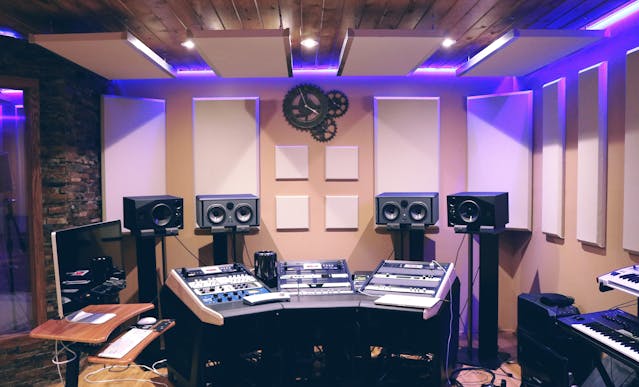
Digital audio workstations, virtual instruments, and cloud-based collaboration platforms allow artists to compose, record, mix, and iterate from virtually anywhere. This shift has increased output volume while lowering the barrier to experimentation. Artists can release singles, remixes, and alternate versions rapidly, adapting their sound based on real-time listener feedback.
The result is a creative cycle that favors agility over perfection, supported by tools designed for iteration rather than fixed releases.
Visual Content as a Core Creative Asset
Audio alone is no longer sufficient for discovery or engagement. Visual content plays a central role across streaming platforms, social media, and live performance promotion. Algorithms prioritize multimedia assets, and audiences increasingly associate music with visual storytelling.
One of the most practical tools supporting this shift is the Videobolt lyric video maker. Lyric videos have become a standard release format because they extend a song’s reach without requiring full-scale music video production. From a technical standpoint, lyric video makers allow artists to synchronize text, typography, motion graphics, and branding elements directly to audio tracks. This enables consistent visual output aligned with release schedules, while maintaining control over aesthetic identity.
For emerging artists, this type of tool bridges the gap between audio creation and visual distribution, allowing songs to perform across platforms like YouTube, Instagram, and TikTok without the cost and complexity of traditional video shoots.
Democratization of Production and Distribution
Creative tools have reduced reliance on centralized gatekeepers. Distribution platforms allow artists to upload and monetize content directly, while analytics tools provide granular insight into listener behavior. This data informs creative decisions, from release timing to track sequencing.
Automation plays a key role here. Scheduling tools, content templates, and integrated publishing pipelines allow artists to maintain consistent output without dedicating disproportionate time to logistics. The technical advantage lies in reducing cognitive load, freeing creative capacity for composition and performance rather than administration.
Interdisciplinary Skill Sets
The next generation of music artists is increasingly interdisciplinary. Technical literacy is no longer optional; it is foundational. Artists routinely engage with video editing, motion graphics, lighting design, and basic coding concepts related to streaming and monetization.
Creative tools are designed to support this hybrid skill set. Interfaces emphasize modularity and customization, allowing artists to adapt tools to their workflows rather than conforming to rigid processes. This flexibility encourages experimentation across mediums, resulting in more cohesive and distinctive creative outputs.
Branding, Identity, and Environmental Design
As music consumption becomes increasingly digital, artists still rely on physical and visual cues to establish identity. Branding is no longer confined to album art; it extends into stage design, studio environments, livestream backdrops, and promotional photography.
Environmental design tools contribute to this identity-building process. Physical visual elements reinforce brand recognition and create continuity between online and offline presence. Lower in the production stack, items such as custom neon signs are used by artists to define visual motifs that appear consistently across studios, live sets, and video content. These elements function as both aesthetic markers and practical lighting solutions, shaping mood while reinforcing recognizability.
This blending of physical design and digital content reflects a broader trend: artists now treat every visual surface as a branding opportunity.
Live Performance and Hybrid Experiences
Live performance has evolved beyond traditional venues. Livestreams, hybrid events, and pop-up performances require tools that integrate audio, video, and visual design in real time. Artists now plan performances with both in-person and remote audiences in mind.
Lighting, visual backdrops, and synchronized on-screen content are engineered alongside setlists. Creative tools that enable rapid setup and repeatable configurations are especially valuable in these contexts, where technical reliability directly affects audience experience.
Sustainability and Scale
Scalability is a defining concern for independent artists. Tools that reduce marginal cost per release or performance allow artists to grow without linear increases in overhead. This includes reusable visual templates, automated video generation, and modular branding assets.
Sustainable creative practices rely on systems, not one-off efforts. Artists who adopt integrated toolchains can maintain quality and consistency as output scales, which is critical for long-term audience growth.
The Tool-Driven Artist Model
Creative tools are no longer accessories to music production; they are foundational components of the artist’s operating model. From lyric video generation to environmental branding, these tools compress timelines, expand creative control, and support direct engagement with audiences.
The next generation of music artists will not be defined solely by genre or sound, but by how effectively they leverage creative infrastructure. In a landscape where attention is scarce and speed matters, tools are the quiet force shaping who gets heard, and who sustains a career.