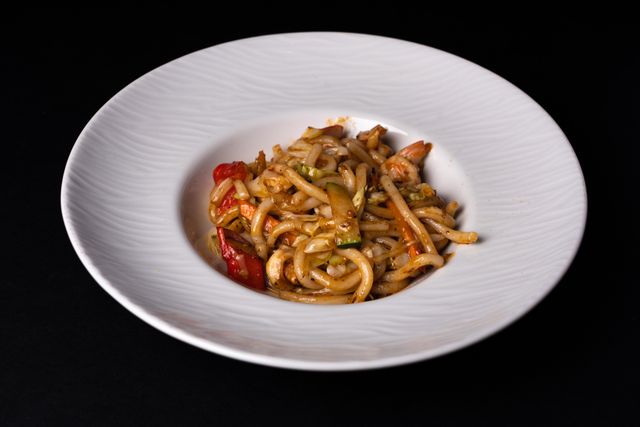
Are udon noodles gluten free? Learn the truth, avoid hidden mistakes, and find safer noodle swaps.
Traditional udon noodles are not gluten free. They are made from wheat flour, so they are unsafe for anyone avoiding gluten, especially people with celiac disease. Even when the noodles are replaced, the broth, sauce, toppings, and shared kitchen tools can still introduce gluten.
Udon has a way of looking harmless. It is thick, mild, and comforting, which makes it easy to forget that the most important detail is hiding in plain sight: the noodle itself is usually wheat-based. In Japanese noodle culture, udon and soba are not interchangeable, and that difference matters a lot when gluten is a concern.
That is why this question keeps coming up. People are not just asking whether a bowl of noodles is “healthy” or “safe”; they are trying to figure out whether they can eat with confidence at home, in a restaurant, or while traveling without getting caught by a hidden ingredient or a shared pot of water. For people with celiac disease, even small amounts of gluten can be a problem, and avoiding cross-contact is part of the job.
What You'll Discover:
Are udon noodles gluten free? The honest answer
The simple answer is no: traditional udon noodles are made from wheat flour, water, and salt, and wheat means gluten. That is true for homemade udon, packaged udon, and most restaurant udon dishes you will encounter.
A useful way to think about it is this: udon is not a “maybe gluten” food. It is a wheat noodle by definition, so the default assumption should be that it contains gluten unless the package clearly says otherwise. In the U.S., a packaged food labeled “gluten-free” must contain less than 20 parts per million of gluten, but that label only helps if you are looking at a product that actually carries the claim.
Here are two facts worth keeping in your back pocket: traditional udon is wheat-based, and “gluten-free” on a package does not mean zero gluten. Those details sound small, but they change how you shop, cook, and order.
Why the answer changes in restaurants
Restaurant udon is rarely just noodles in water. A standard bowl often includes broth, soy sauce, mirin, tempura, fried toppings, or other ingredients that can bring gluten back into the dish even if the noodle swap is handled well. Japanese travel guidance for gluten-free diners specifically warns to avoid udon and ramen, and celiac guidance highlights soy sauce, flour-based sauces, and cross-contact as common traps.
That means a “gluten-free noodle” does not automatically equal a gluten-free meal. Shared strainers, cooking water, cutting boards, fryers, ladles, and condiment bottles can all undo careful ingredient choices. Celiac education materials are blunt about this because even tiny amounts of gluten from cross-contact can matter.
What makes udon different from soba
This is where many people get tripped up. Udon is a thick wheat noodle, while soba is traditionally made from buckwheat flour. Buckwheat itself is not wheat, but soba noodles are often blended with wheat flour, so the word “soba” alone is not enough to make them safe.
So the rule is not “soba is gluten free” or “soba is not gluten free.” The smarter rule is: soba is only a potential option if the label confirms 100% buckwheat or clearly states gluten free. That distinction is one of the biggest gaps in many beginner guides, because people assume buckwheat automatically means safe.
Better options when you are avoiding gluten
If you want the chew of udon without the gluten, the best path is to look for noodles made from rice flour, potato starch, mung bean starch, or konjac rather than assuming a Japanese noodle is safe by name alone. Celiac guidance specifically lists rice noodles and mung bean noodles as gluten free, and many gluten-free recipes and specialty products now use rice flour plus starch to mimic udon’s thickness and bite.
The texture will not be identical, and that is okay. A rice-based noodle can be lighter and a little less elastic, while konjac noodles are far more slippery and have a very different mouthfeel. The win is not imitation perfection; it is a bowl that gives you the same comfort profile without a wheat problem.
Comparison: udon and the closest alternatives
| Option | Gluten status | Best use | Main caution |
| Traditional udon | Not gluten free | Hot soups, stir-fries, cold noodle bowls | Made from wheat flour. |
| Gluten-free udon-style noodles | Can be gluten free | When you want the udon look and feel | Only safe if the package says gluten free and the sauce is safe. |
| Soba | Sometimes gluten free | Cold noodle dishes or light broth | Many soba noodles contain wheat; verify 100% buckwheat or GF labeling. |
| Rice noodles | Usually gluten free | Stir-fries, soups, salad-style bowls | Check sauces and shared cookware. |
The mistakes that trip people up
The first mistake is thinking the noodle is the only issue. In real life, the broth, seasoning packets, soy sauce, tempura crumbs, and fried toppings often matter as much as the noodles themselves. That is especially true for dishes like yaki udon or tempura udon, where the noodle may be one gluten source among several.
The second mistake is treating “gluten-free” as a restaurant promise instead of a food claim with context. In packaged foods, the FDA rule is clear, but restaurants can still have cross-contact risk unless they use separate tools, clean water, and careful procedures. For people with celiac disease, that distinction is not academic; it is the difference between eating comfortably and getting sick.
The third mistake is forgetting that sauces can be wheat-based even when they taste “light” or “clear.” Celiac guidance specifically warns about traditional soy sauce and flour-thickened sauces, and gluten-free travelers are advised to ask for tamari where available.
How to order a safer bowl
A safer order starts with a few direct questions. Ask whether the noodles contain wheat, whether the broth uses regular soy sauce, whether the kitchen uses a shared strainer or boiling water, and whether any toppings were fried in the same oil as breaded foods. Those are the pressure points that usually decide whether the bowl is truly safe.
At home, the same logic applies. Read the ingredient list, not just the front label, because wheat can appear in sauces, seasoning packets, and noodle blends. FDA labeling helps with packaged products, but it does not replace ingredient checking when you are dealing with mixed dishes.
When the answer is still no, even if the bowl looks simple
A plain-looking bowl can still be a bad bet if the restaurant uses shared cooking water or if the broth includes soy sauce with wheat. Celiac education materials point out that cross-contact can happen through colanders, cutting boards, fryers, shared containers, and even condiment jars. The food may look clean, but the path it took to the table may not be.
That is also why people with celiac disease often do better with places that can explain their process clearly. The safest server is not the one who says “I think so”; it is the one who can tell you exactly how the kitchen avoids cross-contact. Small details matter because small amounts of gluten can still matter.
FAQ
Are udon noodles gluten free?
No. Traditional udon noodles are made from wheat flour, so they contain gluten unless they are a specially labeled gluten-free substitute.
Is udon broth gluten free?
Not always. Udon broth often contains soy sauce or other seasonings that may include wheat, so you need to check the full recipe, not just the noodles.
Is soba gluten free?
Sometimes, but not by default. Soba is traditionally buckwheat-based, yet many soba noodles contain wheat flour, so only 100% buckwheat or clearly labeled gluten-free soba should be treated as safe.
What noodles are safer than udon for gluten-free eating?
Rice noodles and mung bean noodles are commonly gluten free, and gluten-free udon-style products made from rice flour or starch can work well if the label confirms the claim. Sauce and cross-contact still need attention.
Can people with celiac disease eat udon?
Traditional udon is not a good choice for celiac disease because it contains wheat, and restaurant bowls can add more gluten through broth and cross-contact. A certified gluten-free noodle dish is the safer route.
Key Takeaways
- Traditional udon noodles are not gluten free because they are made from wheat flour.
- A gluten-free package claim in the U.S. means less than 20 ppm of gluten, not zero gluten.
- Broth, soy sauce, tempura, and shared kitchen tools can add gluten even if the noodle itself is changed.
- Soba is not automatically safe; many soba noodles contain wheat, so label reading matters.
- Rice noodles and mung bean noodles are among the more reliable gluten-free alternatives.
- For celiac disease, small amounts of gluten from cross-contact can still be a serious problem.
Additional Resources
- Gluten and Food Labeling: Explains the U.S. gluten-free label standard and the 20 ppm threshold in plain language.