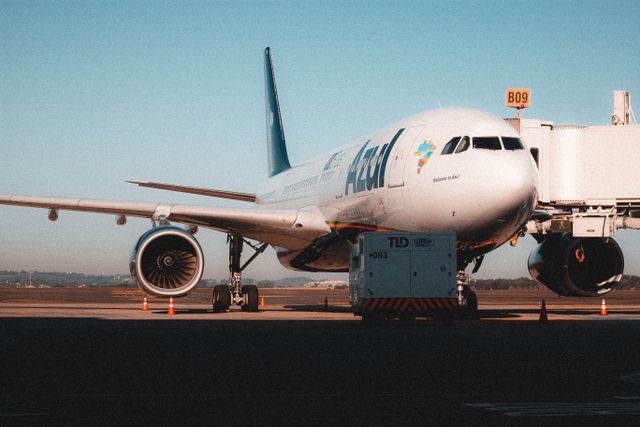
KLM Flight KL635 diverts to Glasgow after declaring emergency, what happened, why it mattered, and what passengers need.
KLM flight KL635, the Amsterdam-to-Las Vegas service listed by Schiphol, diverted to Glasgow after the crew declared an emergency. KLM later said the unscheduled stop was due to a medical emergency involving a passenger, and the flight continued to Las Vegas after the stop.
When a flight like KL635 suddenly turns toward Glasgow, the headline sounds more dramatic than the real operational story usually is. In this case, the flight was part of KLM’s Amsterdam-to-Las Vegas service, and the reported reason for the stop was a medical emergency involving a passenger, not a routine schedule change.
That matters because diversions are one of those situations people hear about often but rarely understand well. The useful question is not just what happened in the air; it is what a diversion means for safety, timing, passenger rights, and the next steps you should take if you are ever on a flight that changes course mid-journey.
What You'll Discover:
What happened when klm flight kl635 diverts to glasgow after declaring emergency
The core facts are straightforward. Schiphol lists KL635 as a Las Vegas service from Amsterdam, and reporting on the incident said the aircraft made an unscheduled stop in Glasgow after the crew issued an emergency alert shortly after departure. The airline’s later explanation, quoted in coverage of the event, was that the diversion was due to a medical emergency involving a passenger.
That last detail matters more than the headline. In aviation, the word “emergency” does not automatically mean a catastrophic failure; it often means the crew has judged that the safest move is to land now, not later. A medical issue in the cabin can be enough to justify that decision on its own, especially on a long-haul flight where time and location both matter.
What happened next was also important: the aircraft continued to Las Vegas after the stop. That tells you the diversion was treated as a controlled interruption, not a complete abandonment of the journey.
Why airlines divert instead of pressing on
A diversion is the airline choosing control over convenience. Once a serious issue appears, the crew is no longer trying to preserve the original plan at all costs; it is trying to get people on the ground at a suitable airport as safely and quickly as possible. That is why a long-haul flight can end up landing somewhere that was never part of the ticket.
Medical events are a classic example. On a flight crossing the Atlantic or flying over the UK, the crew may decide that continuing is the wrong trade-off if a passenger needs immediate care. A passenger can be stable enough to stay on board, yet still need a landing decision that interrupts everyone else’s plans.
A diversion also protects the airline from turning a manageable incident into a worse one. That is the part people miss: safety decisions are often made before the situation becomes visible to passengers. By the time the cabin hears the announcement, the crew has usually already weighed medical support, fuel, airport capability, and onward logistics.
What passengers should do during a diversion
The first move is not to guess. It is to check the airline’s official updates, because KLM says it can send relevant flight updates by phone, text message, or e-mail when contact details are provided. KLM also directs passengers to its flight status and travel alert pages for disruption information.
Keep your booking details current before you travel. If an airline needs to rebook you, cancel a segment, or send a disruption notice, the fastest path is usually the one where your contact details are already correct in My Trip or your airline profile.
Save everything. Screenshots of notifications, receipts for meals or hotels, and notes about new arrival times can become useful if the diversion triggers a missed connection or a compensation claim later. That is not paranoia; that is simply how you protect yourself when a schedule changes unexpectedly.
What the law says about diversion, delay, and compensation
For flights departing from the EU, EU air passenger rights apply, including flights departing from the EU to a non-EU country on an EU or non-EU airline. Since KL635 was an Amsterdam-to-Las Vegas service, that framework is the relevant starting point for passengers looking at rights after a disruption.
The most important rule is this: compensation depends on the final result and the reason for the disruption. Under EU rules, a passenger who arrives at the final destination with a delay of 3 hours or more may be entitled to compensation, unless the delay was caused by extraordinary circumstances. The airline must prove that exception.
That exception matters because not every problem counts the same way. The EU guidance says many technical problems are not considered extraordinary circumstances, while events such as air traffic management decisions, political instability, adverse weather, and security risks can qualify. That is why the final explanation from the airline matters so much.
There is also a separate set of rights when a flight is cancelled or rerouted. In those cases, passengers may be entitled to reimbursement, re-routing, or rebooking, depending on what happened and how the airline handled it. In plain English: the airline cannot just leave you stranded and call it a day.
Emergency diversion, delay, and cancellation compared
| Situation | What it means | What usually matters next | Passenger focus |
| Emergency diversion | The aircraft lands at an alternate airport | Safety, medical care, onward routing | Follow airline instructions and keep records |
| Delay | The flight continues but arrives late | Final arrival time and cause of delay | Check whether compensation thresholds are met |
| Cancellation | The flight does not continue as planned | Refund, re-routing, or rebooking | Choose the option that protects your trip best |
The table above reflects the way EU passenger-rights rules are structured: delay, cancellation, rerouting, and extraordinary circumstances are treated differently, and the final cause is what controls the outcome.
The fastest checklist if your flight is diverted
Stay calm and wait for the airline’s official announcement. Diversions are usually managed in layers, and the first update is often incomplete until the crew has the aircraft on the ground.
Open the airline app or flight status page and confirm the new airport, new timing, and whether the flight will continue. KLM specifically tells passengers to use its flight tracker, travel alerts, and message updates to stay informed during disruptions.
Keep your boarding pass, booking confirmation, and any new messages from the airline. If the diversion affects a connection, those records help you prove what changed and when it changed.
Ask the airline what happens next before you leave the gate area. On a diversion, the next step may be a continuation flight, a rebooked itinerary, or overnight assistance, and the answer can change quickly as operations settle.
Why this incident matters beyond the headline
The phrase “klm flight kl635 diverts to glasgow after declaring emergency” sounds like the kind of story that belongs in a panic cycle. In reality, it is a clean example of aviation’s priority order: stabilize the problem, land safely, handle the passenger issue, and then continue or rebook as needed.
That is the part worth remembering. A diversion is not proof that the system failed; often, it is proof that the system worked exactly as designed. The crew acted early, the aircraft landed, the passenger concern was addressed, and the journey continued.
It also shows why passenger communication matters. Airlines that keep contact details updated can send disruption notices quickly, and that speed can determine whether a traveler makes a connection, books a hotel, or simply avoids hours of confusion.
FAQ
What caused KL635 to divert to Glasgow?
KLM was quoted as saying the aircraft made an unscheduled stop in Glasgow because of a medical emergency involving a passenger, and the flight later continued to Las Vegas.
Does a diversion automatically mean compensation?
No. Under EU rules, compensation depends on the final delay and on whether the airline can prove extraordinary circumstances. The rule is not automatic just because an emergency landing happened.
What should passengers check first after a diversion?
Check the airline’s flight status, travel alerts, and official messages by phone, text, or e-mail. KLM says those are the channels it uses to communicate schedule changes and cancellations.
If the flight is rerouted, what are my options?
Under EU passenger-rights rules, the airline must offer reimbursement, re-routing, or rebooking in the situations covered by the regulation. The best option depends on whether your trip is still useful or whether a refund is the safer choice.
Is a technical issue treated the same as a medical emergency?
No. EU guidance says most technical problems are not extraordinary circumstances, while medical emergencies are handled as a separate operational risk. The airline’s final explanation is what shapes the rights analysis.
Key Takeaways
- KL635 is the Amsterdam-to-Las Vegas KLM service listed by Schiphol.
- The flight diverted to Glasgow after an emergency was declared, and KLM later said the stop was due to a medical emergency involving a passenger.
- The flight continued to Las Vegas after the stop, which points to a controlled diversion rather than a full cancellation.
- KLM tells passengers to keep contact details updated so disruption notices can arrive by phone, text, or e-mail.
- For EU departures, compensation depends on delay length and whether extraordinary circumstances apply. The airline must prove that exception.
- If your flight is disrupted, your best move is to follow the airline’s official updates, save receipts, and keep every message tied to the new itinerary.