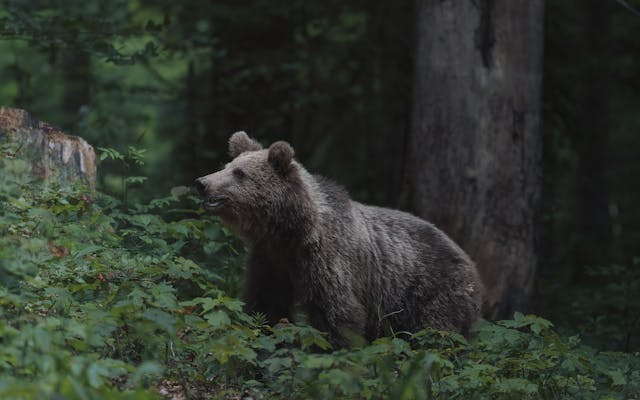
Smoky mountains bear feeding citation explained: laws, fines, risks, and what happens if you feed wildlife in national parks.
A smoky mountains bear feeding citation is a legal penalty issued for feeding or attempting to feed black bears in the Great Smoky Mountains. It can result in fines, court appearances, and serious consequences for both humans and bears. Feeding bears is illegal because it puts wildlife and people at risk.
I used to think feeding a bear, just a little snack, maybe tossing a sandwich, was one of those “once in a lifetime” stories people brag about later.
Then I came across the idea of a smoky mountains bear feeding citation.
And suddenly, that harmless moment didn’t feel harmless anymore.
Because it turns out, feeding a bear isn’t just a bad idea. It’s a punishable offense. And more importantly, it can quietly sign a death sentence for the animal you thought you were helping.
That realization hits differently.
What You'll Discover:
What Is a Smoky Mountains Bear Feeding Citation?
A smoky mountains bear feeding citation is issued when someone violates wildlife protection laws by feeding, luring, or leaving food accessible to bears in protected areas like the Smoky Mountains.
This includes:
- Direct feeding (handing food to a bear)
- Tossing food scraps
- Leaving food unattended at campsites
- Improper trash storage
“Feeding a bear in the Smoky Mountains is a federal offense, not just a park rule violation.”
And yes, it can escalate quickly.
Why Feeding Bears Is Illegal (And Not Just “Discouraged”)
At first glance, the rule feels strict. Maybe even excessive.
But there’s a deeper logic behind it.
Bears Learn Fast, Too Fast
Black bears are incredibly intelligent. When they associate humans with food, their behavior changes almost instantly.
One feeding turns into:
- Approaching cars
- Entering campsites
- Breaking into cabins
Then comes the dangerous shift, they stop fearing humans.
And that’s where everything spirals.
A Hard Truth Most People Don’t Expect
Here’s the part that stuck with me:
“A fed bear is often a dead bear.”
Wildlife officials repeat this phrase because it’s painfully accurate.
Once a bear becomes “food-conditioned,” it may:
- Become aggressive
- Pose safety threats
- Be relocated or euthanized
So the citation? It’s not just punishment.
It’s prevention.
What Happens If You Get a Bear Feeding Citation?
Let’s walk through what actually happens, step by step.
Because it’s more serious than most people assume.
1. Immediate Citation Issued
Authorities can issue a citation on the spot.
This is not like a parking ticket. It’s tied to enforceable law.
2. Fines and Legal Consequences
Typical penalties may include:
- Fines up to several thousand dollars
- Mandatory court appearance
- Potential criminal record (depending on severity)
Short, quotable fact:
“Wildlife feeding violations can carry fines exceeding $5,000.”
3. Court Appearance
In some cases, you may need to appear in court.
That’s when the situation stops feeling like a mistake… and starts feeling like a legal case.
4. Long-Term Impact
A citation can:
- Affect travel records
- Complicate background checks
- Add unexpected legal costs
And all of that… for a moment that lasted seconds.
The Real Cost: What Happens to the Bear
This is the part that changes how you see everything.
Because the consequences don’t end with you.
From Curious to Dangerous
A bear that gets food from humans starts testing boundaries:
- First: sniffing around camps
- Then: approaching people
- Eventually: confronting humans directly
That progression is almost predictable.
The Final Outcome No One Talks About
When a bear becomes too comfortable around humans, officials may have only two options:
- Relocate it (rarely successful long-term)
- Euthanize it
Let that sit for a second.
Your sandwich could cost a bear its life.
Common Scenarios That Lead to Citations
Most people don’t intentionally break the law.
They just don’t realize where the line is.
“I Didn’t Feed It, I Just Left Food Out”
Leaving food unattended is considered feeding.
Even if the bear finds it on its own.
“It Was Just a Photo Opportunity”
Throwing food to get a better picture? Still illegal.
And surprisingly common.
“We Thought It Was Cute”
This one hits hardest.
Because it usually starts with excitement, not harm.
And ends with consequences no one expected.
The Rules You’re Expected to Know
In protected areas, ignorance isn’t a defense.
Here’s what visitors are expected to follow:
Proper Food Storage
- Use bear-proof containers
- Store food in approved locations
- Never leave food outside overnight
Trash Management
- Dispose of garbage in secure bins
- Never leave trash exposed
Distance Guidelines
- Keep a safe distance from wildlife
- Never approach, even if animals seem calm
Short, quotable reminder:
“If a bear notices you, you’re already too close.”
Why People Still Break the Rule
This is where it gets interesting.
Because despite warnings, signs, and fines… it still happens.
The Illusion of Control
People think:
- “It’s just one time.”
- “The bear looks calm.”
- “Nothing bad will happen.”
But wildlife doesn’t follow human expectations.
Social Media Pressure
Let’s be honest, viral moments drive risky behavior.
A close-up bear video gets attention.
But it also normalizes dangerous interactions.
Misplaced Empathy
Some people feed bears because they feel sorry for them.
Ironically, that kindness causes the most harm.
Comparison: Feeding vs Not Feeding Bears
| Behavior | Short-Term Outcome | Long-Term Impact |
| Feeding a bear | Exciting encounter | Bear becomes aggressive or euthanized |
| Leaving food out | No immediate issue | Bear learns to raid camps |
| Following rules | No close interaction | Bear stays wild and safe |
| Observing from distance | Safe experience | Ecosystem remains balanced |
The contrast is stark.
One choice feels memorable.
The other keeps everything alive.
What to Do If You Encounter a Bear
Because avoiding feeding isn’t enough, you need to know how to act.
Stay Calm
No sudden movements. No running.
Make Yourself Known
Speak calmly. Let the bear identify you as human.
Back Away Slowly
Create distance without triggering a chase instinct.
Never Offer Food
Even in fear or panic. Especially then.
The Bigger Picture: Protecting an Entire Ecosystem
The smoky mountains bear feeding citation isn’t just about individual behavior.
It’s about preserving balance.
Bears play a role in:
- Seed dispersal
- Forest regeneration
- Ecosystem stability
Disrupting their behavior doesn’t just affect them.
It affects everything connected to them.
And that’s… almost everything.
FAQ: Smoky Mountains Bear Feeding Citation
What is the fine for feeding a bear in the Smoky Mountains?
Fines can reach thousands of dollars, depending on the severity of the violation and legal outcome.
Is feeding bears always illegal in national parks?
Yes. Feeding wildlife is prohibited in all national parks.
Can you get arrested for feeding a bear?
In serious cases or repeated violations, yes, especially if public safety is compromised.
What should I do if a bear approaches my campsite?
Secure all food, stay calm, and slowly create distance without feeding or provoking the animal.
Why can’t bears just be relocated instead of euthanized?
Relocation often fails because bears return or continue risky behavior in new areas.
Key Takings
- A smoky mountains bear feeding citation is a serious legal offense with real consequences.
- Feeding bears removes their natural fear of humans and changes behavior quickly.
- “A fed bear is a dead bear” reflects real outcomes, not exaggeration.
- Even indirect feeding, like leaving food out, can lead to penalties.
- Most violations happen from lack of awareness, not bad intent.
- Following rules protects both humans and wildlife.
- One small action can ripple into life-or-death consequences for a bear.
Additional Resources:
- National Park wildlife safety guidelines: Understand how to safely interact with wildlife and avoid dangerous or illegal situations.