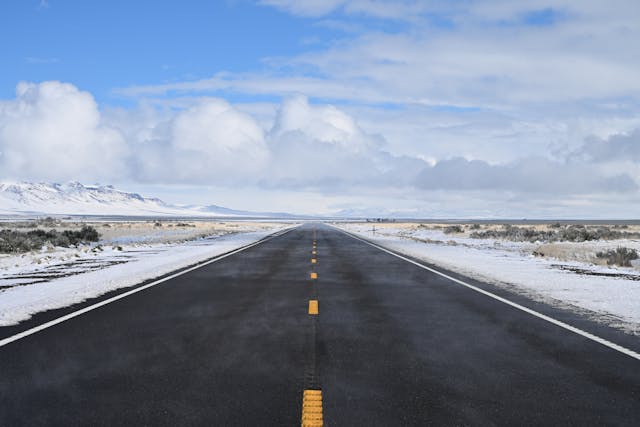
Iowa’s I-35 closed due to severe winter weather, causing travel chaos, safety risks, and major delays across the region.
Iowa’s I-35 closed due to severe winter weather after blizzard conditions made driving unsafe.
Authorities shut down the highway to prevent accidents and protect stranded drivers.
At first, it didn’t feel like a crisis. Just another gray winter morning where the sky hangs low and the wind feels sharper than usual. People checked their phones, saw the forecast, and probably thought, “I’ve driven through worse.”
But somewhere along the stretch of Interstate 35 in Iowa, that quiet confidence started to crack.
Snow wasn’t just falling, it was blinding. Wind wasn’t just blowing, it was pushing vehicles sideways. And suddenly, what felt manageable turned into something else entirely.
I found myself wondering: What actually happens when a major interstate like I-35 shuts down? Not just the headlines, but the real chain reaction beneath it.
Let’s piece it together.
What You'll Discover:
What Happened: Why Iowa’s I-35 Closed Due to Severe Winter Weather
The closure of I-35 in Iowa wasn’t a random decision. It was the result of a perfect storm, literally.
The Breaking Point
Iowa’s I-35 closed due to severe winter weather when conditions crossed a critical safety threshold.
That threshold usually includes near-zero visibility, ice-covered roads, high wind gusts, and multi-vehicle accident risks.
“Interstate closures typically occur when visibility drops below a quarter mile and road traction becomes unreliable.”
It’s not just about inconvenience. It’s about survival.
Because once conditions reach that level, even emergency responders struggle to operate.
The Science Behind the Chaos
Blizzard Conditions: More Than Just Snow
People often underestimate what a blizzard really means.
It’s not just heavy snowfall, it’s the combination of wind, snow, and visibility loss.
Imagine driving blindfolded while sliding on ice.
That’s essentially what drivers experience.
Wind + Ice = Invisible Danger
Here’s the part that surprised me: snow isn’t always the biggest problem.
Ice is.
When freezing rain or melted snow refreezes, roads become glass-like, tires lose grip, and braking distances increase dramatically.
“On icy roads, stopping distance can increase by up to 10 times compared to dry pavement.”
That’s not just dangerous. That’s uncontrollable.
What It Feels Like on the Ground
A Driver’s Perspective
If you’ve never been caught in something like this, it’s hard to explain.
One moment, you’re driving cautiously.
The next, you can’t see lane markings. Snow covers your windshield instantly. Cars ahead disappear into a white haze.
And then comes the worst part, uncertainty.
Do you keep going? Do you stop? What if stopping is worse?
That’s the moment authorities try to prevent by closing roads like I-35.
Why Authorities Shut Down Entire Highways
It’s Not Just About Accidents
Closing I-35 isn’t just about preventing crashes. It’s about preventing pileups.
Chain-reaction accidents are the real threat.
One car slides, another brakes, a truck can’t stop, and suddenly dozens of vehicles are involved.
It happens faster than people think.
Emergency Response Limitations
Here’s something people rarely consider:
When weather gets extreme, tow trucks can’t reach stranded vehicles, ambulances get delayed, and snowplows become less effective.
So authorities make a tough call: shut it down before it spirals.
The Ripple Effect: Beyond the Road
Economic Impact
When I-35 closes, it doesn’t just affect drivers.
It affects supply chains, deliveries, trucking routes, and local businesses.
A shutdown means delayed shipments, increased costs, and missed deadlines.
Human Impact
Then there’s the personal side.
People get stranded, stressed, and sometimes scared.
Some drivers end up stuck in their cars for hours, watching fuel levels drop while waiting for help.
That’s the part that stays with you.
Could This Have Been Avoided?
The “I Can Handle It” Mindset
Many drivers believe they have enough experience or the right vehicle to handle winter conditions.
But severe winter weather doesn’t care about confidence.
It exposes overconfidence quickly.
Early Warnings vs Real Action
Weather alerts often come early.
But action comes late.
People underestimate risk, delay decisions, and assume roads will stay open.
By the time closures happen, conditions are already critical.
Comparison: Normal Winter Driving vs Severe Storm Conditions
| Factor | Normal Winter Driving | Severe Winter Weather Closure |
| Visibility | Reduced but manageable | Near zero |
| Road Condition | Slushy or partially icy | Fully ice-covered |
| Traffic Flow | Slow but steady | Stopped or chaotic |
| Emergency Access | Available | Severely limited |
| Risk Level | Moderate | Extreme |
What Drivers Should Do Instead
If You’re Already on the Road
Slow down immediately. Increase following distance. Avoid sudden braking. Exit if possible.
If You Haven’t Left Yet
Don’t.
It sounds simple, but it’s the safest decision.
Emergency Essentials
If travel is unavoidable, carry blankets, water, a phone charger, and a flashlight.
Because help might not arrive quickly.
A Deeper Thought: Why These Closures Matter More Now
Something feels different lately.
Winter storms seem more intense, more unpredictable, and more disruptive.
And infrastructure isn’t always keeping up.
Interstates like I-35 weren’t designed for extremes like this.
So closures may become more common, not less.
That’s a hard truth.
FAQ: Iowa’s I-35 Closed Due to Severe Winter Weather
Why was I-35 closed in Iowa?
Iowa’s I-35 closed due to severe winter weather that caused dangerous driving conditions, including low visibility and icy roads.
How long do interstate closures usually last?
Closures can last from a few hours to over a day, depending on weather severity and road clearing progress.
Can emergency vehicles still use closed highways?
Sometimes, but even emergency access can be limited in extreme conditions.
What should I do if I’m stuck on a closed interstate?
Stay in your vehicle, conserve fuel, and contact emergency services if needed.
Are such closures becoming more common?
Severe weather patterns suggest that major road closures may be happening more frequently.
Key Takings
- Iowa’s I-35 closed due to severe winter weather when safety conditions became critical.
- Blizzard conditions combine wind, snow, and zero visibility, making driving nearly impossible.
- Ice, not snow, is often the most dangerous factor on highways.
- Interstate closures prevent large-scale accidents and emergency response failures.
- The impact goes beyond traffic, affecting economy, logistics, and personal safety.
- Driver overconfidence is a major risk during severe winter storms.
- Future weather trends suggest such closures may become more frequent.
Additional Resources:
- Winter Safety Guide: A practical overview of how winter storms form and how to stay safe during extreme weather conditions.