Follow this step-by-step recovery guide to handle property damage. Learn how to secure your site and navigate the insurance process.
Property damage can strike without warning, leaving homeowners and business owners overwhelmed and uncertain about what steps to take next. Whether it’s flooding, fire, storms, or other disasters, the immediate aftermath requires quick thinking and decisive action to minimize further harm and begin the recovery process. Understanding the proper sequence of actions can make all the difference between a smooth restoration and prolonged disruption to your life or business operations. This comprehensive guide walks you through the essential steps to take after experiencing property damage, helping you navigate this challenging situation with confidence and clarity.
What You'll Discover:
Ensure Safety First and Assess the Situation
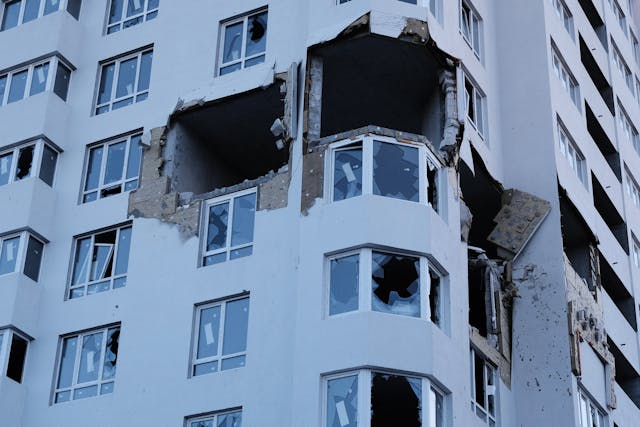
Before anything else, your top priority must be the safety of everyone in the affected property. If the damage involves structural instability, electrical hazards, gas leaks, or contaminated water, evacuate immediately and contact emergency services. Never enter a property that appears unsafe or has been deemed uninhabitable by authorities; no possession is worth risking your life. Once emergency personnel have cleared the area safe to enter, you can conduct a preliminary assessment of the damage while documenting everything you observe.
Take extensive photographs and videos from multiple angles, capturing both wide shots and close-ups of affected areas, damaged belongings, and structural issues. This visual documentation will prove invaluable when filing insurance claims and working with restoration professionals. Pay special attention to water levels, visible structural damage, broken windows or doors, and any obvious safety hazards that need immediate attention. Think of this documentation as building your case, the more thorough you are now, the smoother your recovery process will be later.
Contact Your Insurance Company Immediately
Prompt communication with your insurance provider is absolutely crucial for a successful claim process and timely restoration. Contact your insurance company as soon as it’s safely possible, ideally within the first 24 hours after discovering the damage. Have your policy number readily available and be prepared to provide a detailed description of what happened, when it occurred, and the extent of the damage you’ve observed. Most insurance companies have 24-hour emergency hotlines specifically for urgent situations like property damage, so don’t hesitate to call even if it’s the middle of the night.
During this initial call, ask about your coverage specifics, including what types of damage are covered, deductible amounts, temporary living expense allowances if applicable, and any immediate steps you should take to prevent further damage. Request information about their preferred vendors or approved restoration companies, though it’s worth remembering you typically have the right to choose your own service providers. Document the name of every insurance representative you speak with, along with the date, time, and details of your conversation for future reference. These notes can become surprisingly important if questions or disputes arise later in the claims process.
Take Immediate Steps to Prevent Further Damage
Insurance policies typically require property owners to take reasonable steps to prevent additional damage after an initial incident, this is known as your duty to mitigate. This can include actions like covering broken windows or holes in the roof with tarps, turning off water sources to stop ongoing leaks, removing standing water when safe to do so, and moving undamaged belongings to dry areas. However, you’ll want to avoid making permanent repairs or disposing of damaged items before your insurance adjuster has documented everything, as doing so could jeopardize your claim.
If you must make emergency repairs to prevent further damage, keep all receipts and document everything with photographs before, during, and after the work. These mitigation efforts demonstrate responsible property ownership and may be reimbursable under your insurance policy. Be especially cautious about electrical systems and water damage combinations, as they can create dangerous situations requiring professional intervention. When in doubt, err on the side of caution and call in the professionals rather than attempting repairs that could put you at risk.
Begin the Documentation and Inventory Process
Thorough documentation extends well beyond initial photographs and requires creating a comprehensive inventory of all damaged property. Make detailed lists of affected items, including descriptions, approximate ages, original purchase prices when known, and current conditions. Gather receipts, warranties, or previous appraisals for valuable items if they’re available and weren’t destroyed in the damage. For items without receipts, research comparable products online to establish reasonable replacement values; this legwork pays off when it’s time to settle your claim.
Don’t overlook smaller items or seemingly minor damage, as costs accumulate quickly during restoration. Create organized files, either physical or digital, containing all documentation related to the damage event, including photos, videos, inventory lists, insurance correspondence, contractor estimates, receipts, and any official reports from fire departments, police, or other authorities. This organized approach streamlines the claims process and ensures you don’t overlook reimbursable expenses. Consider using specialized apps designed for property damage documentation, which can help organize information and share it easily with insurance adjusters and restoration professionals.
Work with Professional Restoration Services
Professional restoration companies bring specialized expertise, equipment, and experience that most property owners simply don’t have for dealing with significant damage. These professionals can quickly assess the full extent of damage, including hidden issues like moisture trapped in walls or structural weakening that isn’t immediately visible to the untrained eye. They utilize industrial, grade equipment for water extraction, drying, dehumidification, and air quality improvement that far exceeds consumer-grade tools you might rent from a hardware store.
When selecting a restoration company, look for proper licensing, insurance, and certifications from recognized industry organizations that demonstrate technical competency and adherence to professional standards. For property owners dealing with water damage or storm-related incidents, working with a qualified provider like a Lakeland, FL restoration company ensures access to certified professionals who understand local building codes and Florida-specific restoration challenges. Request detailed written estimates that break down labor, materials, and expected timelines, and don’t hesitate to obtain multiple quotes for comparison. This is a significant investment, and you deserve to make an informed decision.
Navigate the Claims Process and Recovery Timeline
The insurance claims process can be complex and time-consuming, requiring patience and persistent follow-up throughout. After filing your initial claim, an insurance adjuster will schedule a property inspection to assess damage and determine covered losses. Be present during this inspection whenever possible, pointing out all damage and providing your documentation to support your claim, this is your opportunity to ensure nothing gets overlooked.
If the adjuster’s initial assessment seems inadequate, you have the right to dispute it and may consider hiring a public adjuster to advocate on your behalf. Understand that settlement negotiations may take several rounds, especially for extensive damage claims, and that’s perfectly normal. Keep meticulous records of all expenses related to the damage, including temporary housing, meals if displaced, emergency repairs, and storage costs for salvaged belongings. These expenses may be reimbursable depending on your policy coverage, but only if you can document them properly.
Conclusion
Recovering from property damage requires methodical action, thorough documentation, and collaboration with insurance providers and restoration professionals. By prioritizing safety, promptly notifying your insurance company, preventing further damage, maintaining comprehensive records, engaging qualified restoration services, and actively managing the claims process, you position yourself for the most efficient and complete recovery possible.