Daytona Beach’s bright adrenaline hides a darker side,where speed, sunshine, and crowds can’t always outrun real-world fragility.
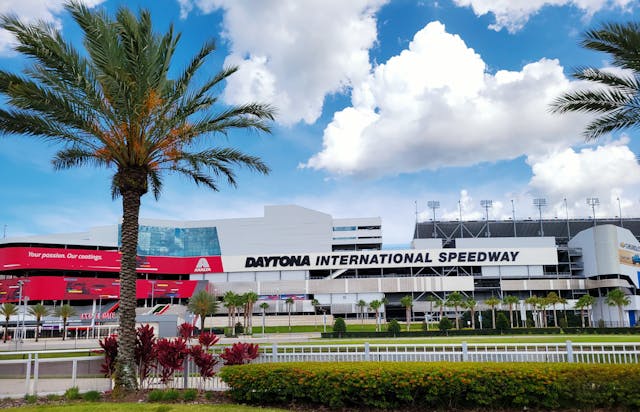
Daytona Beach is a city defined by noise and velocity. It is the roar of engines echoing off the grandstands at the Speedway. It is the rhythmic crash of the Atlantic waves slamming against the pilings of the pier. It is the thumping bass of Spring Break crowds cruising down A1A with the windows down and the volume up. This is a town built on adrenaline. It thrives on bright, blinding sunshine and the promise of a good time. Most of the days here are infectious. The energy makes people drive a little faster. It makes them stay out a little later. It makes them forget that the real world, with all its fragility, still exists just beyond the guardrails.
But there is a flip side to a town built on speed and tourism. When the noise stops, the silence that follows is heavy. It is suffocating.
Losing someone is never easy. However, losing them to a preventable accident feels like a theft. It is abrupt. It is violent. One minute, you are planning a weekend barbecue or a dinner on the Intracoastal. The next minute, you are standing in a sterile hospital corridor being told that everything has changed. The shock does not just hit you. It erases you. The world keeps moving. Tourists keep buying airbrushed T-shirts. Traffic keeps flowing on I-95. Yet your personal universe has ground to a complete, agonizing halt.
What You'll Discover:
The Unique Chaos of Volusia County
To understand why wrongful death cases here are so complex, you have to understand the geography of the risk. Daytona isn’t just a beach town. It is a convergence point. You have the I-4 and I-95 interchange, often called “dysfunction junction,” where confused tourists mix with aggressive locals and heavy trucking convoys. You have the unique variable of beach driving, where tides and soft sand meet pedestrian traffic in a way that happens almost nowhere else in the country.
Then you have the events.
Bike Week and Biketoberfest bring hundreds of thousands of motorcycles into a condensed area. The sheer volume of traffic increases the probability of catastrophic collisions exponentially. It creates an environment where the margin for error is razor-thin. A driver checking a GPS for a hotel on Atlantic Avenue might drift across a lane. A truck driver, fatigued from a long haul down the coast, might react too slowly to a sudden stop. In these moments, physics takes over. The human body is simply no match for steel and momentum.
The Maze of Liability
Navigating the aftermath of a fatal accident in Daytona is complicated by the transient nature of the city. Evidence has a nasty habit of packing its bags and leaving town. Witnesses are often vacationers from Ohio or New York who saw the crash, gave a quick statement to a patrol officer, and flew home the next morning. Security footage from beachside hotels gets overwritten every forty-eight hours. The “World’s Most Famous Beach” is also a place where the truth can easily get buried under the shifting sands of bureaucracy.
This is where the difference between a tragic accident and a viable legal case becomes crucial. Florida law is very specific about what constitutes a “wrongful death.” It is not just about the loss. It is about the negligence that caused it.
- Was the driver texting or distracted by an app?
- Was the hotel balcony railing rusted and unsafe?
- Was the trucking company cutting corners on brake maintenance to save a few dollars?
- Was the bar serving alcohol to a known habitual drunk driver?
Establishing these facts requires an investigation that moves faster than the news cycle. For families in Volusia County, this is often the point where they realize they are completely out of their depth. The insurance companies are already building their defense. They are securing data. They are interviewing witnesses. They are doing this while the family is still picking out a casket.
The insurance adjusters know the statutes better than the average grieving spouse. They know that Florida has a strict two-year statute of limitations for filing these claims. They count on the family being too overwhelmed to act. Finding a Daytona Beach wrongful death lawyer who understands the local courts and the specific hazards of the area is often the only way to slow down the process and demand accountability. It provides a necessary shield against the corporate machinery that wants to close the file as cheaply as possible.
The Hollow Days of Grief and Distraction
The weeks following the loss are a blur of administrative tasks that feel pointless and cruel. You have to deal with death certificates. You have to navigate probate issues. You have to handle the endless stream of condolences that, while well-meaning, often just serve as a painful reminder of who is missing. The house feels too quiet. The routine is broken.
People cope in different ways. Some throw themselves into work to avoid thinking. Others retreat entirely. There is a desperate, clawing need for distraction. Anything to pull the mind away from the “what ifs” and the replaying of the final moments.
You might find yourself staring blankly at the television or scrolling endlessly through your phone, looking for something to numb the brain. You might spend hours reading about completely unrelated topics, like high-end travel destinations or lifestyle trends, just to remember that there is a world out there where people are still going on vacation and worrying about trivial things like luggage or fashion. It is a form of mental survival. Escapism becomes a necessary tool to get through the long, dark hours between waking up and trying to sleep.
But distraction only works for so long. Eventually, the anger sets in. The realization that this wasn’t “fate” or “bad luck” but the direct result of someone else’s carelessness. That anger is useful. It is the fuel that drives the search for justice.
The Science of the Crash
In a wrongful death claim, the “why” matters just as much as the “what.” Proving negligence often requires a forensic deep dive. In Daytona, the environment plays a huge role in how accidents happen and how they are investigated.
Skid marks fade quickly in the Florida sun and rain. Debris is swept away by street sweepers or evening storms. In many cases, expert reconstructionists need to be on the scene immediately to map out the physics of the crash. They look for the data that isn’t obvious to the naked eye.
- ECM Data: The “black box” in modern vehicles that records speed, braking, and throttle position seconds before impact.
- Cell Phone Records: Pinpointing exactly what the at-fault driver was doing at the moment of the collision.
- Maintenance Logs: Crucial in cases involving commercial trucks or company vehicles.
This is not the kind of evidence the police always prioritize. Their job is to determine if a crime was committed. Their job is to clear the road. They are not there to build a civil case for the family’s financial future. That gap is where a private investigation becomes essential.
Who Counts as a Survivor?
Florida’s Wrongful Death Act is rigid. It defines “survivors” in a way that can sometimes feel cold and bureaucratic. Spouses, children, and parents are the primary claimants. However, the specifics matter immensely.
For example, the age of the children can drastically change the nature of the claim. Whether the parents were financially dependent on the deceased plays a role. The law categorizes damages into two main buckets: economic and non-economic.
Economic damages are the hard numbers.
- Lost wages and future earning capacity.
- Medical bills incurred before death.
- Funeral and burial expenses.
Non-economic damages are the human cost.
- The loss of companionship and protection.
- The mental pain and suffering of the survivors.
- The loss of parental guidance for a child who now has to grow up without a father or mother.
Calculating the value of a human life is an impossible task. No number on a check makes it okay. Yet that is exactly what the civil justice system attempts to do. It tries to assign a dollar amount to the void left at the dinner table. It is an imperfect system. It is flawed. But it is the only mechanism available to force negligent parties to pay for the devastation they cause.
The Fight for Closure
There is no “winning” a wrongful death case. No amount of money brings the person back. A settlement check does not fill the empty seat in the car. It does not answer the phone when you call. But there is a sense of closure that comes from the truth.
Knowing exactly what happened helps. Knowing that the person or company responsible has been forced to acknowledge their mistake helps. It allows the family to stop looking backward at the trauma and start looking forward. The grief does not go away. It changes. It becomes something you carry rather than something that crushes you.
Daytona will keep being loud. The cars will keep racing at the Speedway. The tourists will keep flocking to the pier. But for those who have walked this path, the city looks different. It is a little less bright, perhaps. It is seen with a clarity that only comes from surviving the worst. You learn to value the safety of your own family with a fierce intensity. You learn that justice, while imperfect, is worth fighting for. And you learn that having the right people in your corner when the sky falls is the only way to weather the storm.
The Investigation: A Race Against Time
In Daytona, the environment plays a huge role in how accidents happen and how they are investigated.
- The Beach: Driving on the sand is a unique Daytona tradition, but it brings unique risks. Tides, soft sand, and distracted sunbathers create a chaotic mix.
- The Events: Bike Week and Biketoberfest bring thousands of motorcycles to town. The sheer volume of traffic increases the probability of catastrophic collisions.
- The Roads: I-4 is notoriously dangerous, known for sudden stops and aggressive drivers.
When a fatal accident happens in these zones, preserving the scene is critical. Skid marks fade. Debris is swept away. In many cases, expert reconstructionists need to be on the scene immediately to map out the physics of the crash. They look for the data that isn’t obvious to the naked eye—the electronic control module (ECM) data from a truck, the timing of the traffic lights, and the cell phone records of the driver.
This is not the kind of evidence the police always prioritize. Their job is to determine if a crime was committed, not to build a civil case for the family. That gap—between what the police do and what a family needs—is where a private investigation becomes essential.
Moving Through the Fog
There is no “winning” a wrongful death case. No amount of money brings the person back. A settlement check doesn’t fill the empty seat in the car or answer the phone when you call. But there is a sense of closure that comes from the truth. Knowing exactly what happened. Knowing that the person or company responsible has been forced to acknowledge their mistake.
It allows you to stop looking backward and start looking forward. The grief doesn’t go away, but it changes. It becomes something you carry rather than something that crushes you. Daytona will keep being loud. The cars will keep racing, and the tourists will keep coming. But for those who have walked this path, the city looks different. It is a little less bright, perhaps, but it is also seen with a clarity that only comes from surviving the worst. You learn to value the safety of your own family with a fierce intensity, and you learn that justice, while imperfect, is worth fighting for.