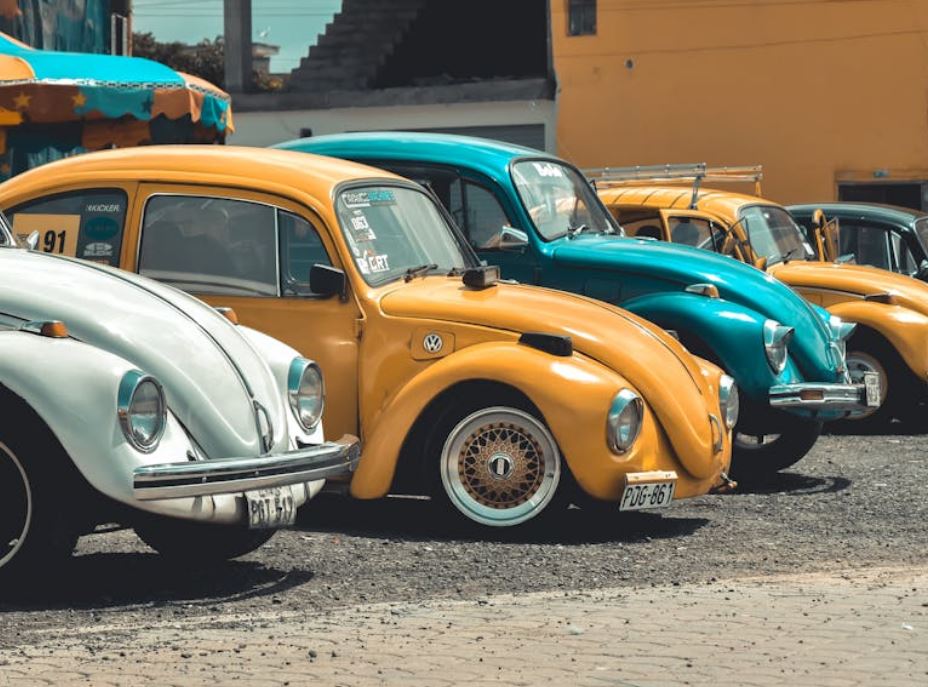
Follow the journey of rare parts and craftsmanship powering classic car restoration worldwide.
When we look at a fully restored vintage vehicle gleaming under the lights of a concours lawn or rumbling down the Pacific Coast Highway, we tend to focus on the aesthetics. We admire the depth of the paint, the stitch work on the leather, and the roar of the engine. However, what remains invisible to the casual observer is the complex web of logistics that enabled the resurrection. A restoration project is rarely a static event that happens in a single garage; it is a dynamic supply chain challenge that spans states and often continents. Before a wrench can even be turned, the vehicle must be located, extracted, and moved to a facility capable of handling the work. This initial phase is often the most precarious, requiring specialized cross-country transport for rare cars to ensure the fragile “barn find” survives the journey to its new home.
Once the vehicle arrives at the shop, the project shifts from extraction to project management. The modern restoration process has evolved into a global scavenger hunt. In the golden age of hot-rodding, you might have scrounged parts from a local junkyard. Today, preserving the provenance of a high-value classic often means sourcing New Old Stock (NOS) components from collectors in Europe, hunting down specific engine blocks in the Midwest, or commissioning bespoke fabrication for parts that simply no longer exist. The project manager isn’t just a mechanic; they are a logistics coordinator, ensuring that a crate engine from Detroit and a reupholstered dash from Italy arrive at the same bay in California at the exact right moment.
This complexity is why discerning collectors usually partner with established custom builders who have deep networks. A solitary mechanic might be a wizard with a wrench, but they may lack the relationships required to source rare glass or the capability to manage the heavy transport of a chassis to a specialized paint facility. The top-tier shops act as the central hub for this activity, absorbing the headache of logistics so the owner can focus on the creative vision. Finding a shop that balances mechanical genius with organizational rigor is the key to a successful build, which is why many enthusiasts turn to trusted experts like those found at www.chimeramotors.com to handle these multifaceted projects.
What You'll Discover:
Excavating the Ghost in the Barn
The romantic image of pulling a tarp off a dusty Ferrari or a forgotten Mustang is a staple of automotive folklore, but the physical reality of extraction is far grittier. When a vehicle has sat dormant for decades, it effectively becomes part of the landscape. Tires disintegrate, brakes seize, and frames can rust, specifically in areas where they contact the dirt floor. Moving a car in this condition is not as simple as winching it onto a flatbed.
The logistics of extraction often require a forensic approach. If the suspension has collapsed, the car cannot be rolled. If the frame is compromised, putting tension on it with a standard tow chain could snap the chassis in half, instantly destroying the car’s value and structural integrity. Professional recovery teams often have to use dollies, cradles, and sometimes even cranes to lift the vehicle vertically before it can be secured for transport. This stage is less about speed and more about stabilization. It is the automotive equivalent of an archeological dig; the goal is to bring the artifact to the lab without crumbling it to dust. The journey from the barn to the restoration shop is often the most dangerous five miles the car will ever travel.
The Geography of Authenticity
Once the car is safely in the shop and stripped down to its bones, the global search for authenticity begins. In the world of high-end restoration, “close enough” is rarely acceptable. If a 1960s Porsche requires a specific Bosch headlight assembly, a modern reproduction often won’t cut it for a purist. This necessitates a supply chain that operates almost entirely on the secondary market.
Restoration shops spend a significant amount of time scouring obscure forums, calling contacts in different time zones, and bidding in foreign currencies to secure the right components. It is not preserving history if you are filling the car with plastic substitutes. This dedication to authenticity means that packages are constantly arriving at the shop. One day it might be a set of gauges returned from a specialist in Switzerland who still knows how to calibrate the clockwork mechanisms; the next day, it might be a pallet of period-correct upholstery fabric that was woven on the original looms. The shop floor becomes a convergence point for materials that have traveled thousands of miles to be reunited in a single chassis.
The Specialist Shuffle
While the “all-under-one-roof” shop is the ideal, the reality of a six-figure build is that some work must be outsourced to hyper-specialized artisans. A general fabrication shop might handle the bodywork, suspension, and assembly, but they might not have the in-house equipment to re-chrome a vintage bumper to show-quality standards or acid-dip a chassis to remove fifty years of oxidation.
This introduces a phase of logistics known as the “specialist shuffle.” The car, or pieces of it, must be transported between vendors without getting lost or damaged. A chemically stripped metal body is incredibly vulnerable to humidity and oils from human skin. Moving it from the dipping facility back to the paint booth requires enclosed, climate-controlled transport to prevent flash rusting. Similarly, sending a matching-numbers engine block out for machining is a high-stakes game. If that block is dropped or lost during shipping, the car loses a massive percentage of its investment value instantly. The restoration shop must maintain a tight chain of custody, tracking every fender and bolt as they move between chromers, upholsterers, and machinists.
The Final Mile and the White Glove Reveal
After months, or sometimes years, of sourcing, shipping, building, and refining, the project enters its final logistical phase: delivery. This is not merely dropping a car off in a driveway. For high-end builds, the delivery is an event in itself. The car is now a pristine object of art. The paint has cured, the leather is perfect, and the engine bay is spotless. Driving it hundreds of miles to the owner’s home is out of the question, as it would expose the flawless finish to rock chips and road grime before the owner has even seen it.
The final mile involves enclosed carriers equipped with hydraulic lift gates designed for vehicles with ultra-low clearance. The drivers who handle these deliveries are often distinct from standard freight haulers; they understand how to start a carbureted V12 without fouling the plugs and how to maneuver a wide-body custom vehicle without scuffing the wheels. When the trailer door opens and the ramp descends, it represents the culmination of thousands of logistical decisions. From the initial extraction from a dusty barn to the importation of rare parts and the careful movement between specialists, the car standing there is a testament not just to mechanical skill but to the mastery of movement and supply chain management. The build is finished, but the journey was everything.