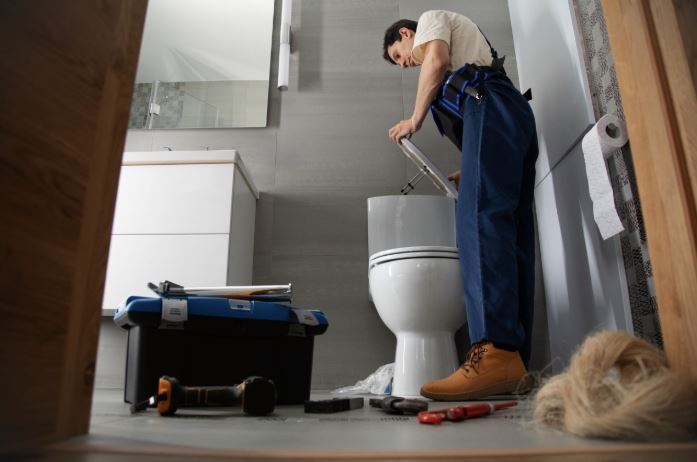
Your sink drains slowly. Water pools around your feet in the shower. The kitchen sink gurgles when you run the dishwasher.
You have a clog. Now you need to decide how to fix it.
The hardware store sells drain cleaners and snakes. YouTube has dozens of DIY videos. But sometimes you need professional help.
Understanding the difference between what you can do yourself and what requires professional drain cleaning Boulder CO helps you make the right choice. Some clogs are simple. Others need special tools and expertise.
Here’s what works for DIY drain cleaning and when to call professionals.
What You'll Discover:
Simple DIY Methods That Actually Work
The Plunger Technique
Plungers work great for simple clogs near the drain opening. They use pressure to push clogs through pipes.
Fill the sink or tub with enough water to cover the plunger cup. This creates the seal needed for pressure. Place the plunger over the drain. Push down firmly, then pull up quickly. Repeat 10 to 15 times. Different plungers work for different drains. Cup plungers work on sinks and tubs. Flange plungers work better on toilets. Using the right type matters.
The plunger technique only works on soft clogs. Hair and soap buildup respond well. Hard objects or grease blockages need different methods.
Boiling Water for Grease
Hot water melts grease clogs in kitchen drains. This only works on metal pipes. Never use boiling water on PVC pipes. The heat can damage them. Boil a full kettle of water. Pour it slowly down the drain in two or three stages. Wait a few seconds between pours. This gives the hot water time to work on the grease.
This method only works on fresh grease clogs. Old, hardened grease needs stronger solutions. It also only works if the clog is close to the drain opening.
Baking Soda and Vinegar
This combination creates a fizzing reaction that can break up small clogs. It’s safe for all pipes and environmentally friendly.
Pour half a cup of baking soda down the drain. Follow with half a cup of white vinegar. Cover the drain with a plug or cloth. Let it sit for 30 minutes. Then flush with hot water.
This works on light soap and hair clogs. It won’t handle serious blockages. But it’s safe to try before using harsher methods.
Manual Drain Snakes
Hand-cranked drain snakes reach clogs that plungers can’t. They work by physically breaking up or hooking clogs.
Feed the snake into the drain slowly. When you feel resistance, you’ve hit the clog. Turn the handle to break it up or hook it. Pull the snake back out slowly. Basic drain snakes reach 15 to 25 feet into pipes. This handles most bathroom sink and tub clogs. They work well on hair and soap combinations.
Using snakes takes practice. Push too hard and you might damage pipes. Not hard enough and you won’t break through the clog.
DIY Methods to Avoid
Chemical Drain Cleaners
Store-bought drain cleaners seem convenient. Pour them in, wait, and the clog disappears. But they cause more problems than they solve.
These chemicals are extremely harsh. They generate heat that can damage pipes, especially older pipes or PVC. They also create dangerous fumes.
Chemical cleaners rarely work on serious clogs. They might clear light blockages. But tough clogs just sit there while chemicals eat away at your pipes. These products are dangerous if they splash. They burn skin and eyes. They’re poisonous if swallowed. Homes with children and pets should never use them.
Professional plumbers hate these chemicals. If you call a plumber after using a drain cleaner, they work with dangerous chemicals still in your pipes. This creates safety hazards.
Wire Coat Hangers
People suggest straightening coat hangers to fish out clogs. This rarely works and often causes damage.
Coat hanger wire is sharp. It scratches pipe interiors. These scratches catch debris and create future clogs. Hangers aren’t long enough for most clogs. They might reach bathroom sink traps. But they can’t handle deeper blockages.
The bends you create in hangers get stuck in pipes. Then you have a bigger problem than the original clog.
Pressure Washers
Some people try using pressure washers to blast clogs. This is extremely dangerous and damages pipes.
The pressure is overly strong for residential plumbing. It can crack pipes, damage joints, and create leaks inside walls. Water forced backward can flood your home. Pressure washers push water in all directions, not just toward the clog.
When DIY Methods Fail
Signs You Need Professional Help
Multiple drains backing up means a main line problem. If your toilet gurgles when you run the kitchen sink, the issue is beyond DIY fixes.
Repeated clogs in the same drain indicate a deeper problem. You might clear it temporarily. But if it clogs again within weeks, something bigger is wrong.
Slow draining throughout your home suggests main sewer line issues. This needs professional diagnosis and repair.
Foul sewage smells coming from drains mean serious problems. This could indicate broken pipes or sewer line damage.
Water backing up into other fixtures is an emergency. When flushing the toilet makes water come up in the shower, call professionals immediately.
What You Can’t Reach
Clogs deep in main lines are beyond DIY reach. These require professional equipment to access and clear. Tree roots growing into sewer lines need professional removal. Roots can completely fill pipes. No DIY method handles this.
Collapsed or broken pipes can’t be fixed with drain cleaning. These require pipe repair or replacement by licensed plumbers.
Professional Drain Cleaning Tools
Motorized Drain Snakes
Professional plumbers use motorized augers much more powerful than hand-crank versions. These reach 100 feet or more into pipes. The motors provide steady, strong rotation. This breaks through tough clogs that stop manual snakes. Different attachments handle different clog types.
Professionals know how to use these without damaging pipes. They understand pipe materials and the appropriate pressure for each type.
Hydro-Jetting Equipment
Hydro-jetting uses high-pressure water to completely clean pipes. This removes not just clogs but also buildup on pipe walls. The pressure is carefully controlled. Too much damages pipes. Too little doesn’t clean effectively. Professional equipment has precise controls.
Hydro-jetting clears grease, scale, and tree roots. It leaves pipes as clean as new. This prevents future clogs much better than just breaking through current blockages.
This method requires camera inspection first. Professionals check pipe condition before hydro-jetting. Damaged pipes can’t handle the pressure.
Video Camera Inspection
Professional plumbers use tiny cameras to see inside pipes. This shows exactly where clogs are and what causes them.
Cameras reveal pipe damage, cracks, and corrosion. This prevents guesswork about what’s wrong. Video inspection saves money long-term. Knowing the exact problem prevents unnecessary repairs. It also shows when repairs are actually necessary.
Professional Expertise Matters
Diagnosing Root Causes
Professionals don’t just clear clogs. They figure out why clogs happen. This prevents repeating problems.
Recurring clogs might indicate improper pipe slope. They could mean damaged pipes catching debris. Or they might show inadequate pipe size for current use. Tree root invasion requires specific solutions. Professionals identify which trees cause problems and where roots enter pipes.
Preventing Pipe Damage
Professional plumbers understand different pipe materials. They know what methods work safely on each type.
Older homes often have fragile pipes. Aggressive DIY methods crack these pipes. Professionals use appropriate techniques for pipe age and condition. PVC, cast iron, and copper pipes all require different approaches. What works on one damages another. Professionals adjust methods accordingly.
Code Compliance
Professional work meets building codes. This matters when selling your home or making insurance claims.
DIY fixes sometimes create code violations. These cause problems during home inspections.
Licensed plumbers guarantee their work. If problems return, they fix them at no additional cost.
Cost Considerations
DIY Costs
Basic drain cleaning supplies cost $10 to $50. Plungers, baking soda, and vinegar are cheap.
Manual drain snakes cost $15 to $40. These are one-time purchases you can use repeatedly.
Your time has value, too. Spending hours fighting a clog costs you in other ways.
Failed DIY attempts add up. Buying multiple products that don’t work wastes money.
Professional Costs
Professional drain cleaning typically costs $100 to $300 for standard clogs. Complex issues cost more.
This includes proper diagnosis, right equipment, and guaranteed results. You pay for expertise and efficiency.
Emergency service costs extra. Nights, weekends, and holidays have higher rates. Non-emergency calls during business hours cost less.
Prevention services cost less than emergency repairs. Regular maintenance prevents major problems.
Preventing Future Clogs
Daily Habits
Use drain screens to catch hair and food particles. These simple devices prevent most clogs.
Never pour grease down drains. It solidifies in pipes, creating blockages. Put grease in containers and throw them away.
Run hot water after usingthe sinks. This flushes debris through pipes before it accumulates.
Avoid putting coffee grounds, eggshells, and fibrous foods down garbage disposals. These create tough clogs.
Regular Maintenance
Flush drains monthly with hot water. This prevents buildup from becoming problems.
Use baking soda and vinegar treatments monthly as prevention. This keeps pipes clear before clogs form.
Schedule professional drain cleaning annually. This catches small problems before they become emergencies.
Making the Right Choice
Simple clogs near drain openings work for DIY methods. Hair in bathroom sinks. Light soap buildup. These respond to plungers and manual snakes.
Multiple clogged drains need professionals. Main line problems are beyond DIY capabilities.
Recurring clogs require professional diagnosis. Something causes repeated problems. Professionals identify and fix root causes.
Your comfort level matters. If DIY methods stress you out or don’t work after reasonable attempts, call professionals.
Don’t waste time and money on methods that won’t work. Serious clogs need professional attention. Trying DIY first is fine for simple problems. But know when to stop and call experts.
Your plumbing system is too important to damage with inappropriate repair attempts. When in doubt, get professional help. It costs less than fixing damage from failed DIY repairs.