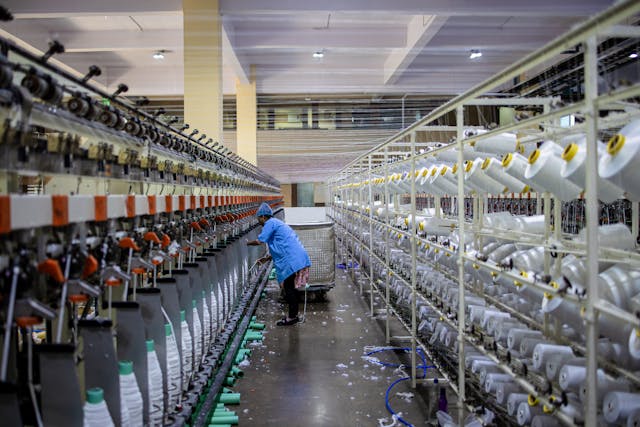
Navigate the world of modern textile sourcing. Learn how to find sustainable, high-quality fabrics that will elevate your brand.
The textile industry is experiencing a massive shift. Brands no longer rely solely on basic cotton or polyester. Instead, they are turning to modern textiles that offer advanced performance, eco-friendly benefits, and smart capabilities. Finding the right materials can dictate the success of a product line, making the sourcing process a critical operation for any apparel, home goods, or industrial company.
What You'll Discover:
Key Considerations for Sourcing
Selecting the right textiles involves much more than picking a color and checking the price tag. Companies must evaluate suppliers across several strict criteria to ensure long-term success.
Sustainability and Ethical Production
Environmental impact is a top priority for modern consumers. Buyers want to know that the clothes they wear or the products they use do not harm the planet. When sourcing materials, you must look for suppliers that minimize water usage, reduce chemical waste, and utilize renewable energy. Ethical production is equally important. Brands must verify that factories provide fair wages and safe working conditions. Partnering with certified suppliers protects your brand reputation and supports a healthier global workforce.
Technological Advancements
Fabric engineering has reached new heights. Suppliers now offer materials that regulate body temperature, block UV rays, and resist bacteria. You must identify factories capable of producing these specialized goods to exact specifications. For example, medical and hygiene brands often require a specific custom non-woven fabric to meet strict safety and durability standards. Finding a manufacturing partner with the right machinery and technical expertise is essential to bring these innovative products to market.
Challenges in Textile Sourcing
Even the most prepared companies face hurdles when securing raw materials. The global nature of the textile trade introduces a variety of risks.
Supply Chain Complexities
Moving materials across borders requires navigating tariffs, customs regulations, and unpredictable shipping schedules. Political instability or natural disasters in a manufacturing region can halt production entirely. Businesses must build resilient supply chains to avoid costly stock shortages.
Quality Control
Maintaining consistent quality is difficult when your supplier is located thousands of miles away. A minor miscommunication regarding dye lots or fabric weight can result in an entire shipment of unusable goods. Without a presence on the factory floor, companies often struggle to catch defects before the products ship.
Best Practices for Businesses
Navigating the sourcing process requires a proactive approach. You can minimize risks and build stronger supplier partnerships by implementing a few core strategies.
First, diversify your supplier base. Relying on a single factory or geographic region leaves your business vulnerable to disruptions. Establish relationships with secondary suppliers who can step in if your primary partner faces delays.
Second, invest in rigorous quality assurance. Request multiple prototype samples before approving a massive production run. Many successful brands hire independent third-party inspectors to visit factories and verify product quality before the textiles are loaded onto cargo ships.
Finally, prioritize clear communication. Draft detailed specification sheets that outline exact material requirements, acceptable tolerances, and testing standards. Transparency prevents costly misunderstandings and builds trust between your purchasing team and the manufacturer.
Future Trends to Watch
The textile industry will continue to evolve rapidly over the next decade. Bio-based synthetics made from algae and agricultural waste are gaining traction as alternatives to petroleum-based plastics. These materials offer the durability of traditional synthetics without the environmental guilt.
Smart textiles are also moving from niche applications to mainstream consumer goods. Fabrics embedded with conductive threads can monitor heart rates, track movement, and even change color based on environmental stimuli. Brands that experiment with these innovations early will capture the attention of tech-savvy buyers.
Additionally, the push for a circular economy is changing how textiles are sourced. Manufacturers are developing new methods to recycle blended fabrics back into raw fibers, closing the loop on textile waste.
Conclusion
Upgrading your textile sourcing operations takes time and careful planning. Start by auditing your current suppliers. Ask them for their latest sustainability certifications and review their quality control procedures. Identify any gaps in their capabilities that might hold your product development back.