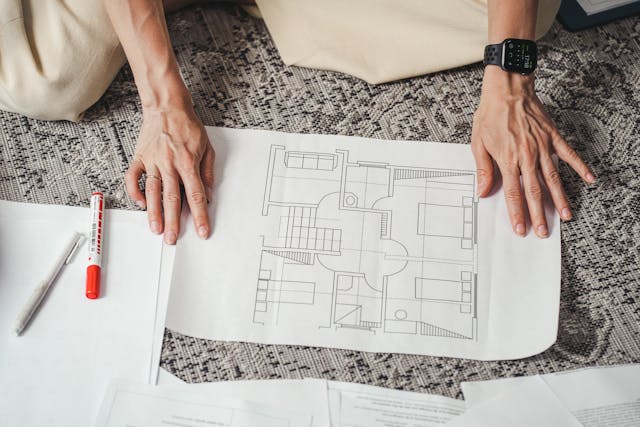
Explore one bedroom house floor plans that maximize space, comfort, and style, smart layouts for simple, modern living.
One bedroom house floor plans are home layouts designed with a single bedroom, optimized to use limited space efficiently while maintaining comfort, privacy, and functionality. They are popular for singles, couples, retirees, and minimalist lifestyles.
I remember the first time I seriously looked at one bedroom house floor plans. Not on Pinterest for fun. Not as a “someday” dream. But because life had quietly shifted.
My priorities were changing.
My tolerance for clutter was shrinking.
My idea of “enough” was evolving.
A large house suddenly felt like a backpack filled with things I didn’t need to carry.
And yet, when I first thought about a one-bedroom home, I worried: Will it feel cramped? Will I get bored of the same walls? Will it still feel like a real home?
What surprised me was this: a well-designed one bedroom house floor plan doesn’t feel small. It feels intentional.
It’s not about less space.
It’s about smarter space.
Let’s figure this out together, step by step.
What You'll Discover:
Why One Bedroom House Floor Plans Are Gaining Popularity
One bedroom house floor plans are no longer just “starter homes” or retirement downsizes. They’ve become a lifestyle choice.
Rising Costs Are Changing Priorities
Housing prices and rent have pushed many people to rethink what they truly need.
“Smaller homes often mean lower mortgages, lower utility bills, and lower maintenance costs.”
That’s not marketing talk, it’s lived reality for many homeowners.
When your house costs less to run, your life has more breathing room.
Minimalism Is No Longer a Trend, It’s a Mindset
People are asking different questions now:
- Do I need three guest rooms used twice a year?
- Do I want to clean 2,500 sq ft every weekend?
- Do I want space, or do I want freedom?
A one-bedroom layout quietly answers these.
Remote Work Changed the Equation
Ironically, working from home made some people want smaller, not bigger.
Why?
Because they wanted separation.
A cozy, efficient home.
A life where space supports focus, not distraction.
What Makes a Great One Bedroom House Floor Plan?
Not all one bedroom house floor plans are equal. Some feel airy and open. Others feel like a box with furniture squeezed in.
The difference lies in design decisions.
1. Open-Concept Living Areas
A combined kitchen, dining, and living space can visually double your perceived area.
Walls divide rooms.
But they also divide energy and light.
Open layouts allow:
- Natural light to travel
- Easier socializing
- Flexible furniture placement
A small home should never feel segmented like a maze.
2. Smart Bedroom Placement
In great one bedroom house floor plans, the bedroom isn’t just “a room with a bed.”
It’s a retreat.
Best practices include:
- Placing it away from street noise
- Giving it direct bathroom access
- Allowing for natural light but privacy
A good bedroom makes a small home feel luxurious.
3. Storage That Hides in Plain Sight
Here’s a quotable truth:
“In small homes, storage is not optional, it’s architectural.”
Look for:
- Built-in shelves
- Under-bed storage
- Wall-mounted cabinets
- Multi-use furniture
Clutter shrinks space faster than square footage.
4. Outdoor Extensions
A patio, balcony, or small garden can transform a one-bedroom layout.
Outdoor space acts like a second living room.
Even 100 extra square feet outside can psychologically expand the home.
Popular Types of One Bedroom House Floor Plans
Let’s explore real variations. Because “one bedroom” doesn’t mean one style.
Studio-Plus Layout
This is a hybrid between a studio and a one-bedroom.
- Partial wall or sliding divider
- Flexible sleeping area
- Highly space-efficient
Great for urban settings.
But not ideal if you crave strong separation.
Traditional Closed Layout
Classic and predictable.
- Separate rooms
- Defined kitchen
- Clear bedroom privacy
Some people find it comforting. Others find it restrictive.
It depends on your personality.
Open Loft-Style Plan
Often seen in modern or industrial designs.
- High ceilings
- Fewer interior walls
- Visual openness
Perfect for those who value aesthetics and airiness.
Tiny House One Bedroom Plans
Tiny homes push creativity to the edge.
- Lofted beds
- Foldable furniture
- Micro-kitchens
“Tiny homes prove that smart design can outperform large square footage.”
But they require discipline.
And not everyone enjoys that.
The Emotional Side of Small Living
This is rarely discussed in architecture blogs.
A smaller home changes your habits.
You become more aware of what you own.
You buy with intention.
You clean faster.
You host differently.
Some people feel liberated.
Others feel constrained.
There’s no universal answer.
But many homeowners say something similar:
“A smaller home made my life feel bigger.”
Common Mistakes in One Bedroom House Floor Plans
Let’s be honest, some designs fail.
Oversized Furniture
A large sectional can suffocate a small living room.
Scale matters more than style.
Ignoring Vertical Space
Walls are storage opportunities.
If you’re not building up, you’re wasting potential.
Poor Lighting Design
One ceiling light isn’t enough.
Layered lighting (ambient, task, accent) can reshape how a room feels.
Light is architecture’s silent partner.
No Flex Space
A tiny nook for a desk or hobby can make a huge difference.
People underestimate how much they need a “me corner.”
Who Should Consider One Bedroom House Floor Plans?
These layouts aren’t for everyone. And that’s okay.
They’re ideal for:
- Singles
- Couples without kids
- Retirees
- Digital nomads
- Minimalists
- First-time buyers
- Rental investors
They’re less ideal for:
- Large families
- Frequent long-term guests
- People who collect… a lot
Self-awareness matters here.
Cost Benefits You Can’t Ignore
Let’s talk numbers in a practical sense.
Smaller homes typically mean:
- Lower construction costs
- Reduced energy bills
- Lower property taxes (location-dependent)
- Less maintenance
That financial relief can fund travel, business, or savings.
A home shouldn’t trap your money.
It should support your life.
Comparative Section: Small vs Larger Homes
| Feature | One Bedroom Plans | Larger Homes |
| Cost | Lower | Higher |
| Cleaning Time | Minimal | Significant |
| Utility Bills | Lower | Higher |
| Privacy | Good for 1–2 people | Better for families |
| Flexibility | Limited rooms | More room options |
| Lifestyle Fit | Minimalist | Expansive living |
Neither is superior.
They serve different lives.
How to Choose the Right One Bedroom Floor Plan
Ask yourself:
- Do I host guests often?
- Do I work from home?
- Do I value openness or separation?
- How much storage do I need?
- Do I enjoy minimalism or just admire it online?
Your answers shape the right layout.
A floor plan should match your behavior, not your fantasies.
Future-Proofing a One Bedroom Home
Smart design thinks ahead.
Ideas include:
- Convertible office/guest areas
- Expandable decks
- Flexible partitions
- Multi-functional furniture
Life changes.
Good design adapts.
FAQ’s
Are one bedroom house floor plans good for resale?
Yes. They attract singles, couples, and investors, especially in urban areas where smaller homes are in demand.
What is the ideal size for a one-bedroom house?
Many range from 500–900 sq ft, but smart layouts matter more than size.
Can a one-bedroom home feel spacious?
Absolutely. Open layouts, natural light, and smart storage can make small homes feel large.
Are they cheaper to build?
Generally yes, because of smaller size and material needs.
Do one-bedroom homes work for couples?
Yes, if both value efficiency and shared living.
Key Takings
- One bedroom house floor plans prioritize efficiency over excess.
- Smart layouts can make small spaces feel open and calm.
- Storage and lighting are game changers.
- They reduce costs and simplify living.
- Not everyone enjoys small-space life, and that’s okay.
- The best plan matches your real lifestyle, not trends.
- A smaller home can create a bigger life.
Additional Resources:
- American Institute of Architect: professional insights on residential design and space planning principles.
- U.S. Department of Housing and Urban Development: housing data, affordability guides, and planning resources.