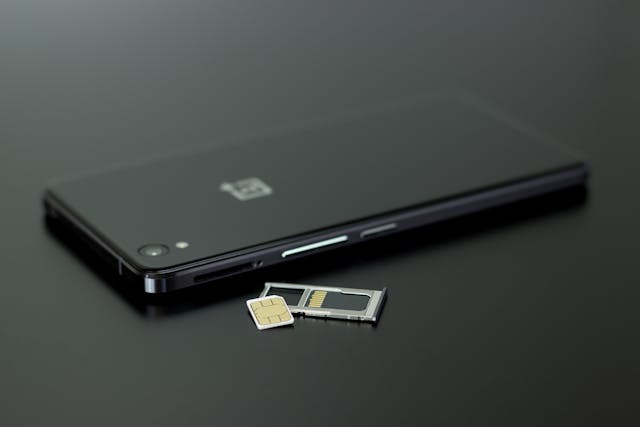
Is TracFone the same as Straight Talk? Learn who owns them, how they differ, and which prepaid carrier fits your needs best.
No, TracFone and Straight Talk are not exactly the same service, but they are closely connected. Straight Talk began as a brand under TracFone Wireless, and today both are owned by Verizon. They share infrastructure and ownership, yet they offer different plans, pricing structures, and customer experiences.
The first time I tried figuring out whether TracFone and Straight Talk were the same thing, I ended up opening twelve browser tabs and somehow became even more confused.
One website said they were different carriers. Another said they were the same company. Then someone on Reddit casually mentioned that “it’s basically the same thing,” while a telecom article insisted there were important distinctions.
At some point, it started feeling less like shopping for a phone plan and more like tracing family members on a complicated family tree.
The confusion makes sense.
Both brands sit in the prepaid wireless world. Both have been connected for years. Both now fall under Verizon’s umbrella. Yet they still operate as separate brands with different goals.
So if you’re standing in a Walmart aisle staring at a Straight Talk SIM card while already using TracFone, or wondering whether switching between them changes anything, here’s the real answer.
It’s simpler than the marketing makes it seem.
What You'll Discover:
What Is TracFone?
TracFone is one of America’s largest prepaid wireless providers.
Instead of building its own cell towers, TracFone historically operated as a Mobile Virtual Network Operator (MVNO). That means it purchased access from major networks and resold wireless service under various brands.
Think of it like a grocery store brand.
The store doesn’t grow the food itself. It uses infrastructure that already exists and packages it differently for customers.
For years, TracFone built an entire ecosystem of prepaid brands, including:
- Straight Talk
- Total Wireless
- Net10 Wireless
- Simple Mobile
- SafeLink
- Walmart Family Mobile
Many consumers never realized these brands were connected because each one was marketed differently.
That’s where much of today’s confusion originates.
What Is Straight Talk?
Straight Talk is a prepaid wireless brand that originally operated under the TracFone umbrella.
Rather than functioning as a completely separate carrier, Straight Talk was one of TracFone’s most successful consumer-facing brands. It focused heavily on unlimited plans, nationwide retail distribution, and customers looking for lower-cost alternatives to major carriers.
Here’s the easiest way to visualize it:
TracFone was the parent company.
Straight Talk was one of its products.
It’s similar to how a car manufacturer owns multiple vehicle models. The manufacturer and the model are related, but they aren’t identical.
That distinction matters.
Because when people ask, “Is TracFone the same as Straight Talk?” they’re really asking whether the brand relationship means the services themselves are identical.
The answer is no.
Related? Absolutely.
Identical? Not quite.
The Ownership Story Changed Everything
One of the biggest shifts happened when Verizon acquired TracFone Wireless.
Verizon announced plans to purchase TracFone and later completed the acquisition, bringing TracFone and all of its associated brands, including Straight Talk, under Verizon ownership.
That means today:
- Verizon owns TracFone.
- Verizon owns Straight Talk.
- Verizon owns several other former TracFone brands.
According to Verizon, the acquisition included Straight Talk, TracFone, Total Wireless, SafeLink, and other prepaid brands.
A simple quote worth remembering:
“Straight Talk is owned by Verizon because Verizon acquired TracFone Wireless in 2021.”
That single fact clears up a surprising amount of confusion.
Why People Think TracFone and Straight Talk Are the Same
There are several reasons consumers mix them up.
They Share Ownership
Today, both brands belong to Verizon.
From the outside, that alone makes them look identical.
But ownership doesn’t automatically mean identical products.
Ford owns multiple vehicle brands. Disney owns multiple entertainment properties. Verizon owns multiple wireless brands.
Different labels can still serve different audiences.
They Often Use the Same Network
Historically, TracFone brands operated across multiple networks.
Following Verizon’s acquisition, many services increasingly rely on Verizon’s network infrastructure.
This means coverage can feel very similar.
If two restaurants use the same kitchen but offer different menus, customers may assume they’re the same restaurant.
That’s essentially what’s happening here.
They Are Sold in the Same Places
Walk into Walmart, Target, or many electronics stores and you’ll often find both brands sitting a few feet apart.
That physical proximity reinforces the perception that they’re interchangeable.
Sometimes they are.
Sometimes they aren’t.
That’s where details matter.
TracFone vs Straight Talk: The Real Differences
Although they’re connected, the customer experience isn’t identical.
TracFone Focuses on Flexibility
TracFone historically became known for:
- Pay-as-you-go plans
- Low-usage customers
- Budget-conscious users
- Extended service periods
- Limited monthly data options
Many TracFone users simply want a phone that works.
No frills.
No giant monthly bill.
Just reliability.
A retired parent who makes a few calls each week often fits TracFone’s target audience perfectly.
Straight Talk Focuses on Unlimited Usage
Straight Talk generally appeals to people who use their phones heavily.
Common features include:
- Unlimited talk and text
- Larger data allocations
- Unlimited data plans
- Smartphone-focused experiences
- Family plan options
If TracFone feels like a compact economy car, Straight Talk feels closer to a mid-sized sedan.
Both get you where you’re going.
One simply offers more room.
Customer Expectations Differ
This difference is subtle but important.
TracFone customers often prioritize affordability.
Straight Talk customers often prioritize value.
Those sound similar.
They’re not.
Affordability asks, “What’s the cheapest workable option?”
Value asks, “What’s the most service I can get for my money?”
That distinction shapes both brands.
Comparison Table: TracFone vs Straight Talk
| Feature | TracFone | Straight Talk |
| Ownership | Verizon | Verizon |
| Original Relationship | Parent brand | TracFone sub-brand |
| Main Audience | Light users | Heavy smartphone users |
| Plan Style | Pay-as-you-go and prepaid | Mostly unlimited prepaid |
| Data Usage | Lower usage options | Higher usage options |
| Retail Presence | Nationwide | Nationwide |
| Network Access | Verizon-based infrastructure | Verizon-based infrastructure |
| Contract Required | No | No |
Sources: Verizon acquisition announcements and industry carrier analysis.
Does Straight Talk Use the Same Towers as TracFone?
In many cases, yes.
Because both brands now sit within Verizon’s prepaid ecosystem, customers frequently access similar network infrastructure.
However, tower access isn’t the whole story.
Wireless service also involves:
- Data prioritization
- Plan restrictions
- Device compatibility
- Hotspot allowances
- Customer support systems
Two people can stand under the same cell tower and still have different wireless experiences.
That’s why comparing brands solely based on coverage can be misleading.
Can You Switch Between TracFone and Straight Talk?
Generally, yes.
Many customers move between the brands depending on pricing, data needs, or promotional offers.
Real-world discussions from users show that devices can often be transferred or reactivated between the two services, although compatibility depends on the phone model, network configuration, and account status.
This creates an unusual situation.
You’re not necessarily moving between competing companies.
You’re often moving between different brands owned by the same corporate family.
It’s like changing hotel brands while staying under the same parent company.
The sign outside changes.
The ownership often doesn’t.
Is Straight Talk Better Than TracFone?
This question sounds simple.
It isn’t.
The answer depends entirely on how you use your phone.
Straight Talk May Be Better If:
- You stream videos daily.
- You use significant mobile data.
- You need unlimited plans.
- You rely on your phone for work.
- You want more smartphone-centric features.
TracFone May Be Better If:
- You use minimal data.
- You mainly call and text.
- You want the lowest possible cost.
- You don’t need unlimited service.
- You use your phone occasionally.
Neither option is universally better.
They’re solving different problems.
And that’s often what gets lost in online comparisons.
The Contradiction Nobody Talks About
Here’s where things become interesting.
Many consumers spend hours comparing TracFone and Straight Talk as if they’re rival companies fighting for market dominance.
Technically, they aren’t.
Today, both ultimately sit within Verizon’s broader prepaid strategy.
Yet the competition still feels real.
Why?
Because brands shape perception.
A customer comparing Coca-Cola products doesn’t necessarily care who owns what behind the scenes.
They care about what appears on the label.
Wireless carriers work similarly.
Corporate ownership matters less than the day-to-day experience of using the service.
What Changed After Verizon Bought TracFone?
The acquisition reshaped the prepaid wireless landscape.
Verizon gained control of:
- TracFone
- Straight Talk
- Total Wireless
- Net10
- SafeLink
- Other TracFone brands
Industry analysts viewed the deal as Verizon’s major push into the value-focused prepaid market.
A useful quote:
“Verizon’s acquisition brought TracFone and Straight Talk under the same corporate ownership.”
Consumers noticed gradual changes afterward, including increased alignment with Verizon’s network ecosystem.
The brands remained separate.
The ownership didn’t.
Why the Confusion Will Probably Continue
Even after learning the facts, many people still leave with questions.
That’s understandable.
Wireless companies rarely explain their relationships in plain English.
Marketing focuses on brand identity.
Corporate structures stay hidden in the background.
So consumers see:
- Different logos.
- Different websites.
- Different plans.
Naturally, they assume they’re different companies.
Then they discover both belong to Verizon and wonder if they’ve been comparing the same thing all along.
In a way, they have.
And in a way, they haven’t.
That’s the strange reality of modern prepaid wireless brands.
FAQ: Is TracFone the Same as Straight Talk?
Is TracFone the same company as Straight Talk?
Not exactly. Straight Talk started as a brand under TracFone Wireless. Today both brands are owned by Verizon, but they continue operating as separate prepaid services.
Does Verizon own TracFone and Straight Talk?
Yes. Verizon completed its acquisition of TracFone Wireless in 2021, gaining ownership of Straight Talk and other TracFone brands.
Is Straight Talk just TracFone?
No. Straight Talk is one brand within the broader TracFone family. While related, the plans and target customers differ.
Do TracFone and Straight Talk use the same network?
In many cases, yes. Following Verizon’s acquisition, both brands largely operate within Verizon’s wireless ecosystem.
Which is cheaper: TracFone or Straight Talk?
TracFone is often cheaper for light users, while Straight Talk generally offers more value for customers needing larger amounts of data or unlimited plans.
Key Takings
- TracFone and Straight Talk are connected but not identical.
- Straight Talk originally operated as a brand under TracFone Wireless.
- Verizon acquired TracFone and all associated brands in 2021
- Both services now operate under Verizon ownership.
- TracFone typically appeals to lighter phone users.
- Straight Talk focuses more on unlimited and data-heavy usage.
- Understanding the difference between ownership and branding explains why the question “is TracFone the same as Straight Talk” creates so much confusion.
Additional Resources
- FCC Wireless Consumer Guides: Understanding mobile carriers, wireless rights, phone unlocking policies, and consumer protections in the U.S.