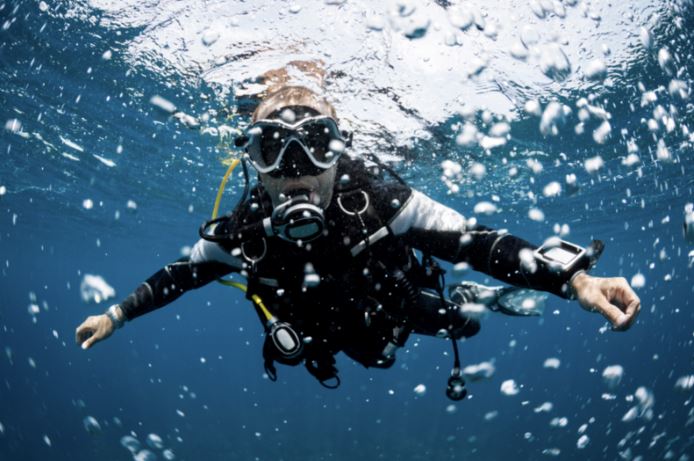
Is there a weight limit for scuba diving? Learn how body type, gear fit, and safety factors affect your diving experience.
Scuba diving is one of the most accessible water activities, welcoming people of different ages, body types, and fitness levels. Unlike skydiving or other sports with strict physical restrictions, scuba diving does not have a universal weight limit. However, divers should understand how body composition, equipment fit, and safety considerations affect the experience. Just as travelers plan the best time to visit Bali for favorable conditions, divers benefit from knowing how personal factors influence underwater safety and comfort.
What You'll Discover:
Is There a Weight Limit for Scuba Diving?
There is no fixed global weight limit for scuba diving. Instead, dive operators focus on ensuring that equipment fits properly, buoyancy can be controlled, and the diver is medically fit to participate. While heavier individuals may require adjustments in gear or buoyancy compensation, the emphasis is always on safety rather than exclusion. In practice, preparing for a deep dive highlights how important proper equipment fit and buoyancy management are, since these factors directly influence safety and comfort underwater.
Why the Weight Limit Exists
Although scuba diving does not impose strict weight restrictions, certain physical principles explain why body size and equipment fit matter.
Buoyancy Control
Divers rely on buoyancy control devices (BCDs) to maintain stability underwater. A larger body mass may require more air volume or weight adjustments to achieve neutral buoyancy. Proper calibration ensures safe ascents and descents.
Equipment Fit and Security
Scuba gear, including wetsuits, harnesses, and tanks, must fit securely. Ill-fitting equipment can compromise safety, especially if straps or seals fail under pressure. Dive centers often stock a range of sizes, but extreme variations may require custom solutions.
Tank Capacity and Air Consumption
Body size can influence air consumption rates. Larger divers may use oxygen more quickly, which shortens dive times. Instructors account for this by planning conservative dive profiles and monitoring air levels closely.
Instructor Safety and Training
Dive instructors are trained to manage groups of varying body types. Ensuring that each diver can safely enter, exit, and maneuver underwater is part of professional responsibility.
Is There a Minimum Weight to Dive?
Children and smaller individuals can dive, but most organizations recommend a minimum age and weight to ensure proper equipment fit. Typically, junior divers start around 10–12 years old, with gear scaled to their size.
What If You’re Over the Limit?
Divers who exceed recommended weight ranges are not automatically excluded. Instead, instructors assess fitness, buoyancy control, and equipment availability. In some cases, specialized gear or tailored dive plans are provided.
What If You’re Close to the Limit?
If a diver is near the upper range of recommended equipment sizes, instructors may suggest adjustments such as larger BCDs or additional weights. The goal is to maintain comfort and safety without restricting participation.
Can You Lose Weight for Diving?
While weight loss is not a requirement, maintaining general fitness improves stamina and air consumption underwater. Divers who feel more comfortable physically often enjoy longer, more relaxed dives.
How Dive Centers Enforce Safety Standards
Dive centers prioritize safety through medical questionnaires, equipment checks, and instructor oversight. Rather than enforcing strict weight limits, they focus on ensuring divers can safely manage gear and underwater conditions. A well-established dive center in Nusa Penida follows these same principles, adapting equipment and guidance to match the needs of different divers while maintaining consistent safety standards.
Conclusion
Scuba diving does not impose a strict weight limit, but safety depends on proper equipment fit, buoyancy control, and overall fitness. Dive centers worldwide accommodate a wide range of divers, focusing on adjustments rather than restrictions. Just as choosing the best time to visit Bali enhances a travel experience, understanding how body composition interacts with diving conditions ensures a safer and more enjoyable underwater adventure.