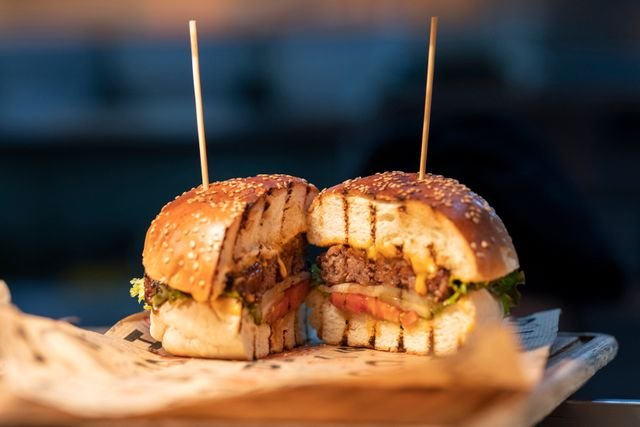
How long after wisdom teeth removal can I eat a burger? Learn the safest timing, warning signs, and tricks for eating comfortably.
Most people should wait about 1–2 weeks before eating a regular burger, provided healing is going normally and soft foods no longer cause pain. A particularly difficult or surgical extraction may require longer, while your dentist or oral surgeon’s instructions should take priority.
The important issue isn’t the burger itself. It is the chewing, pressure, heat, and food particles that can irritate a healing extraction site or interfere with the blood clot protecting the socket.
What You'll Discover:
Why You Shouldn’t Rush Into a Burger
A burger looks harmless compared with crunchy chips or nuts, but it can be surprisingly demanding on a healing mouth.
The bun requires repeated biting, the meat can be chewy, and toppings such as lettuce, onions, pickles, or sesame seeds can leave small particles around the extraction site. If you have swelling or limited jaw movement, opening wide enough to bite a burger may also be uncomfortable.
After an extraction, a blood clot forms in the empty socket and helps protect the underlying bone and nerves while healing begins. Disrupting that area can contribute to complications such as dry socket.
A burger is usually a “comfort and healing” decision, not a strict calendar-date decision.
That’s why two people who had wisdom teeth removed on the same day may reasonably return to burgers at different times.
How Long After Wisdom Teeth Removal Can I Eat a Burger?
For an uncomplicated extraction, around 7–14 days is a reasonable general window for trying a normal burger, assuming your symptoms are clearly improving and you can already tolerate softer solid foods.
There is no universal day when every patient can safely eat one. The American Association of Oral and Maxillofacial Surgeons recommends a soft diet during the first few days and gradually introducing solid foods as you become comfortable. Cleveland Clinic similarly recommends soft foods for roughly the first three to five days before adding more solid foods according to comfort.
A burger therefore belongs toward the later end of that progression rather than immediately after surgery.
A practical timeline
| Time after extraction | What eating usually looks like | Burger? |
| First 24 hours | Very soft/liquid foods | No |
| Days 2–3 | Soft foods requiring little chewing | Usually no |
| Days 3–5 | Gradually increasing soft solids | Usually wait |
| Days 5–7 | More substantial foods if comfortable | Maybe a very soft version |
| Days 7–14 | Gradual return toward normal eating | Often reasonable if healing well |
| 2+ weeks | Normal diet for many uncomplicated cases | Generally easier |
This is a guide, not a prescription. A difficult extraction, multiple wisdom teeth removed at once, persistent swelling, or complications can change the timeline.
When Is It Safe to Try a Burger?
The best test is not simply counting days. Check how your mouth is behaving.
You are more likely to be ready when you can:
- Chew soft solid foods without significant pain.
- Open your mouth comfortably.
- Eat without renewed bleeding.
- Have swelling that is steadily improving.
- Avoid significant tenderness around the extraction sites.
- Bite and chew without feeling pressure or throbbing at the sockets.
If scrambled eggs, pasta, soft chicken, or other easy-to-chew foods still hurt, a thick burger is probably jumping several steps ahead.
If chewing soft solids still hurts, you’re probably not ready for a regular burger yet.
This approach is especially useful because recovery varies considerably between patients.
How to Eat a Burger Safely After Wisdom Teeth Removal
Once you’re ready, you don’t necessarily have to attack a giant double cheeseburger like nothing happened.
Start with the easiest version you can find.
Choose a soft, simple burger
A soft bun and tender patty are preferable to a heavily toasted bun and tough, oversized piece of meat.
For your first burger, consider removing ingredients that are particularly chewy, crunchy, spicy, or likely to become lodged around the extraction area.
Good first choices include:
- A soft bun
- A tender, thin patty
- Mild cheese
- Soft sauces
- Well-cooked ingredients
Be more cautious with sesame-seed buns, raw onions, crunchy lettuce, crispy bacon, tough meat, jalapeños, and heavily toasted bread.
Cut it into smaller pieces
You don’t need to take a huge bite.
Cutting the burger into manageable pieces reduces how widely you need to open your jaw and can make chewing much easier. Eat slowly and use the side of your mouth that is more comfortable, if your dental professional has not told you otherwise.
Don’t force chewing through pain
A little stiffness is different from sharp or increasing pain.
If every bite produces pain at the extraction site, stop. Your body is giving you useful information, and waiting another few days is usually preferable to turning dinner into an unnecessary setback.
Keep the area clean afterward
Food particles can collect around healing extraction sites. After the first 24 hours, gentle rinsing with warm salt water is commonly recommended, but vigorous swishing can disturb healing tissues. Follow your surgeon’s specific cleaning instructions.
Do not aggressively poke the socket with a toothpick or other object to remove food.
What If I Really Want a Burger After 3 Days?
Three days is generally early for a conventional burger, particularly if the extraction involved impacted wisdom teeth or surgical removal.
Cleveland Clinic advises a soft-food diet for the first three to five days, while AAOMS recommends avoiding hard, chewy, crunchy, hot, and spicy foods during the early recovery period.
If you’re craving burger flavor, you can make the meal much gentler without eating a standard burger. For example, a very soft minced-meat dish with mashed potatoes can provide a similar savory meal without requiring prolonged chewing.
The goal isn’t to avoid solid food forever. It’s to give the extraction site time to move through the vulnerable early stage.
What About a Burger After 5 Days?
At five days, some people can begin handling more substantial foods, but a normal burger may still be uncomfortable.
If your swelling is declining, your pain is mild, and you’ve already tolerated foods such as pasta, eggs, soft rice, or tender fish, you may be able to experiment with a very soft, small burger.
However, don’t confuse “I can physically chew this” with “my extraction site has completely healed.” The gum and underlying socket continue healing after you return to normal activities and foods.
What About a Burger After 7 Days?
One week is a much more reasonable point for many people to consider a burger, provided recovery has been uncomplicated.
A useful approach is to choose a small, soft burger, cut it into pieces, chew gently, and stop if you notice pain or pressure at the extraction site.
If you had all four wisdom teeth removed, had impacted teeth, required bone removal, or are still dealing with substantial swelling or jaw stiffness, you may need more time.
Does Dry Socket Change the Answer?
Absolutely.
Dry socket occurs when the protective blood clot is lost or fails to remain in place before the extraction site has adequately healed. It can expose underlying bone and nerves and cause significant pain.
Pain from dry socket often appears or becomes noticeably worse one to three days after extraction, rather than simply improving each day. Other possible symptoms include bad breath, a foul taste, and pain that can radiate toward the ear, temple, eye, or neck.
If you develop new or worsening severe pain after initially improving, don’t try to solve the problem by changing your diet alone. Contact your dentist or oral surgeon.
Foods to Avoid While You’re Still Healing
A burger isn’t the only food worth postponing.
During the early recovery period, dental and oral-surgery guidance commonly recommends avoiding foods that are hard, crunchy, chewy, spicy, very hot, or prone to becoming trapped around the surgical site.
That includes foods such as:
- Chips and hard crackers
- Nuts and seeds
- Tough or chewy meat
- Very crunchy vegetables
- Sticky foods
- Extremely spicy foods
- Very hot foods and drinks
The reason varies by food. Hard foods can mechanically irritate the area, while tiny particles may become trapped in the wound.
What If Food Gets Stuck in the Extraction Hole?
Don’t panic.
Some food contact around an extraction site does not automatically mean you’ve caused an infection or dry socket. The important thing is to avoid aggressively digging around the wound.
After the first 24 hours, gentle warm salt-water rinsing is commonly recommended to help keep the area clean. Your oral surgeon may provide different instructions, especially if you have a syringe or specific mouth rinse.
If you’re unsure how to clean a particular extraction site, ask the clinician who removed the tooth rather than improvising.
Burger vs. Other Foods: Which Is Easier?
Not all “solid foods” place the same demands on your jaw.
| Food | Chewing demand | Early recovery suitability |
| Yogurt | Very low | Excellent |
| Scrambled eggs | Low | Excellent |
| Mashed potatoes | Low | Excellent |
| Soft pasta | Low–moderate | Good |
| Tender fish | Moderate | Usually good later |
| Soft sandwich | Moderate | Later recovery |
| Soft burger | Moderate–high | Usually later |
| Steak | High | Wait longer |
| Chips | High/crunchy | Avoid early |
| Nuts | High/crunchy | Avoid early |
A soft burger can therefore be introduced before something like a chewy steak, but it generally shouldn’t be treated like a soft food just because the bun feels soft.
When Should You Call Your Dentist?
Food-related discomfort should gradually improve as healing progresses. Pain, swelling, or other symptoms that suddenly worsen deserve more attention.
Contact your dentist or oral surgeon if you experience severe or worsening pain, persistent bleeding, significant swelling, fever, pus, a persistent bad taste, or difficulty swallowing or breathing. These can signal complications that need professional assessment.
One particularly important warning sign is pain that gets worse several days after extraction rather than continuing to improve.
Frequently Asked Questions
Can I eat a burger 3 days after wisdom teeth removal?
Usually, it’s better to wait. The first three to five days are generally when a soft-food diet is recommended, and a burger requires considerably more chewing than foods typically advised during this period.
Can I eat a burger 7 days after wisdom teeth removal?
Many people can begin trying a soft burger around one week if healing is progressing normally. Start with small bites, avoid hard or crunchy toppings, and stop if chewing causes pain.
Can I eat a burger 10 days after wisdom teeth removal?
If you have little or no pain, minimal swelling, and can comfortably eat other solid foods, 10 days is often a reasonable time to try one after an uncomplicated extraction. Your surgeon’s instructions take priority.
Can eating a burger cause dry socket?
A burger does not automatically cause dry socket, but vigorous chewing, irritating the extraction site, or getting food into the healing socket can be problematic. Protecting the blood clot during early healing is important.
What is the safest way to eat a burger after extraction?
Choose a soft burger, cut it into small pieces, chew gently, avoid crunchy toppings, and stop if you experience pain or renewed bleeding. Follow your dentist or oral surgeon’s cleaning instructions afterward.
Key Takeaways
- How long after wisdom teeth removal can I eat a burger? For many uncomplicated extractions, about 7–14 days is a practical window, provided healing is progressing normally.
- The first 24 hours should generally focus on soft foods, and the first several days should remain relatively gentle.
- You don’t need to wait for a specific magic day; pain-free chewing and improving symptoms are better indicators of readiness.
- Start with a soft burger, small pieces, and gentle chewing rather than a large, tough, crunchy meal.
- Avoid hard, crunchy, chewy, spicy, or very hot foods while the extraction sites are still sensitive.
- If pain suddenly worsens, especially a few days after extraction, contact your dentist because this can be a sign of dry socket or another complication.
- Your own dentist or oral surgeon’s postoperative instructions should always override a general timeline because extraction difficulty and healing speed vary.