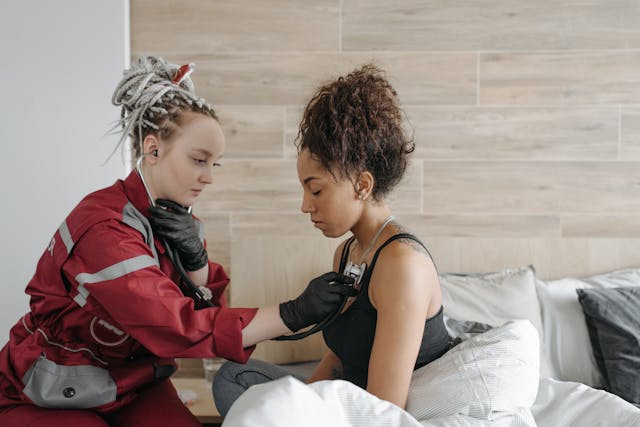
Discover how in-home medical support boosts comfort, safety, and independence, helping loved ones enjoy daily quality of life.
Managing daily health at home can feel like a mountain climb, especially for older adults or anyone with chronic conditions. Almost 90% of seniors say they want to stay in their homes as they age, but many struggle with tasks like medication management and wound care.
This post will show how in-home medical support offers physical therapy, fall prevention tips, and one-on-one attention—making life safer and easier for both patients and family caregivers.
Stick around to see real ways you can boost your quality of life today.
What You'll Discover:
Enhancing Physical Health
Strong physical health is the backbone of daily living, like the sturdy frame of a house. Doctors, nurses, and home health aides help people feel better at home—often keeping folks out of busy hospitals longer.
Assistance with medication management
Medication management can get tricky, especially for older adults and people with chronic illness. Missed doses and accidental double-ups cause many hospital visits each year. In-home health care workers help prevent these problems.
They use clear medication reminders, keep a daily log, and organize pill boxes so nothing slips through the cracks.
Nurses or aides check prescriptions after every doctor’s visit, like detectives searching for changes in treatment plans. They also watch for side effects or allergic reactions; “Care at home means small headaches don’t turn into big emergencies,” as one nurse explained during a recent shift.
This extra attention helps avoid dangerous medication errors and keeps you comfortable right in your living room chair.
Support for wound and pressure ulcer care
Medication management helps patients stay healthy. It is just as important to care for wounds and pressure ulcers. These problems can cause pain and slow recovery, especially for frail elderly individuals or those with chronic conditions.
In-home medical support offers skilled nursing for wound care. Nurses can clean wounds properly and apply dressings that aid healing. They check for signs of infection or complications, such as redness or swelling around the area.
Negative pressure wound therapy may be used to help close leg ulcers or other serious wounds faster. This type of therapy uses a vacuum dressing to promote healing by drawing out fluid from the wound.
Family caregivers often feel stressed trying to manage everything on their own. Having professional support takes some weight off their shoulders while ensuring high-quality care for loved ones.
With proper assistance, patients can focus on feeling better and enjoying life again!
Promoting Emotional and Social Well-Being
Companion care helps fight loneliness. A friendly face can make a big difference in someone’s day. Having someone there encourages taking part in fun activities, too. It’s like having a buddy system for daily life! Whether it’s playing games or sharing stories, these moments matter for emotional health and happiness.
Reducing feelings of loneliness through companion care
Companion care helps fight loneliness. It gives people one-on-one attention. This time together can lift spirits and brighten days. Caregivers often engage in activities of daily living, like cooking or playing games.
Sharing these moments creates bonds that reduce feelings of social isolation.
Support from caregivers can encourage emotional well-being too. They listen, share stories, and offer companionship during rough times. Knowing someone is there makes a big difference for those feeling lonely.
With so much heart in what they do, caregivers help create a warm home environment where everyone feels valued and loved.
Encouraging active participation in daily activities
Active participation in daily activities makes a big difference. It helps improve emotional well-being and can reduce feelings of loneliness. Caregivers play a key role here. They encourage individuals to engage in hobbies, social events, or simple tasks like cooking or gardening.
Many families are turning to home health care in Houston to ensure their loved ones receive the support they need while maintaining independence.
One-on-one attention from caregivers boosts confidence. This support encourages people to try new things or stick with their routines. Activities of daily living (ADLs), such as dressing and bathing, become easier with help.
Encouraging this involvement leads to better quality of life at home, especially for those recovering from surgery or managing chronic conditions like heart disease.
Supporting Independence and Routine
Staying independent can feel great. Home health care helps people keep doing their daily tasks, like dressing and bathing. It makes sure they have support when needed but still feel in control of their lives.
A structured routine keeps things moving smoothly and helps build good habits too. When someone knows what to expect each day, it can bring peace of mind. Caregiving becomes easier for family caregivers as well since they see loved ones thrive at home.
Maintaining autonomy in personal care tasks
Maintaining independence in personal care tasks is vital for many people. It allows them to feel in control of their lives. Home health care professionals support this autonomy by helping with daily routines, like bathing or dressing, without taking over completely.
They offer assistance while respecting individual choices.
Medical caregivers also ensure that clients can manage important tasks on their own—like medication reminders and pain management strategies. This encouragement helps boost confidence and emotional well-being.
Clients gain peace of mind knowing they have help while still doing things for themselves, which can lead to a happier life at home.
Establishing and following a structured daily routine
A structured daily routine gives people comfort and stability. It helps to create order in the day, making life easier.
- A clear schedule starts the day on a positive note. Waking up at the same time sets a rhythm for daily tasks.
- Morning rituals, like breakfast and medications, keep health on track. Medication reminders help avoid missed doses.
- Set time for physical therapy exercises and mobility support. This promotes strength and flexibility for better movement.
- Regular meal times ensure proper nutrition. Planning meals can simplify cooking, while also managing chronic conditions like heart disease.
- Scheduled activities of daily living (ADLs) foster independence. Bathing, dressing, and grooming should occur at set times to build confidence.
- Breaks throughout the day prevent caregiver burnout. Short rests recharge energy for both patients and caregivers alike.
In-home medical support can also provide crucial health support for managing complex medication schedules effectively.
- Evening routines signal winding down from the day’s activities. This can include calming practices like reading or listening to music that enhances emotional well-being.
- Consistent sleep schedules improve rest quality. Going to bed at the same time helps regulate sleep patterns for everyone involved.
- Family caregivers benefit from having a plan in place as well; knowing what comes next eases stress and allows them peace of mind.
- Adapting routines as needed keeps life flexible yet structured; this is essential during surgery recovery or when dealing with health changes.
Establishing a good routine provides comfort in daily life while promoting safety and overall well-being.
Improving Safety and Reducing Risks
Safety is key at home. Caregivers help prevent falls with smart strategies. They look for hazards and keep paths clear. Regular checks on health stop problems early, too.
A trained eye can spot issues before they become serious. This peace of mind means family members worry less. With proper support, daily life feels easier and safer for everyone involved!
Fall prevention strategies
Falls can lead to serious injuries for many people, especially seniors. Creating a safe environment at home can keep loved ones secure and active.
- Remove clutter from walkways. Clear away items like shoes or bags that could trip someone up. A tidy floor helps prevent falls.
- Use non-slip mats in bathroom areas. Wet floors are slippery. Mats provide grip and reduce the risk of slipping during showers.
- Install grab bars in key areas. Placing these in bathrooms or by stairs gives support when moving around. Strong hold points make it easier to stay balanced.
- Ensure good lighting throughout the home. Bright lighting allows for better visibility while moving about at night or during the day, helping avoid trips.
- Keep frequently used items within reach. Avoid high shelves where reaching can cause a fall. Easy access to necessities reduces accidents.
- Encourage regular exercise to improve strength and balance. Physical therapy can help build muscles and improve stability over time, which lowers fall risk.
- Use mobility aids as needed, such as walkers or canes; they offer stable support while walking around the house or outside; this is especially helpful for those recovering from surgery or experiencing heart failure.
- Schedule regular eye check-ups to ensure proper vision corrections are made with glasses or contacts, keeping vision sharp helps individuals see objects clearly and prevents trips over unseen obstacles.
- Monitor health conditions closely; chronic conditions should be managed well with proper medication management; this keeps potential health issues under control, lowering accident risks related to sudden dizziness or weakness.
- Educate family caregivers on fall prevention techniques; sharing knowledge about simple steps empowers everyone involved in care; this teamwork promotes greater awareness and safety at home.
Implementing these strategies will promote peace of mind for families while supporting independence for those who need it most.
Monitoring for potential health complications
Fall prevention strategies go hand in hand with monitoring health. Keeping an eye on any changes helps catch problems early. Health complications can sneak up on anyone, especially those with chronic conditions like heart disease or urinary incontinence.
Regular check-ins with healthcare professionals make a big difference. They watch for signs that could lead to hospital readmissions. Skilled caregivers also track medication management and report any issues quickly.
Peace of mind comes from knowing someone is looking out for you. This proactive approach really supports safety and well-being at home while reducing the risk of serious health challenges down the line.
Conclusion
In-home medical support makes a big difference in daily life. It helps with health tasks, boosts emotional well-being, and keeps people safe at home. Caregivers offer one-on-one attention that fosters independence while reducing stress for family caregivers.
This kind of care brings peace of mind and improves quality of life. So, whether it’s medication reminders or mobility support, having help at home changes everything for the better!