Learn the common causes of dog stomach ache, how to recognize the symptoms, safe home care tips, and when your dog needs immediate veterinary attention.
A dog stomach ache can be caused by eating something unusual, digestive upset, infections, parasites, food intolerance, or more serious medical conditions. Mild cases often improve with rest and veterinary guidance, but persistent vomiting, severe pain, or bloating require immediate veterinary care.
Most dog owners know the feeling. Your dog suddenly skips dinner, curls up in a corner, or looks at you with tired eyes that seem to say something isn’t right. At first, it might seem like a minor digestive upset. Then you start wondering whether it’s just an upset stomach—or something much more serious.
The tricky part is that dogs cannot explain where it hurts. They communicate through changes in behavior, appetite, posture, and energy. Learning to recognize these subtle signs can make a significant difference, especially because some stomach problems resolve on their own while others become emergencies within hours.
This guide explains the most common causes of a dog stomach ache, what symptoms to watch for, how veterinarians diagnose digestive problems, and the safest ways to help your dog recover.
What You'll Discover:
What Is a Dog Stomach Ache?
A dog stomach ache refers to pain or discomfort affecting the stomach or digestive tract. The discomfort may be mild and temporary or a symptom of a serious illness.
According to veterinary experts, digestive problems are among the most common reasons dogs visit veterinary clinics. Fortunately, many cases are manageable when identified early.
Quick fact: Mild digestive upset often improves within 24–48 hours, but repeated vomiting, severe abdominal pain, or abdominal swelling should never be ignored.
Common Causes of a Dog Stomach Ache
Eating Something They Shouldn’t
Dogs explore the world with their mouths.
They may eat spoiled food, garbage, grass, table scraps, toys, bones, socks, or other objects that irritate the digestive system or create dangerous intestinal blockages.
Common culprits include:
- Fatty human foods
- Chocolate
- Grapes and raisins
- Onions and garlic
- Corn cobs
- Plastic objects
- Cooked bones
Sometimes the stomach simply becomes irritated. Other times, surgery may be necessary if an object blocks the intestines.
Sudden Diet Changes
Changing food too quickly can upset the balance of bacteria in a dog’s digestive tract.
Gradually mixing new food with the old over 7–10 days usually reduces digestive problems.
Food Allergies or Intolerances
Some dogs react poorly to certain ingredients such as:
- Chicken
- Beef
- Dairy
- Wheat
- Soy
Unlike food allergies that involve the immune system, food intolerances mainly affect digestion and may cause recurring stomach discomfort.
Parasites
Intestinal worms and other parasites frequently cause:
- Stomach pain
- Diarrhea
- Weight loss
- Vomiting
Regular parasite prevention remains one of the simplest ways to protect digestive health.
Viral or Bacterial Infections
Digestive infections can inflame the stomach and intestines.
Puppies are especially vulnerable because their immune systems are still developing.
Pancreatitis
A fatty meal can sometimes trigger inflammation of the pancreas.
Pancreatitis often causes:
- Severe abdominal pain
- Vomiting
- Loss of appetite
- Lethargy
This condition requires veterinary treatment.
Gastric Dilatation-Volvulus (Bloat)
One of the most dangerous causes of abdominal pain is gastric dilatation-volvulus, commonly called bloat.
Large, deep-chested breeds face the highest risk.
Important: A swollen abdomen, unsuccessful attempts to vomit, excessive drooling, and restlessness are medical emergencies that require immediate veterinary care.
Symptoms of a Dog Stomach Ache
Dogs often hide pain surprisingly well.
Watch for these warning signs:
- Loss of appetite
- Vomiting
- Diarrhea
- Excessive drooling
- Lip licking
- Eating grass
- Whining
- Restlessness
- Hunched posture
- Sensitive abdomen
- Lethargy
- Excessive gas
- Constipation
- Abdominal swelling
Some dogs become unusually quiet, while others pace constantly because they cannot get comfortable.
Quotable fact: “Changes in appetite and behavior are often the earliest indicators of digestive discomfort in dogs.”
When Should You Call a Veterinarian?
Not every upset stomach is an emergency, but some symptoms should never be monitored at home.
Seek veterinary care immediately if your dog has:
- Vomiting that continues for several hours
- Blood in vomit or stool
- Severe abdominal swelling
- Difficulty breathing
- Collapse or weakness
- Persistent diarrhea
- Signs of poisoning
- Suspected foreign object ingestion
- Severe pain when touched
Puppies, elderly dogs, and dogs with chronic illnesses should be evaluated sooner because dehydration develops more quickly.
How Veterinarians Diagnose a Dog Stomach Ache
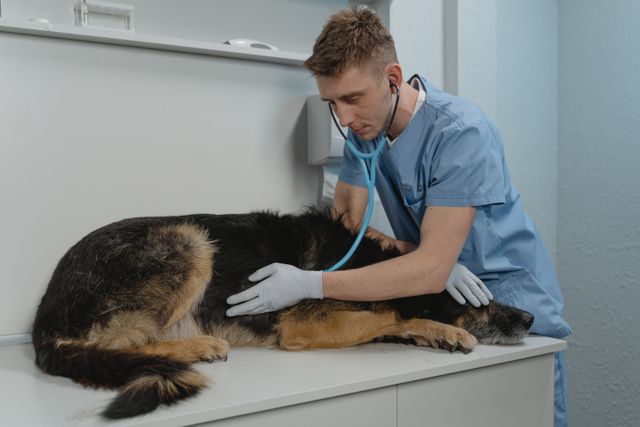
Finding the cause usually begins with a physical examination.
Depending on the symptoms, your veterinarian may recommend:
- Blood tests
- Stool analysis
- Urine testing
- X-rays
- Ultrasound
- Endoscopy
- Exploratory surgery in severe cases
The goal isn’t simply to stop vomiting—it is to identify the underlying cause.
How Is a Dog Stomach Ache Treated?
Treatment depends entirely on the diagnosis.
Common options include:
Supportive Care
For mild digestive upset, treatment may involve:
- Fluid therapy
- Prescription gastrointestinal diets
- Anti-nausea medication
- Probiotics
- Rest
Medications
Veterinarians may prescribe medications for:
- Parasites
- Bacterial infections
- Stomach ulcers
- Inflammation
Never give human medications unless specifically instructed by your veterinarian.
Surgery
Surgery may be necessary for:
- Intestinal blockages
- Bloat
- Tumors
- Internal injuries
Prompt treatment greatly improves recovery.
Can You Help Your Dog at Home?
If your veterinarian believes the stomach ache is mild, supportive home care may include:
- Providing fresh water
- Feeding a veterinarian-approved bland diet
- Encouraging quiet rest
- Monitoring vomiting and bowel movements
- Gradually returning to normal food
Avoid giving over-the-counter human medicines, oils, herbs, or supplements without veterinary approval.
How to Prevent Future Stomach Problems
Although not every digestive illness is preventable, good habits reduce the risk.
- Feed a consistent diet.
- Change foods gradually.
- Keep garbage secured.
- Avoid toxic foods.
- Provide regular parasite prevention.
- Schedule routine veterinary checkups.
- Prevent access to toys or objects that can be swallowed.
- Feed appropriate portions rather than large meals.
Comparison: Mild vs Serious Dog Stomach Ache
| Mild Digestive Upset | Serious Medical Emergency |
| Slight loss of appetite | Repeated vomiting |
| Mild gas | Bloated abdomen |
| Temporary diarrhea | Bloody vomit or stool |
| Eating less for one meal | Collapse or weakness |
| Mild stomach noises | Severe abdominal pain |
| Improves within a day | Symptoms worsen rapidly |
Frequently Asked Questions
How long does a dog stomach ache usually last?
Minor digestive upset often improves within 24 to 48 hours. Symptoms lasting longer require veterinary evaluation.
Why is my dog eating grass?
Some dogs eat grass because of stomach irritation, while others simply enjoy it. Eating grass alone does not always indicate illness.
Can stress cause a dog stomach ache?
Yes. Anxiety, travel, boarding, or major household changes can contribute to temporary digestive upset.
What foods should dogs avoid?
Chocolate, grapes, raisins, onions, garlic, cooked bones, alcohol, xylitol, fatty foods, and many human snacks can cause serious illness.
Is vomiting always a sign of a stomach ache?
Not necessarily. Vomiting may result from motion sickness, infections, toxins, organ disease, or intestinal blockages, making a proper diagnosis important.
Key Takeaways
- A dog stomach ache can range from mild indigestion to a life-threatening emergency.
- Changes in appetite, vomiting, diarrhea, and unusual behavior are common warning signs.
- Most mild digestive problems improve with appropriate veterinary guidance and supportive care.
- Severe abdominal swelling, repeated vomiting, or bloody stool require immediate veterinary attention.
- Prevention begins with a balanced diet, gradual food changes, parasite control, and keeping harmful objects out of reach.
- Never give human medications without veterinary approval.