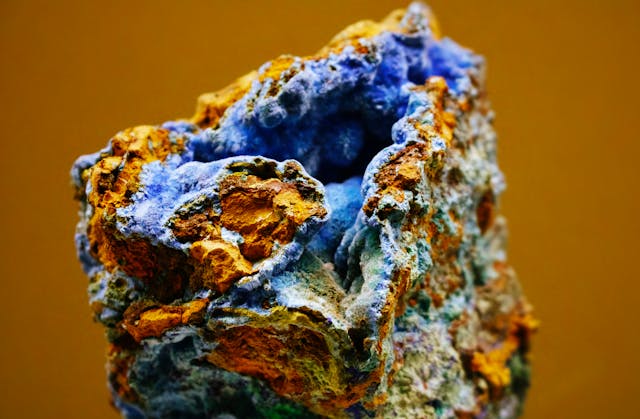
Copper sulfate tree roots usage explained simply, how it works, risks, effectiveness, and safer alternatives for sewer root problems.
Copper sulfate is commonly used to slow or kill invasive tree roots inside sewer and drain pipes. It works by dehydrating fine roots that enter cracked plumbing lines, but it is usually a temporary control method rather than a permanent fix. Improper use can harm pipes, soil life, pets, waterways, and nearby vegetation.
There’s something strangely frustrating about tree roots.
You plant a tree for shade, calm, maybe even nostalgia. Years later, those same roots are quietly wrapping themselves around sewer pipes underground like fingers searching for warmth. Most people never think about roots until toilets start gurgling or water backs up into the shower for no obvious reason.
That’s usually when copper sulfate enters the conversation.
At first, it sounds almost too simple. Blue crystals. Flush them down a toilet. Wait. Problem solved.
But the deeper I looked into copper sulfate tree roots usage, the stranger the topic became. Some plumbers swear by it. Some arborists hate it. Some homeowners use it every year like clockwork. Others say it barely works at all.
And honestly? They’re all a little right.
The truth lives somewhere between chemistry, plumbing, environmental risk, and human impatience.
What You'll Discover:
What Is Copper Sulfate and Why Is It Used on Tree Roots?
Copper sulfate is a chemical compound often sold as blue crystals or powder. It has long been used as a fungicide, herbicide, and algaecide. In plumbing, its reputation comes from one very specific job: killing invasive roots inside sewer pipes.
The logic is surprisingly straightforward.
Tree roots naturally chase moisture and nutrients. Sewer lines provide both. Tiny cracks in older pipes leak vapor and water into surrounding soil, essentially broadcasting an underground invitation to nearby roots.
Once roots find the opening, they squeeze inside.
Then they expand.
Then everything slows down.
A small root becomes a tangled mat capable of trapping toilet paper, grease, and waste until the entire line behaves like a clogged artery.
Copper sulfate attacks those roots chemically.
When flushed into a sewer line, the crystals dissolve and coat the root mass. Fine feeder roots absorb the copper ions, which damage plant tissue and interrupt growth. Smaller roots die first. Larger woody roots weaken more slowly.
That’s the theory, anyway.
Why Tree Roots Invade Sewer Pipes in the First Place
People often imagine roots “breaking into” pipes like tiny drills.
That’s usually not what happens.
Roots are opportunists, not demolition crews.
According to sewer infrastructure research, roots typically exploit existing weaknesses such as cracked clay pipes, loose joints, corroded metal, or aging connections.
That distinction matters.
Because if roots entered once, they can return again.
A pipe with root intrusion is often already compromised. Copper sulfate may kill roots temporarily, but it does not repair the crack attracting them in the first place.
That realization changes the whole conversation.
Suddenly, copper sulfate stops looking like a “fix” and starts looking more like symptom management.
And honestly, that’s probably the most important thing homeowners misunderstand.
How Copper Sulfate Tree Roots Usage Actually Works
The Typical Application Process
Most residential treatments involve flushing copper sulfate crystals through a toilet connected to the affected sewer line. The crystals dissolve gradually and travel toward the blockage area.
The goal is contact time.
Longer exposure means stronger root damage.
But there’s a catch nobody talks about enough: flowing water dilutes everything.
That’s why some plumbers believe copper sulfate works best on slower-moving root intrusions rather than severe clogs. Several plumbing professionals online describe it as “maintenance” instead of a cure.
In practical terms:
- Small root hairs respond faster.
- Thick woody roots resist treatment.
- Completely blocked lines often need mechanical cutting first.
Think of it like spraying weeds through a chain-link fence. Some chemical lands where you want it. Some doesn’t.
How Long Does It Take?
This surprises people.
Copper sulfate is not instant.
Unlike liquid drain cleaners that react within minutes, copper sulfate can take weeks to noticeably reduce root growth.
Typical timelines include:
- Fine roots: several days to 2 weeks
- Moderate intrusion: 3–4 weeks
- Severe root masses: inconsistent results
That delay creates frustration because plumbing problems feel urgent. Nobody wants to wait three weeks while wondering whether the toilet will overflow again.
So homeowners often overapply it.
That’s where problems begin.
Does Copper Sulfate Kill the Entire Tree?
Usually, no.
And this is where the chemistry becomes strangely selective.
Copper sulfate primarily damages the roots directly exposed inside the pipe. Most established trees survive because the chemical concentration weakens as it disperses through soil and water.
But “usually” is not the same as “always.”
Repeated heavy applications can stress trees over time, especially smaller ornamental species or trees already struggling from drought, compacted soil, or disease.
An arborist once described the effect almost like “stapling a stomach smaller for the tree.” That image stuck with me because it captures the idea perfectly: localized damage without necessarily killing the organism.
Still, some root systems recover aggressively after partial damage.
Which creates an odd contradiction:
Sometimes killing roots encourages more root growth later.
Plants are stubborn like that.
The Hidden Risks Most Homeowners Ignore
Environmental Concerns
Copper sulfate sounds clinical until you realize copper is toxic at high concentrations.
Especially in waterways.
Research and municipal guidance warn that copper accumulation can damage aquatic ecosystems, poison fish populations, and disrupt beneficial microorganisms.
Some regions restrict or ban its use entirely for root control.
That detail matters more than people think.
Because once copper enters soil and water systems repeatedly, it doesn’t magically disappear. Heavy metals accumulate.
Slowly.
Quietly.
The environmental story around copper sulfate feels a little like old gasoline additives or asbestos insulation. Something once treated casually becomes more controversial as we understand the long-term effects better.
Pipe Damage Concerns
This part surprised me most.
Some plumbing experts warn excessive copper sulfate may contribute to pipe corrosion, particularly in older metal systems.
There are even concerns about damage to certain plastics under extreme misuse.
Which creates a bizarre irony:
The chemical meant to protect pipes may shorten their lifespan if overused.
Again, dosage matters.
Everything about copper sulfate comes back to restraint.
Septic System Issues
Not all systems handle copper sulfate equally.
Some sources caution against using it in septic systems because it may interfere with beneficial bacterial activity or contaminate drainage fields.
Others claim modern septic bacteria recover adequately after moderate applications.
That contradiction reflects the larger debate surrounding copper sulfate overall.
It works sometimes.
It causes problems sometimes.
Context changes everything.
Signs You Might Have Root Intrusion
The symptoms usually begin subtly.
That’s what makes them easy to ignore.
Common Warning Signs
- Slow-draining sinks and tubs
- Gurgling toilets
- Sewage odors
- Repeated drain backups
- Wet patches in the yard
- Unusually green grass near sewer lines
- Frequent clog recurrence
One clogged drain is annoying.
Multiple drains acting strangely at the same time? That’s usually different.
According to infrastructure studies, roots contribute to more than half of sewer blockages in some systems.
That statistic changes how you see old neighborhoods. Suddenly every mature tree near a sidewalk starts looking suspicious.
Copper Sulfate vs Other Root Removal Methods
Comparison Table: Root Control Methods
| Method | Effectiveness | Speed | Environmental Risk | Long-Term Solution |
| Copper Sulfate | Moderate | Slow | Medium to High | No |
| Mechanical Root Cutting | High | Fast | Low | Temporary |
| Hydro Jetting | Very High | Fast | Low | Temporary |
| Pipe Relining | High | Medium | Low | Yes |
| Full Pipe Replacement | Permanent | Slow | Medium | Yes |
| Foaming Root Killers | Moderate to High | Medium | Lower than copper sulfate | Temporary |
The comparison reveals something uncomfortable.
The more permanent the solution, the more expensive it becomes.
That’s why copper sulfate remains popular despite the debate around it. It buys time.
Sometimes that’s all people can afford.
Why Some Professionals Dislike Copper Sulfate
A recurring theme appeared during research: skepticism.
Not outright rejection. Skepticism.
Several plumbers argue copper sulfate is ineffective once roots become thick and established.
Others say homeowners rely on chemicals too long instead of repairing damaged lines.
And honestly, their frustration makes sense.
Imagine placing a bandage over a cracked water pipe every six months while hoping the structure somehow heals itself.
That’s essentially what repeated root treatment becomes.
One plumber bluntly described root intrusion as “a done deal” once roots enter the line. Harsh wording, but technically accurate.
The pipe itself is already compromised.
Situations Where Copper Sulfate Makes the Most Sense
Despite the criticism, copper sulfate still has practical uses.
It Can Be Helpful When:
The Root Intrusion Is Minor
Small feeder roots respond better than mature woody masses.
You Need Temporary Relief
Sometimes homeowners need time before affording excavation or relining.
Older Clay Pipes Are Still Functional
Maintenance treatments may delay severe blockage progression.
Combined With Mechanical Cleaning
Many professionals recommend cutting roots first, then applying chemical treatment to slow regrowth.
That combined strategy appears more realistic than relying on crystals alone.
The Psychology Behind “Quick Fix” Root Treatments
This part fascinates me because it says something larger about homeownership itself.
People desperately want invisible problems to stay invisible.
Nobody wants to dig up a yard.
Nobody wants to replace sewer lines.
Nobody wants to hear the phrase “pipe collapse.”
So chemical root killers become emotionally attractive because they preserve normalcy. Flush crystals. Problem disappears underground again.
For a while.
Copper sulfate sits in that strange category of products that are neither scams nor miracles.
It genuinely works under certain conditions.
But it also delays difficult decisions.
That tension explains why opinions around it are so divided.
Safer Alternatives to Copper Sulfate
Foaming Root Killers
Foam-based products expand through the pipe interior, improving surface contact with roots. Many contain dichlobenil or less toxic formulations.
Hydro Jetting
Pressurized water physically removes roots and buildup.
It’s aggressive. Effective. Temporary.
Pipe Relining
This method creates a new pipe lining inside the damaged pipe without full excavation.
It sounds futuristic because it kind of is.
Preventive Landscaping
Some tree species are far more aggressive around pipes than others.
Willows, poplars, and silver maples repeatedly appear in discussions about sewer damage.
Choosing tree placement carefully may prevent decades of future problems.
That’s the part nobody thinks about during landscaping projects.
Trees grow slowly enough to hide consequences.
Quotable Facts About Copper Sulfate Tree Roots Usage
“Tree roots are reported to cause more than 50% of sewer blockages in some systems.”
“Copper sulfate can take several weeks to noticeably reduce root intrusion.”
“Roots usually exploit existing cracks rather than breaking healthy pipes themselves.”
FAQ
Is copper sulfate safe for sewer pipes?
Moderate use is generally considered safe, but excessive applications may contribute to corrosion in older metal pipes or damage some materials over time.
Can copper sulfate kill an entire tree?
Usually not. It mainly damages roots exposed inside pipes, though repeated heavy use may stress nearby trees.
How often should copper sulfate be used?
Some homeowners apply it annually or every six months for maintenance, but overuse increases environmental and plumbing risks.
Does copper sulfate permanently fix root problems?
No. It controls root growth temporarily but does not repair cracked or damaged sewer lines.
What is the best permanent solution for root intrusion?
Pipe relining or full sewer line replacement are considered the most permanent solutions.
Key Takings
- Copper sulfate tree roots usage is primarily aimed at slowing root intrusion inside sewer pipes.
- The chemical works best on smaller feeder roots rather than large woody masses.
- Root intrusion usually signals existing pipe damage rather than aggressive roots “breaking” healthy pipes.
- Copper sulfate is typically a maintenance strategy, not a permanent repair.
- Environmental concerns around copper accumulation are growing in many regions.
- Combining mechanical root removal with chemical treatment often produces better results.
- Long-term sewer line repair remains the only true solution for recurring root intrusion.