The Ryan Zimmerman murder case remained unsolved for years. Discover how DNA, digital evidence, and persistence revealed the truth.
The Ryan Zimmerman murder case involved a 21-year-old man from Kentucky who disappeared after moving to Columbus, Ohio, in 2015. His partial skeletal remains were discovered in Mercer County in January 2016, but investigators did not identify him until June 2020. Sarah Buzzard later pleaded guilty to aggravated murder and was sentenced to life in prison, with the possibility of parole after 30 years, in January 2022. (Ohio Attorney General’s
For years, the discovery of unidentified human remains near a creek in Ohio presented investigators with a difficult question: Who was the victim, and what had happened to him?
The answer eventually led authorities to Ryan R. Zimmerman, a young man originally from Corbin, Kentucky, whose disappearance had left his family searching for answers. What began as an unidentified-remains investigation developed into a homicide case involving forensic DNA analysis, digital records, physical evidence, and a guilty plea.
The Ryan Zimmerman murder case is significant not only because it resulted in a conviction, but also because it illustrates how investigators can reconstruct a crime years after a victim disappears. Understanding the timeline helps separate established facts from early suspicions and explains how the investigation ultimately reached a legal resolution.
What You'll Discover:
Who Was Ryan Zimmerman?
Ryan R. Zimmerman was a young man from Corbin, Kentucky, who moved to Columbus, Ohio, in August 2015. He was 21 when he disappeared, although some later reports described him as 22, reflecting differences in reporting and the chronology of the case.
According to the Ohio Attorney General’s Office, Zimmerman had developed friendships online and moved to Columbus to live with a man he had met through the internet. He enjoyed online gaming and communicating with people through digital platforms.
His move placed him in a new city, away from his family and the people who had known him in Kentucky. His online connections would later become relevant to the investigation, as detectives examined his social interactions and the people associated with his living arrangements.
Zimmerman’s family continued to matter throughout the case. His parents reported him missing and later provided DNA samples that helped investigators establish his identity.
That identification transformed an investigation involving unknown human remains into a search for answers about a specific person.
What Happened in the Ryan Zimmerman Murder Case?
The publicly documented timeline begins in September 2015, when Zimmerman was last known to have communicated with his family. His remains were discovered months later, and the investigation continued for several years before authorities identified him and developed evidence against suspects.
The following timeline brings together the major confirmed developments.
| Date | Major development |
| August 2015 | Zimmerman moved from Kentucky to Columbus, Ohio. |
| September 25, 2015 | His last reported communication with family was recorded. |
| November 17, 2015 | His father filed a missing-person report with Columbus police. |
| January 3, 2016 | Human skeletal remains were discovered near Coldwater Creek in Mercer County. |
| June 1, 2020 | DNA analysis confirmed that the remains belonged to Zimmerman. |
| August 2021 | Sarah Buzzard was arrested in connection with the homicide. |
| December 2021 | Buzzard pleaded guilty to aggravated murder. |
| January 2022 | Buzzard received a life sentence with possible parole after 30 years. |
The timeline reveals an important distinction: investigators discovered the remains in 2016, but identifying the victim and building a case against the people responsible were separate challenges. The investigation did not reach its decisive breakthrough until years later.
How Were Ryan Zimmerman’s Remains Discovered?
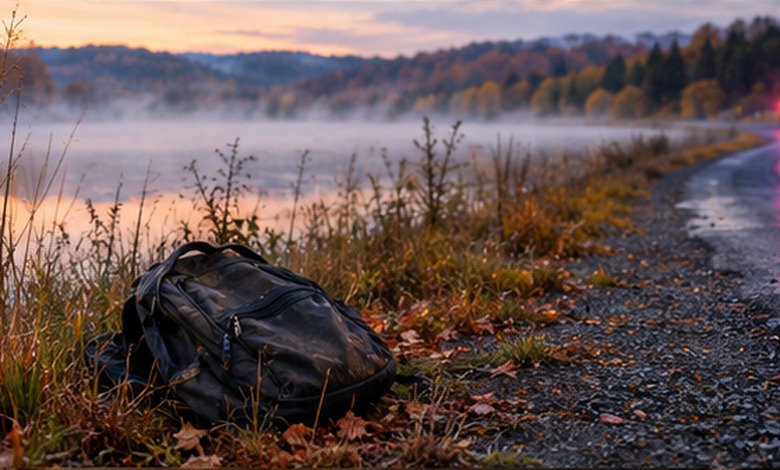
On January 3, 2016, a woman walking her dog discovered bones near Coldwater Creek and U.S. Route 127 in Mercer County, Ohio, close to the Grand Lake St. Marys area.
The discovery initially provided few answers. A forensic examination determined that the remains were human and showed evidence of dismemberment. Investigators recovered portions of a torso, but the skull and several other parts of the body were missing.
The location complicated the investigation. Zimmerman had disappeared from the Columbus area, while the remains were found roughly 100 miles northwest of Columbus. Investigators needed to establish both the victim’s identity and the connection between his disappearance and the recovery site.
Finding human remains does not automatically establish who the victim was, where the killing occurred, or who was responsible. Each question requires its own supporting evidence.
Forensic anthropology helped investigators examine the remains, while subsequent DNA analysis eventually provided the missing identity.
How DNA Solved the Ryan Zimmerman Cold Case
The investigation’s turning point came in June 2020, more than four years after the remains were discovered.
An analyst with the Ohio Bureau of Criminal Investigation (BCI) recognized similarities between the unidentified remains case and a missing-person report filed with Columbus police. Investigators then obtained DNA samples from Zimmerman’s parents, and laboratory testing confirmed that the remains belonged to their son.
This was a crucial breakthrough because it gave investigators a confirmed identity around which to rebuild the case.
Why DNA identification mattered
DNA can help identify human remains even when conventional identification methods are no longer practical. In cases involving incomplete skeletal remains, biological material can sometimes provide evidence that connects an unidentified person to known relatives.
In Zimmerman’s case, the significance lay in the comparison between the remains and his parents’ DNA, rather than a simple visual identification.
The distinction matters: a laboratory result can establish identity, but it does not, by itself, prove how someone died or who killed them. Investigators still needed evidence connecting Zimmerman to the people and locations involved in his disappearance.
How investigators reconstructed the events
Following the identification, detectives from the Mercer County Sheriff’s Office worked with BCI investigators to examine digital communications, social media activity, location information, and physical evidence.
The investigation led authorities to a Columbus apartment associated with Zimmerman and the people he had met online. Investigators also examined a vehicle believed to have been used to transport his remains. According to the Ohio Attorney General’s Office, the combined investigation uncovered digital and physical evidence that implicated Sarah Buzzard and Naira Jen Whitaker.
This combination of evidence illustrates why cold cases often require more than one scientific breakthrough. DNA identified the victim; other evidence helped investigators reconstruct the circumstances surrounding his death.
Who Killed Ryan Zimmerman?
Sarah Buzzard was the person ultimately convicted in the Ryan Zimmerman murder case. In December 2021, she pleaded guilty to one count of aggravated murder under a negotiated agreement with prosecutors.
During the investigation, Buzzard told authorities that she had strangled Zimmerman at the Columbus apartment where she had lived with her then-husband. According to facts presented by prosecutors during the plea proceedings, she also said Whitaker had helped dismember the body, clean the scene, destroy evidence, and dispose of the remains.
These details emerged through the investigation and the facts presented in court. They should be distinguished from the final criminal judgment, which specifically established Buzzard’s guilt through her guilty plea.
What was the reported motive?
According to the prosecution’s account presented during the plea proceedings, Buzzard said she was angry with Zimmerman and believed he had ruined her life. She reportedly described repeated arguments with her then-husband about Zimmerman and characterized the killing as accidental.
That was Buzzard’s reported explanation, not an independent finding that the death was accidental. Her guilty plea to aggravated murder established her criminal responsibility for the offense.
The broader circumstances involved complicated personal relationships among the people living together in Columbus. However, those relationships alone do not establish guilt; the case was resolved through the investigation and the court proceedings.
What happened to Naira Jen Whitaker?
Whitaker, who was Buzzard’s partner and later wife, was identified by investigators as a second suspect. In August 2021, when officers attempted to arrest her in connection with the homicide, she died by suicide before they could take her into custody.
Because Whitaker died before trial, there was no criminal trial in which a jury could determine her guilt. Accounts of her alleged role therefore need to be understood in that context.
Buzzard’s conviction should not be treated as a substitute for a separate judicial determination of Whitaker’s responsibility.
What Evidence Helped Investigators Solve the Case?
The Ryan Zimmerman investigation demonstrates how several types of evidence can work together to reconstruct events that occurred years earlier.
| Evidence type | Role in the investigation |
| DNA comparison | Established that the unidentified remains belonged to Ryan Zimmerman. |
| Missing-person records | Helped connect the unidentified remains to a known disappearance. |
| Digital communications | Helped investigators reconstruct relationships and interactions before the killing. |
| Account and location records | Contributed to the timeline investigators developed from electronic evidence. |
| Physical evidence | Helped connect the investigation to the Columbus apartment and a vehicle associated with the disposal of the remains. |
| Statements and court proceedings | Provided additional details about the killing and established Buzzard’s guilt through her plea. |
The value of this evidence was cumulative. A missing-person report offered a lead, DNA confirmed the identity, and digital and physical evidence helped investigators build a broader account of what happened.
This is an important distinction in criminal investigations: a clue can direct investigators toward an answer, but a case becomes stronger when different forms of evidence support a consistent explanation.
What Sentence Did Sarah Buzzard Receive?
On January 20, 2022, Sarah Buzzard was sentenced to life in prison with the possibility of parole after serving 30 years. She had pleaded guilty to aggravated murder the previous month as part of a negotiated agreement that removed the possibility of a death sentence.
The plea agreement dismissed the remaining charges, including a second aggravated murder count and 16 other felony counts. The guilty plea and sentence brought the criminal proceedings against Buzzard to a resolution.
What does life with the possibility of parole after 30 years mean?
A life sentence does not necessarily mean that a person will remain incarcerated until death. In this case, Buzzard became eligible to seek parole after serving 30 years.
Eligibility does not guarantee release. A parole decision is separate from the original sentencing, and the sentence itself remains a life sentence.
The outcome also illustrates the difference between a criminal conviction and a family’s emotional recovery. The court could impose punishment, but no sentence could reverse the loss suffered by Zimmerman’s family.
Why Did the Ryan Zimmerman Murder Investigation Take So Long?
The case remained unresolved for several years because investigators initially lacked both a confirmed identity for the victim and a clear connection between the remains and the circumstances of his disappearance.
Three challenges stand out.
1. The victim was unidentified
Without a confirmed identity, investigators had limited information about the person’s background, last known movements, and personal connections. The DNA breakthrough in 2020 gave detectives a specific missing-person case to investigate.
2. The remains had been transported
The remains were discovered in Mercer County, while investigators determined that the homicide had occurred in Columbus. Establishing the relationship between these locations required additional investigative work.
3. Evidence had to be reconstructed
Investigators needed to piece together information from digital accounts, personal relationships, physical evidence, and statements. Records created years earlier could become important when examined alongside newly established facts.
The case demonstrates that a cold case is not necessarily one in which evidence has disappeared. Sometimes the evidence exists, but investigators have not yet found the connection that makes it meaningful.
Frequently Asked Questions About the Ryan Zimmerman Murder
Who was Ryan Zimmerman?
Ryan R. Zimmerman was a young man originally from Corbin, Kentucky, who moved to Columbus, Ohio, in August 2015. He was 21 when he disappeared, and his remains were identified through DNA analysis in June 2020.
Who was convicted of murdering Ryan Zimmerman?
Sarah Buzzard pleaded guilty to aggravated murder in December 2021. She was sentenced to life in prison with the possibility of parole after 30 years in January 2022.
Where were Ryan Zimmerman’s remains found?
Partial skeletal remains were discovered on January 3, 2016, near Coldwater Creek and U.S. Route 127 in Mercer County, Ohio, near the Grand Lake St. Marys area.
How was Ryan Zimmerman identified?
An analyst with the Ohio Bureau of Criminal Investigation connected the unidentified remains to a missing-person report. DNA testing using samples from Zimmerman’s parents confirmed his identity in June 2020.
Was anyone else implicated in the murder?
Investigators identified Naira Jen Whitaker as a second suspect. She died by suicide before officers could arrest her in August 2021, so her alleged role was not adjudicated in a criminal trial.
Key Takeaways
- Ryan Zimmerman disappeared in 2015 after moving from Kentucky to Columbus, Ohio.
- His partial remains were discovered in Mercer County on January 3, 2016.
- DNA testing confirmed his identity in June 2020, more than four years after the discovery.
- Investigators combined forensic findings, digital records, physical evidence, and statements to develop the case.
- Sarah Buzzard pleaded guilty to aggravated murder in December 2021.
- In January 2022, Buzzard received a life sentence with the possibility of parole after 30 years.
- The case illustrates how forensic science and persistent investigative work can help resolve a homicide years after the victim disappears.
Additional Resources
- DNA Unit: This official resource explains how forensic DNA testing works, how scientists compare biological samples, and how laboratory analysis supports criminal investigations.