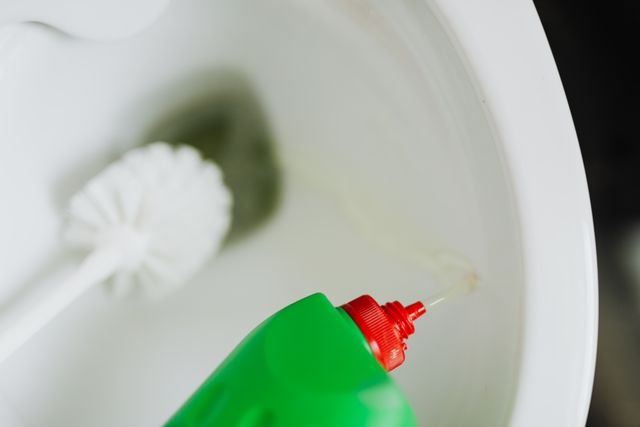
Toilet tank cleaner tips that protect parts, beat buildup, and keep your toilet fresh without costly mistakes.
A toilet tank cleaner works best when it removes mineral buildup without attacking rubber seals, flappers, or metal fittings. For most homes, a bleach-free manual clean with vinegar or a citric-acid descaling product is safer than bleach or chlorine tank tablets, which major toilet and plumbing brands warn can damage tank parts and may void warranties.
The toilet tank is easy to ignore until it starts whispering trouble: a weak flush, a weird smell, or a blue tablet that seemed harmless until the flapper started acting flaky. That is why the phrase toilet tank cleaner causes so much confusion: it can mean a manual cleaning product, a descaler, or one of those drop-in tablets that promises a low-effort shortcut.
The catch is that the tank is not just a water box. It contains rubber, plastic, and moving parts that keep the toilet working, and those parts can be affected by buildup, rust, and harsh chemicals over time. Several major brands and plumbing product makers warn that generic in-tank cleaners containing bleach or chlorine can damage those internal components and lead to leaks or other repairs.
What You'll Discover:
What a toilet tank cleaner actually is
A toilet tank cleaner usually falls into one of two camps. The first is a product meant for a periodic deep clean of the tank itself: it helps remove mineral scale, rust, grime, or biofilm from the inside surfaces and around the parts. The second is an in-tank additive or tablet that dissolves over time and is meant to freshen the bowl water or reduce odor with each flush.
That distinction matters because the tank is where your toilet’s working parts live. A product that is fine for porcelain in the bowl may be a bad fit for rubber seals, flappers, and valves inside the tank, which is exactly why brand guidance is so cautious about bleach- or chlorine-based drop-ins.
Why tank buildup matters more than most people think
A dirty tank is not just a cosmetic problem. Experts note that hidden dirt, mineral buildup, limescale, rust, mildew, and even germs can accumulate inside the tank and affect flushing performance, produce odors, and leave internal parts looking worn before their time.
Here is the part many people miss: buildup and damage are not the same thing, but they often show up together. Mineral deposits can make the tank look neglected, while harsh cleaners can slowly degrade the rubber and fittings that keep the flush system sealed and working.
A clean tank is not really about making the water look prettier. It is about keeping the flush mechanism healthy enough to do its job every time.
What to avoid inside the tank
The biggest red flag is generic in-tank tablets that contain bleach or chlorine. American Standard says not to use in-tank cleaners because they can seriously damage fittings and cause leakage and property damage, and Fluidmaster gives a similar warning that bleach- or chlorine-containing drop-ins can damage tank components.
That warning is not just manufacturer self-protection. A recent 2026 expert roundup noted that these tablets may freshen water but do not remove the core problems inside the tank, such as mineral buildup and biofilm, and the blue color in the water is dye rather than proof of deeper cleaning.
Another thing to avoid is chemical mixing. Clorox warns that strong acids and bleach should never be mixed because hazardous gas can be released, and it specifically notes that bleach can make rust stains worse, which means one product often cannot solve every tank problem at once.
The safest way to clean a toilet tank
The safest approach is boring in the best possible way: shut off the water, empty the tank, inspect the parts, and clean the interior with a product that is compatible with the tank materials. Clorox recommends opening windows, draining the tank, wearing gloves and safety glasses, and rinsing thoroughly when cleaning inside the tank.
Step 1: Shut off and drain
Turn off the supply valve behind the toilet, flush until the tank is empty, and make sure the flapper stays closed. This gives you access to the surfaces and also helps prevent cleaner from sitting on parts longer than intended.
Step 2: Inspect what kind of buildup you have
If the tank has a dusty film, light grime, or mild odor, a bleach-free disinfectant or diluted vinegar solution can be enough. If you see heavy rust or hard-water crust, a citric-acid cleaner or rust remover designed for toilet tanks is a better fit, because product makers such as Instant Power specifically target calcium, rust, and hard-water deposits.
Step 3: Clean with the right product for the stain
Use a soft sponge or small nylon brush rather than something aggressive that could damage the interior parts. The goal is to loosen buildup without stressing the flapper, float, or fill valve, which is why many guides recommend bleach-free cleaning for routine maintenance and stronger descalers only when mineral buildup is visible.
Step 4: Rinse like you mean it
A tank cleaner should not be left behind to become tomorrow’s plumbing problem. Rinse the tank thoroughly, refill it, and flush once or twice so any remaining cleaner is cleared out before normal use resumes.
Step 5: Repeat on a reasonable schedule
For a normal bathroom, experts commonly suggest cleaning the tank once or twice a year, with more frequent cleaning in hard-water areas or humid bathrooms where buildup and mold show up faster. That rhythm is usually enough to stay ahead of grime without turning the tank into a constant chemistry project.
Toilet tank cleaner methods compared
| Method | Best for | Upside | Trade-off |
| Manual cleaning with vinegar or a bleach-free disinfectant | Routine maintenance, light grime, general freshness | Low-cost, easy to control, gentler on parts | May need more elbow grease on heavy rust or crust |
| Citric-acid or descaling cleaner | Hard-water scale, calcium, rust deposits | Targets mineral buildup more directly | Must be rinsed well and never mixed with bleach or chlorine cleaners |
| Generic bleach/chlorine tank tablets | Convenience and odor masking | Easy to drop in | Major brands warn they can damage fittings, flappers, seals, and warranties |
| Brand-designed in-tank puck or dispenser | Automatic bowl freshening in systems made for it | Better controlled than generic tablets when explicitly designed for the toilet | Still not a replacement for periodic manual tank cleaning |
The easiest way to read that table is simple: if the product is meant to live in the tank for weeks, its compatibility with rubber parts matters more than its fragrance. If the product is meant for a one-time deep clean, its job is to remove buildup without leaving a chemical residue that could haunt the flush system later.
How to choose the right toilet tank cleaner for your bathroom
If you have hard water
Choose a cleaner that specifically targets mineral scale, rust, or calcium. General freshening products may make the tank smell cleaner, but they are far less useful when the real problem is crust on the tank walls or buildup around valves.
If you have a septic system
Be cautious with frequent bleach use and read labels closely. Clorox notes that frequent bleach use may disrupt the natural bacteria needed for septic systems to function properly, which makes bleach-heavy maintenance a poor default for many homes.
If you want low effort
A brand-designed in-tank dispenser can be tempting, but convenience is only worth it if the system is explicitly designed to be tank-safe. Generic blue tablets are the ones most often singled out by manufacturers and plumbers as risky, because they can corrode parts while giving the impression that the toilet is being “cleaned” automatically.
If your toilet is older
Older toilets often have parts that are easier to wear down, not harder. That means a gentler, periodic clean is usually the smarter move than a constant chemical drip, especially if the toilet already has sluggish flushing or a flapper that seems tired.
A good rule of thumb: clean the tank to protect the mechanism, not to bathe the water in chemistry.
Quotable truths that actually matter
A few facts are worth keeping close because they cut through most of the noise around toilet tank cleaner products:
“A blue tank is not the same thing as a clean tank.” The color usually comes from dye, not proof of deeper cleaning.
“Mineral buildup is a maintenance problem; harsh tablets can become a repair problem.” That is why product compatibility matters so much inside the tank.
“When in doubt, choose the cleaner that protects the parts you cannot see.” That usually means bleach-free maintenance first, not the shiniest convenience product on the shelf.
FAQ
What is the best toilet tank cleaner?
The best toilet tank cleaner depends on the problem. For routine upkeep, a bleach-free cleaner or diluted vinegar is usually the safest starting point; for hard water or rust, a citric-acid descaler made for toilet tanks is a better match.
Are toilet tank tablets safe?
Generic bleach- or chlorine-based tablets are widely discouraged by toilet and plumbing brands because they can damage tank parts and cause leaks. Some branded in-tank systems are designed differently, but they still do not replace periodic manual cleaning.
How often should I clean the toilet tank?
A common recommendation is once or twice a year, with more frequent cleaning if you have hard water or a humid bathroom. In problem areas, a quarterly or even monthly check can make sense if buildup appears quickly.
Can I use vinegar in the toilet tank?
Yes, vinegar is commonly used in tank-cleaning guides as a bleach-free option for light buildup and maintenance. Just do not mix it with bleach or other incompatible cleaners.
Why does the tank smell bad even when the bowl looks clean?
Odors can come from hidden buildup, mildew, or bacteria inside the tank, even when the bowl looks fine. That is one reason tank cleaning matters as much as bowl cleaning.
Key takeaways
- A toilet tank cleaner should protect the tank’s rubber and metal parts, not just make the water look cleaner.
- Generic bleach or chlorine tank tablets are the products most often warned against by manufacturers and plumbers.
- Hard-water scale, rust, mildew, and odors are the main reasons tanks need attention in the first place.
- Citric-acid and bleach-free cleaners are usually better choices for routine tank maintenance than constant chemical tablets.
- Never mix bleach with acids or other incompatible cleaners inside the tank.
- Most toilets only need a deep tank clean once or twice a year, unless hard water or humidity speeds up buildup.
- The smartest toilet tank cleaner is the one matched to your actual problem: mineral buildup, odor, or general upkeep.
Additional resources
- What is the best way to clean a toilet: This brand-backed FAQ explains why in-tank cleaners are discouraged and why damage inside the tank can become a warranty and leak issue.