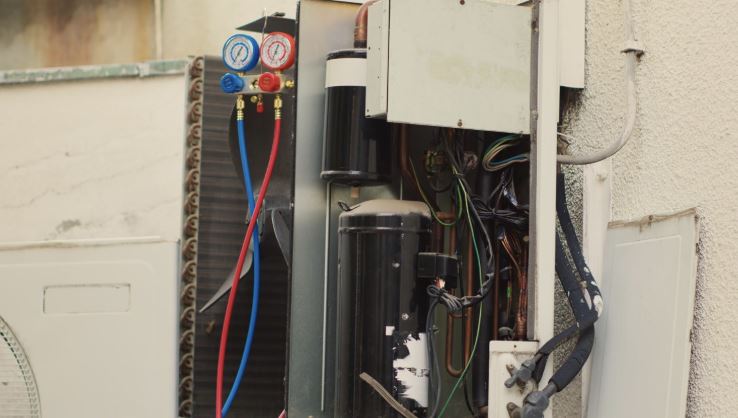
Heat pumps are having a moment. With rising energy costs, federal tax credits, and growing environmental awareness, more homeowners are making the switch from traditional HVAC systems to energy-efficient heat pumps. It’s a smart move, only when done right.
But here’s the problem: heat pump installations are more nuanced than most people realize. What works for traditional furnaces and AC units doesn’t always translate.
We’ve seen countless homeowners rush into Heat Pump Installtion Denver Co projects without understanding the specifics, only to end up with systems that underperform, waste energy, or fail prematurely.
The good news? Most of these mistakes are completely avoidable if you know what to watch for.
Let’s walk through the most common heat pump installation mistakes and how to dodge them.
What You'll Discover:
Mistake #1: Choosing the Wrong Size System
This is the big one. Oversizing or undersizing your heat pump creates a cascade of problems that no amount of tinkering can fix later.
Oversized systems cycle on and off too frequently. They reach temperature quickly, then shut down. Sounds efficient, right? Wrong. Constant cycling:
- Reduces overall efficiency
- Increases wear on components
- Fails to properly dehumidify in summer
- Costs more upfront for the capacity you don’t need
Undersized systems run constantly but never quite keep up. They:
- Struggle during temperature extremes
- Rack up higher energy bills from continuous operation
- Wear out faster from overwork
- Leave you uncomfortable when you need heating or cooling the most
Proper sizing requires a Manual J load calculation. This accounts for your home’s square footage, insulation, windows, orientation, local climate, and dozens of other factors. It’s not guesswork or rules of thumb.
If your installer quotes you a price without doing an actual load calculation, that’s a red flag. Walk away.
Mistake #2: Skipping the Ductwork Evaluation
Many homeowners assume their existing ductwork will work fine with a new heat pump. Sometimes it does. Often it doesn’t.
Heat pumps move air differently from traditional systems. They typically run longer cycles at lower temperatures. If your ducts have:
- Leaks or poor sealing
- Inadequate insulation
- Improper sizing for heat pump airflow
- Restrictive runs or too many bends
…your new heat pump will struggle to perform efficiently, no matter how good the unit itself is.
Leaky ducts alone can waste 20-30% of your heated or cooled air. That’s money literally disappearing into your walls and attic.
A proper installation includes duct inspection and sealing. Sometimes you need duct modifications or upgrades. Yes, it adds cost. But it’s the difference between a heat pump that works as advertised and one that disappoints.
Mistake #3: Ignoring Climate Compatibility
Not all heat pumps are created equal. Where you live matters enormously.
Traditional air-source heat pumps lose efficiency as outdoor temperatures drop. Older models struggled below 40°F and became nearly useless below 25°F. Modern cold-climate heat pumps have improved dramatically, but even they have limits.
If you live in an area with harsh winters, you need:
- A cold-climate heat pump rated for low-temperature operation
- Proper backup heating (usually electric resistance)
- Realistic expectations about performance during extreme cold snaps
Installing a standard heat pump in Minnesota or Maine without understanding its cold-weather limitations is a recipe for misery come January.
Your installer should discuss your local climate and recommend systems designed for your specific conditions. If they’re pushing the same unit they sell in Arizona, question whether they understand your needs.
Mistake #4: Poor Outdoor Unit Placement
Where you put the outdoor unit matters more than most people realize.
Common placement mistakes include:
Too close to the house: Units need adequate airflow. Cramming them against walls or into tight corners restricts airflow and kills efficiency.
Under roof overhangs: Ice and snow can fall on the unit, causing damage. Blocked airflow from accumulated snow hurts performance.
In high-traffic areas: Outdoor units make noise. Putting them outside bedroom windows or next to patios creates noise complaints.
On unstable surfaces: Units need level, solid foundations. Settling or tilting creates mechanical stress and noise.
Where debris accumulates: Near dryer vents, falling leaves, or lawn clippings means constant maintenance.
In full sun without shade: In hot climates, direct sun can reduce cooling efficiency.
The outdoor unit needs level ground, proper clearance (usually 2-3 feet on all sides), protection from falling ice, and a reasonable distance from noise-sensitive areas.
Mistake #5: DIY Installation or Choosing Unqualified Installers
Heat pumps aren’t DIY projects. Full stop.
We get it – installation costs hurt. But heat pumps require:
- Proper refrigerant handling (legally requires EPA certification)
- Electrical work that must meet code
- Precise refrigerant charging
- Complex thermostat wiring and setup
- System balancing and testing
An incorrect refrigerant charge alone can reduce efficiency by 20% or more. Improper electrical work creates fire hazards. Poor installation voids warranties.
Even among “professionals,” not all installers are equally qualified. Your buddy who does AC repair might not understand heat pump specifics. The cheapest bidder might be cheap for a reason.
Look for installers who:
- Are licensed and insured
- Have specific heat pump experience
- Perform load calculations
- Offer warranties on labor and installation
- Can provide recent customer references
Saving $1,000 on installation that costs you $500/year in lost efficiency for the next 15 years is terrible math.
Mistake #6: Neglecting Insulation and Air Sealing
Installing an efficient heat pump in a leaky, poorly insulated house is like putting a band-aid on a gunshot wound.
Heat pumps work best when your home’s heating and cooling loads are minimized. That means:
- Adequate attic insulation (R-38 to R-60 depending on climate)
- Wall insulation where possible
- Sealed air leaks around windows, doors, outlets, and penetrations
- Proper weatherstripping
Many homeowners drop $10,000-$15,000 on a heat pump system but won’t spend $2,000-$3,000 on insulation and air sealing that would reduce their heating and cooling loads by 30%.
The heat pump can’t make up for fundamental building envelope problems. Address those first, or at least simultaneously.
Mistake #7: Wrong Thermostat Setup
Heat pumps require different thermostat strategies than traditional systems.
Using old thermostats: Basic thermostats designed for furnaces don’t optimize heat pump operation. You need a thermostat specifically designed for heat pumps.
Aggressive setbacks: With traditional furnaces, setting back your thermostat at night or when away saves energy. Heat pumps are different. Large temperature swings trigger backup resistance heat, which is expensive to run.
Manual override abuse: Constantly adjusting temperatures or switching modes confuses the system and triggers inefficient backup heat.
Heat pumps work best with consistent temperature settings. Small setbacks (2-3 degrees) are fine. Eight-degree overnight setbacks usually aren’t.
Smart thermostats designed for heat pumps can help, but only if programmed correctly for heat pump operation.
Mistake #8: Forgetting About Backup Heat
Heat pumps are incredibly efficient – until they’re not.
During extreme cold, even the best heat pumps lose efficiency and capacity. That’s when backup heat kicks in. Usually, this is electric resistance heating (essentially giant toaster coils).
Electric resistance heat works, but it’s expensive. Really expensive – often 2-3× the cost of heat pump operation.
Mistakes homeowners make:
Not understanding they have backup heat: Then freaking out when electricity bills spike during cold snaps.
Improperly configured backup heat: It runs when it shouldn’t, wasting money.
No backup plan: In extreme climates, some homes need supplementary heating systems.
Your installer should clearly explain when backup heat engages, how much it costs to run, and what to expect. If you live somewhere with brutal winters, discuss hybrid systems or supplementary heating options.
Mistake #9: Ignoring Drainage and Condensate Management
Heat pumps produce condensation. Lots of it.
In cooling mode, they’re like any AC unit. In heating mode, they produce condensation at the outdoor unit as they extract heat from outside air.
Poor condensate management leads to:
- Ice buildup on outdoor units
- Water damage near the unit
- Drainage problems during freezing weather
- Premature component failure
Proper installation includes:
- Adequate condensate drainage from indoor unit
- Raised outdoor unit installation in snowy climates
- Proper pitch for drainage
- Protection against freezing condensate lines
This seems minor until you’re dealing with ice-encased outdoor units or water damage inside your home.
Mistake #10: Skimping on Maintenance Plans
Heat pumps need regular maintenance. Twice-yearly service is standard – once before cooling season, once before heating season.
Many homeowners install the system, then forget about it until something breaks. By then:
- Filters are clogged, reducing efficiency
- Coils are dirty, limiting heat transfer
- The refrigerant might be low
- Components are wearing unevenly
Regular maintenance typically costs $150-$300 per visit but can prevent $1,000+ repairs and keep the system running efficiently.
Some installers offer maintenance plans. They’re usually worth it. Set-it-and-forget-it annual service ensures your system gets attention before small problems become big ones.
Mistake #11: Failing to Explore Rebates and Incentives
Heat pumps often qualify for:
- Federal tax credits (currently up to $2,000)
- State and local rebates
- Utility company incentives
- Energy efficiency programs
These can total $3,000-$5,000 or more depending on location and system.
Many homeowners don’t research available incentives until after installation – then discover they missed requirements like:
- Pre-approval applications
- Specific efficiency ratings
- Certified installer requirements
- Documentation needs
Research incentives before choosing your system and installer. Some require specific models or efficiency ratings. Some need pre-approval. Some only work with approved contractors.
Leaving $3,000 on the table because you didn’t fill out forms is painful.
Getting It Right
Heat pump installation isn’t just about buying equipment and having someone bolt it in place. It’s a system that needs:
- Proper sizing calculations
- Climate-appropriate equipment selection
- Qualified installation
- Attention to building envelope
- Correct thermostat setup
- Ongoing maintenance
When done right, heat pumps deliver incredible efficiency, year-round comfort, and significant energy savings. When done wrong, they’re expensive disappointments.
Do your homework. Ask questions. Get multiple quotes. Choose installers based on expertise, not just price. Invest in the supporting elements like insulation and ductwork.
The difference between a great heat pump installation and a mediocre one isn’t usually the equipment itself – it’s all the decisions surrounding it.
Get those right, and you’ll wonder why you didn’t make the switch sooner.