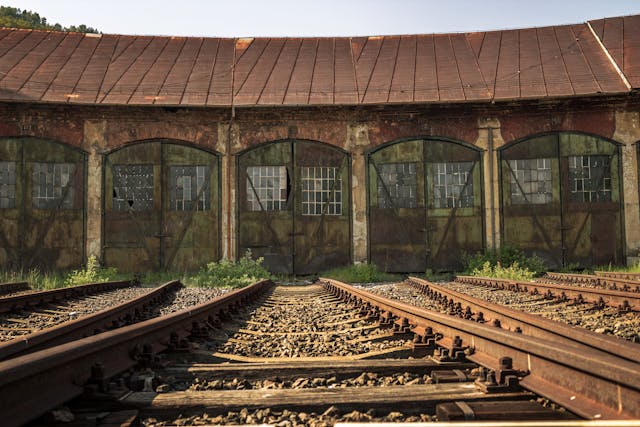
A clear, human look at the Ann Arbor Old Central Fire Station, its history, its changes, and why the building still shapes the city’s identity.
The Ann Arbor Old Central Fire Station refers to the original 1882 firehouse on Huron Street and the later mid-century central station that served before the city modernized its fire facilities. It’s a layered story about how Ann Arbor protected itself as it grew, reflecting broader trends in community business development and public infrastructure investment.
You know how some buildings feel like they’re watching the city grow? That’s what the Ann Arbor Old Central Fire Station feels like. You walk past the spot where firefighters once rolled out horse-drawn wagons and you can almost hear the clatter. I didn’t expect that feeling when I started digging into this story. I thought it would be a simple timeline. But the more I looked at it, the more it acted like a bridge between two versions of Ann Arbor… the small town that needed bucket brigades and the confident city that built stations with steel doors and diesel engines.
And you’re coming with me through all of it. No filler. No nostalgia bait. Just a real look at how this place came to hold so much history.
What You'll Discover:
The Origin Story: The First Old Central Fire Station (1882)
The roots of the Ann Arbor Old Central Fire Station go back to 1882, when the city wanted a bigger, more coordinated fire department. The first firehouse that earned the “central” title sat on Huron Street, right near the core of the old commercial district.
This building didn’t look like a fire station you’d see today. You’d recognize it from its brick tower, because that’s where they hung wet hoses to dry. If the hoses didn’t dry straight, they’d crack. And cracked hoses turned small fires into disasters.
You can imagine the setup: a pair of wide entrances, heavy wooden doors, a living area where firefighters slept in shifts, and a bell tower that doubled as the closest thing Ann Arbor had to an emergency alert system.
But the interesting part isn’t its architecture. It’s the contradiction built into its purpose. The city needed a “central” station because Ann Arbor was growing fast. Yet almost immediately, the building struggled to keep up with that growth.
The place was always getting retrofitted. Stronger beams. Bigger doors. More space. It’s like the building was arguing with its own future. You can feel that when you look at the old photos.
Why the 1882 Station Became “Old” So Quickly
When you read through old city reports, one thing stands out. Ann Arbor loved the 1882 station, but it outgrew it almost as soon as it opened. The university expanded. Houses filled the gaps between downtown blocks. And fires became more complicated.
Two major changes pushed the station toward “old” status:
1. Motorized fire engines
The early trucks were heavier and wider than horse-drawn wagons. The station had to be modified again and again. But you can only stretch a building so far.
2. Shifts became larger
More firefighters meant more equipment, more living space, more training space. The original station wasn’t built for that kind of scale.
There’s a kind of charm in how the city tried to keep the station alive. You can tell they respected it. But at some point, the building became a historical object while still trying to function as a modern station. That clash defined its final decades.
The Rise of the Newer “Old” Central Station (Mid-20th Century)
Here’s where the keyword gets interesting. When locals say “Ann Arbor Old Central Fire Station,” many are actually referring to the mid-20th-century building that took over central operations after the 1882 station retired.
This newer station sat closer to the university. It had that practical, no-nonsense mid-century look: flat lines, concrete detail, and a layout built around trucks instead of horses.
This era of the fire department brought:
- diesel engines
- larger crews
- radio dispatch
- new training practices
- fire safety education programs
The building reflected that shift. It wasn’t romantic like the 1882 structure, but it was efficient. And efficiency was the point.
But here’s the twist. Just like the first central fire station, this one eventually became “old,” too. The city kept growing. Technology kept improving. Standards changed. Trucks got even bigger.
Ann Arbor was heading into the modern era of firefighting, and the mid-century station wasn’t built for it.
Why Both Stations Hold the “Old Central Fire Station” Name
If you’re trying to figure out which building the keyword points to, you’re not alone. Both buildings became “old” in their own era. And both served as the “central” hub of the fire department.
The phrase survived because residents used it to describe whichever station came before the newest upgrade. It’s one of those naming quirks that sticks to a town whether it makes sense or not.
Ann Arbor Was Changing, and Its Firehouses Had to Change With It
You can learn a lot about a city by watching how its essential buildings evolve. Fire stations are especially honest. They respond directly to population, density, risk, and technology. Ann Arbor’s story is no different.
Here’s the simpler version: The city kept growing, and each station kept hitting its limits.
But the deeper version hits harder. Ann Arbor’s identity shifted from a small, university-centered town to a more complex city. The fire department had to think beyond local fires. They needed training for hazardous materials, industrial fires, broader rescue operations, and more advanced medical response.
An 1882 structure couldn’t do that. A mid-century structure could handle some of it, but not for long.
So the name “Old Central Fire Station” turned into a relic. Not because people forgot it. But because the city outgrew it.
The Architecture That Defined Each Era
If you’re into buildings, this part hits home.
The 1882 Station
- Brick façade
- Tall drying tower
- Wooden engine doors
- Ornamental Victorian detail
- Living quarters above the main floor
This station was built when craftsmanship mattered more than construction speed.
The Mid-Century Station
- Concrete and steel
- Wide truck bays
- Functional layout
- Minimal ornamentation
- Administrative offices integrated into the engine floor plan
This one was built for durability and speed.
Seeing photos of both side by side tells you how drastically firefighting changed.
When the Old Stations Finally Closed
You can’t run a modern fire department out of a nostalgic structure. Eventually the city admitted that both “old” central stations had served their purpose. The closures didn’t happen overnight. They happened in stages.
You might think people protested heavily. Surprisingly, many supported the upgrades. Ann Arbor has always cared about safety. And when you look at the numbers… response times, staffing, equipment needs… you realize the old stations were doing their best but couldn’t keep up.
The emotional weight hit later. Once the trucks left, people saw the buildings differently. They weren’t loud, busy spaces anymore. They were shells with stories inside.
What Happened to the Buildings After Retirement
Some cities demolish old firehouses without blinking. Ann Arbor tends to preserve, repurpose, or at least debate the future before making a move.
The 1882 station sparked most of those debates. Should it stay? Should it be redeveloped? Should it be turned into something else entirely? You see this tension every time a historic building tries to survive in a modern city.
It’s not just architecture. It’s identity.
The modern “old” central station had a quieter path. It transitioned through various uses until the city reorganized how departments operated downtown.
Neither station carries fire engines anymore. But both remain part of the city’s memory.
Why the Old Central Stations Still Matter Today
If you’re wondering why people still search this keyword, the answer is simple. Ann Arbor has a way of treating old buildings like characters. And the fire stations played vital roles in different chapters of the city’s story.
They matter because:
- they show how the city adapted
- they documented the rise of modern public safety
- they preserved craftsmanship from different eras
- they connect past municipal decisions to present ones
- they still shape how people visualize “old Ann Arbor”
And if you’ve ever walked downtown and felt that odd pull from a building that isn’t even in use anymore, you already understand why the Old Central Fire Station still comes up today.
Two Stations, Two Eras
Below is a simple comparison to clarify the differences.
| Feature | 1882 Old Central Station | Mid-Century Central Station |
|---|---|---|
| Main Purpose | Horse-drawn fire response | Motorized truck response |
| Style | Victorian brick | Mid-century functional |
| Key Feature | Hose-drying tower | Wide truck bays |
| Strength | Craftsmanship | Efficiency |
| Limit | Too small for modern gear | Too small for modern standards |
| Why It Became “Old” | Ann Arbor grew rapidly | Fire tech outpaced the building |
You can see how the phrase “Old Central Fire Station” fits both without contradiction.
How the Stations Fit Into Ann Arbor’s Larger Growth
You can’t separate these fire stations from the city’s evolution. As the university expanded, as neighborhoods spread, and as businesses moved beyond the old downtown core, the fire department had to reinvent itself. Every time the city changed, the stations were the first to feel it.
If you think about it, that’s what makes this topic so interesting. It’s not just about a building. It’s about a place that kept adapting because the people who lived here kept demanding more from the city and from themselves.
The Ann Arbor Old Central Fire Station tells you that the city never stayed still. It kept pushing. And its buildings had to chase that momentum.
Why Locals Still Tell Stories About It
Ask people who grew up in Ann Arbor and you’ll hear small stories:
- a firefighter waving to kids during school visits
- the way the truck sirens echoed between buildings downtown
- the old brick drying tower glowing at sunset
- the engine doors slamming open during emergencies
These aren’t dramatic stories. But they’re the ones that stick. And that’s why the keyword still gets searched. People are trying to find pieces of their past… or understand the city they moved into.
Key Takings
- The Ann Arbor Old Central Fire Station refers to both the original 1882 firehouse and the later mid-century central station.
- The 1882 station became “old” fast because the city outgrew it.
- The mid-century station became “old” when modern firefighting standards surpassed its size and layout.
- Both buildings reveal how Ann Arbor expanded, shifted, and reinvented its public safety systems.
- Each station reflects its era: Victorian craftsmanship vs. functional mid-century design.
- Residents still feel connected to these buildings because they played important roles in community identity.
- The story shows how cities change and how essential services must evolve with them.