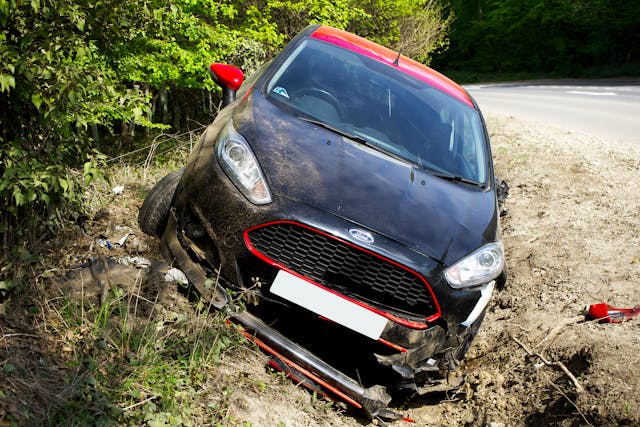
Lyft crash in Dallas? What to do if Lyft’s insurance denies your claim and how to protect your rights after an accident. Get help.
Over the last few years, ridesharing has become part of everyday life in Dallas.
● You open an app
● A driver shows up in minutes
● No parking
● No waiting
● No stress about getting home
This convenience is exactly why millions of people ride a Lyft.
But more rides also mean more traffic.
According to national traffic statistics – more than 42,000 people die in vehicle collisions in the United States each year. Texas has regularly been among the states with the greatest number of reported accidents. The Texas Department of Transportation records hundreds of thousands of collisions statewide each year – with many occurring in densely populated cities such as Dallas.
Ridesharing cars are part of the traffic flow. According to studies – the expansion of services like Lyft has led to increasing traffic congestion in major cities. More automobiles on the road might lead to increased accident risk.
So what happens when the ride does not go as planned?
● Maybe you were the passenger.
● Maybe a Lyft driver hit your car.
● Maybe you were injured and now the bills are coming in.
You file a claim expecting the insurance process to be straightforward.
Then you receive a denial.
If Lyft’s insurance denies your claim in Dallas, it can create confusion and financial pressure quickly. Understanding how rideshare coverage works – and what steps to take next – becomes critical.
Here is what you need to know.
What You'll Discover:
Why Lyft’s Insurance Might Deny a Claim
Insurance companies must provide a reason when they deny a claim. Some reasons are legitimate. Others may be disputed.
Common reasons include:
● The driver was not logged into the Lyft app
● The driver was between rides
● The insurer claims you were at fault
● Coverage limits were misunderstood
● Medical treatment was delayed
● Documentation was incomplete
● A policy exclusion applies
The denial letter usually explains the reason. Read it carefully. Focus on the exact language used.
The reason matters because it determines your next move.
The Driver’s App Status Makes a Big Difference
Lyft coverage depends on what the driver was doing at the time of the crash.
There are three main phases:
- App off
- App is on but waiting for a ride request
- Ride accepted or passenger inside the vehicle
If the app was off, the driver’s personal auto insurance usually applies.
If the app was on but no passenger was assigned, limited coverage may apply.
If the driver had accepted a ride or was transporting a passenger, Lyft’s larger commercial policy may apply.
Disputes often center on this timing.
If Lyft claims the driver was not active on the app, you may need trip records or digital logs to confirm the driver’s status.
Disputes Over Fault
Another common reason for denial involves fault.
Texas follows a modified comparative fault rule. If you are found more than 50 percent responsible, you cannot recover damages. If you are less than 51 percent at fault, your compensation may be reduced based on your percentage of responsibility.
Insurance companies may argue:
● You caused the accident
● You contributed to the crash
● Another driver is responsible
● Road conditions caused the collision
If the fault is disputed, evidence becomes critical.
Helpful evidence may include:
● Police reports
● Witness statements
● Photos of the scene
● Traffic camera footage
● Dashcam video
● Medical records
● Vehicle damage reports
If the denial is based on fault, review the evidence carefully.
Coverage Gaps Can Create Confusion
Rideshare insurance policies have layers.
Sometimes the driver’s personal insurance denies the claim. Then Lyft’s insurance argues that limited coverage applies. This can leave injured people stuck between two insurers.
For example:
● The driver was logged into the app but had not accepted a ride
● The personal policy denies coverage due to commercial activity
● Lyft’s insurer limits coverage during that phase
If you are caught in this gap, it may require a formal challenge.
Understanding which policy applies first is important.
Steps You Can Take After a Denial
A denial is not the end of the process. You can still take action. Start with these steps:
1. Request a Written Explanation
Ask for the full reason in writing if it was not already provided.
2. Review the Policy Terms
Understand which coverage phase applies.
3. Gather Missing Documents
If the insurer says your file was incomplete, submit additional records.
4. Get the Police Report
This can clarify timelines and fault.
5. Request Lyft Trip Records
Digital logs can confirm the driver’s app status.
6. Organize Medical Records
Insurance companies often question delayed treatment.
7. Avoid Recorded Statements Without Preparation
Statements can later be used against you.
Careful review often reveals whether the denial is valid or questionable.
If You Were a Passenger
If you were inside the Lyft vehicle during the crash, coverage may be stronger.
When a ride is active:
● Lyft’s commercial liability policy may apply
● Uninsured motorist coverage may apply
● Underinsured motorist coverage may apply
If your claim as a passenger was denied, confirm that the ride was officially active in the app.
Trip receipts and app confirmations can help prove that detail.
If Another Driver Caused the Crash
Sometimes Lyft’s insurer denies a claim because another driver was responsible.
In that case:
● The at-fault driver’s insurance should apply first
● If that driver lacks insurance, Lyft’s uninsured coverage may apply
● If the driver has low limits, underinsured coverage may apply
Understanding how primary and secondary coverage works can prevent confusion.
Watch for Unfair Insurance Tactics
Insurance companies must investigate claims properly.
Possible warning signs of unfair handling include:
● Ignoring submitted evidence
● Delaying responses without explanation
● Misstating coverage limits
● Refusing to review new documentation
If you suspect improper handling, keep detailed records.
Save:
● Emails
● Letters
● Claim numbers
● Adjuster names
● Dates of phone calls
Clear documentation protects you if the dispute escalates.
Medical Bills Continue During the Dispute
One difficult reality is that medical bills do not stop just because a claim is denied.
If treatment is ongoing, consider:
● Using personal health insurance
● Asking providers about payment plans
● Tracking all out-of-pocket expenses
● Keeping copies of every bill
If the claim later resolves in your favor, those records will matter.
Legal Guidance May Become Necessary
Rideshare insurance disputes can become technical. Corporate insurers have experienced adjusters reviewing claims.
If your claim was rejected and the justification is confusing or unjust, you should consult with a Dallas Lyft accident attorney to analyze your case.
This does not necessarily imply bringing a lawsuit. It entails determining if the rejection is contestable and what choices you have under Texas law.
A formal demand letter might help to restart discussions. In certain circumstances, legal action may be necessary to address coverage problems.
Pay Attention to Deadlines
Texas law specifies deadlines for bringing personal injury cases. In most circumstances, you have two years from the date of the accident.
Insurance talks do not delay the deadline.
If conversations continue without a conclusion, you risk losing your right to make a claim in court.
Understanding the timing preserves your legal choices.
Final Thoughts
A refusal from Lyft’s insurance provider might be frustrating. It might exacerbate stress when you are already coping with injuries and financial difficulties.
However, a rejection does not imply that you do not have a viable claim.
Consider the reason carefully and prepare your defense.
When you understand Lyft’s coverage and how Texas fault laws apply – you will be in a better position to reply to the rejection and go ahead with confidence.