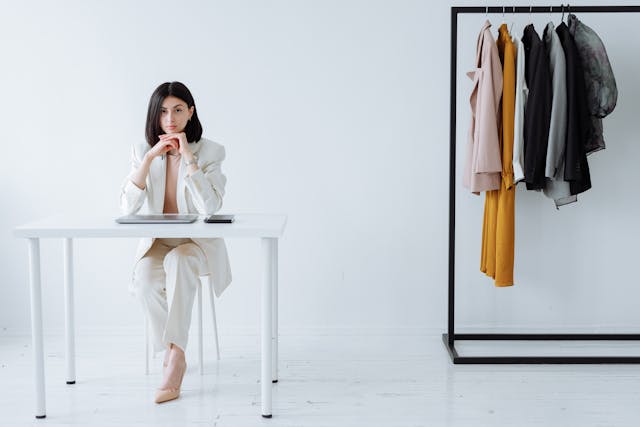
Discover the rise of minimalist women’s fashion, why it’s trending, and how to build a timeless, stylish wardrobe with fewer pieces.
The fashion industry has undergone a remarkable transformation over the past decade, and minimalist women’s fashion has emerged as one of its most influential movements. What makes this shift so compelling? It’s the elegance found in simplicity rather than excess, clean lines, neutral palettes, and timeless silhouettes that speak volumes without shouting. Women across the globe have embraced this aesthetic, discovering that less really can be more when it comes to personal style. But here’s what’s truly interesting: minimalist fashion isn’t just another fleeting trend. It represents a fundamental change in how modern women think about their wardrobes, choosing quality and versatility over the disposable nature of fast fashion. As we’ve become more conscious about sustainability and mindful living, this approach has evolved from a niche preference into a lifestyle choice that resonates across age groups and backgrounds.
What You'll Discover:
The Philosophy Behind Minimalist Fashion
At its heart, minimalist fashion challenges everything the traditional industry has taught us about style. Instead of chasing every seasonal trend, it asks a different question: what if you owned fewer things, but each piece was exceptional? This philosophy draws from the broader minimalist movement, valuing items that serve multiple purposes and genuinely stand the test of time. Think about it, when you invest in well-constructed garments made from premium materials, they maintain their beauty and functionality for years. The focus shifts to classic designs that transcend temporary fads, creating a more sustainable and economical approach to dressing.
Key Elements of the Minimalist Wardrobe
So what actually makes up a minimalist wardrobe? The foundation starts with neutral colors, black, white, gray, beige, and navy, that work together seamlessly and never feel outdated. These hues create endless possibilities for coordination while maintaining sophistication. Simple silhouettes take center stage, featuring clean lines and minimal embellishment that flatter various body types without trying too hard. Quality matters immensely here.
The Cultural Shift Toward Conscious Consumption
Something significant has happened in recent years. Women have started questioning the true cost of fast fashion, recognizing the environmental damage, textile waste, and exploitative labor practices hidden behind bargain price tags. This awareness hasn’t just sparked guilt; it’s driven real change in purchasing behavior. There’s growing demand for brands that prioritize transparency, fair wages, and eco-friendly manufacturing aligned with minimalist values. The movement reflects a broader cultural pivot away from mindless consumerism toward intentional living, where quality and longevity trump quantity and disposability. Social media has amplified this message, with influencers demonstrating how capsule wardrobes can be both stylish and sustainable. When building a capsule wardrobe focused on essential pieces, many women turn to streamlined collections like the Dash clothing collection that embody these minimalist principles through carefully curated basics. Today’s consumers increasingly view clothing choices as expressions of personal values, using their purchasing power to support businesses that align with their environmental and social priorities while rejecting the perpetual consumption cycle traditional fashion marketing promotes.
Minimalism’s Influence on Modern Design
Contemporary designers have taken notice, and the results have been fascinating. High-end fashion houses and independent creators alike have embraced clean aesthetics, proving that minimalism coexists beautifully with luxury and innovation. This design philosophy has reshaped everything from runway presentations to retail spaces, with stores adopting sparse, gallery-like environments that mirror minimalist values. The emphasis on craftsmanship has elevated these pieces beyond mere clothing into investment items worth treasuring. Designers working within this aesthetic obsess over perfecting proportions, selecting exceptional materials, and ensuring impeccable construction. Every stitch matters. Every seam tells a story. The influence extends beyond garments to accessories, footwear, and jewelry, creating comprehensive lifestyle brands that embody minimalist philosophy across all categories. What ties everything together? A consistent visual language and unwavering commitment to quality that customers can recognize and trust.
Practical Benefits for Modern Women
Let’s talk about real, world advantages, because minimalist fashion delivers more than just good looks. A streamlined wardrobe dramatically reduces morning stress, fewer choices actually make getting dressed easier, not harder. Who hasn’t stood in front of a packed closet feeling like they had nothing to wear? Minimalism solves that paradox. Travel becomes simpler too; women can pack lighter while maintaining outfit variety throughout their trips.
Conclusion
The rise of minimalist women’s fashion marks a meaningful evolution in how we approach style, consumption, and self-expression. This isn’t just about aesthetic preference; it’s about addressing genuine needs for sustainability, practicality, and timeless elegance that resonate across generations. The movement has proven its staying power precisely because it solves real problems in modern women’s lives. As priorities continue shifting toward quality over quantity and intentionality over impulse, minimalist fashion seems positioned to maintain its influential role in the industry.