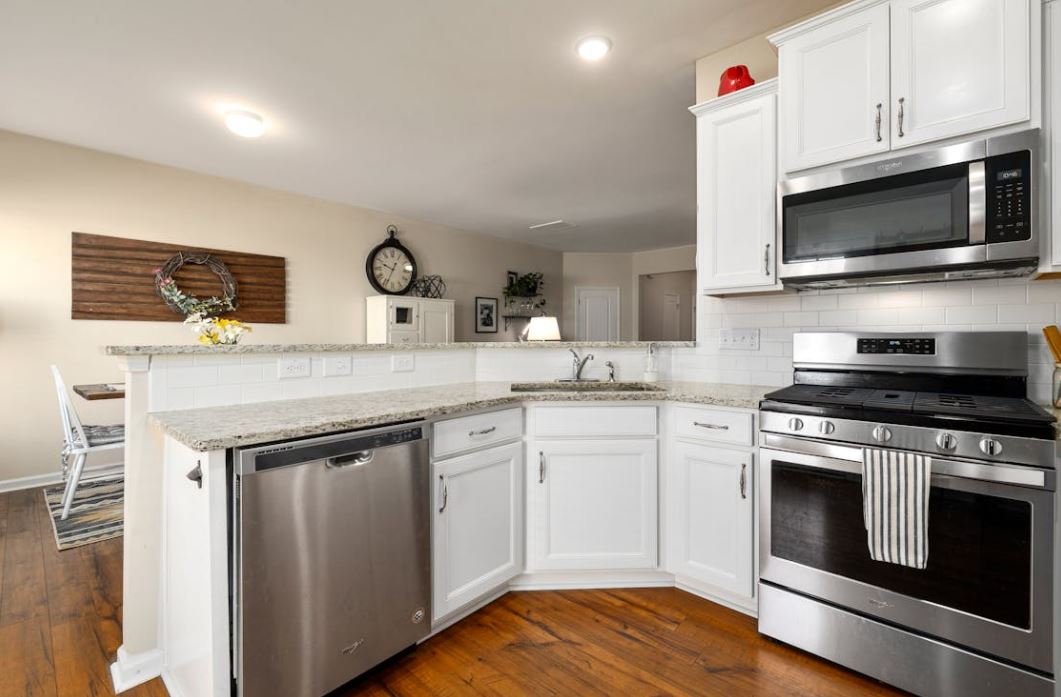
Decide whether a full remodel or fast kitchen refresh delivers the biggest impact for your budget and lifestyle.
The kitchen is often described as the heartbeat of the home, the central hub where meals are prepped, homework is finished, and guests inevitably gather, regardless of how comfortable the living room furniture is. However, for many homeowners, this vital space is also a source of daily frustration, characterized by awkward layouts, dated aesthetics, or cabinets that are practically falling off their hinges. When you finally decide to pull the trigger on a renovation, you are immediately faced with a massive fork in the road: do you tear everything down to the studs for a complete reimagining, or do you work with what you have for a cosmetic update? It is a choice that dictates your budget, your timeline, and the ultimate disruption to your life, yet both paths can lead to a stunning result if you pair the right cabinetry with premium kitchen countertops.
The decision essentially boils down to the “bones” of your current space and your long-term goals for the property. A total transformation is an architectural endeavor; it is about correcting the sins of the past, such as a refrigerator door that hits the island or a sink that stares at a blank wall instead of a window. On the other hand, a rapid refresh, often achieved through cabinet refacing, is a cosmetic intervention designed to modernize the visual appeal without the heavy lifting of demolition. It’s the difference between buying a tailored suit and having your existing favorite suit dry-cleaned and fitted with new buttons; both improve your appearance, but one requires significantly more time and investment than the other.
Navigating this choice requires a bit of introspection and research into what is actually possible within your existing four walls. You need to ask yourself if you are merely tired of the color of your cabinets, or if the actual workflow of the room drives you crazy every time you try to cook dinner. If your frustration is purely visual, tearing out high-quality cabinet boxes just to change the style might be a waste of resources. Conversely, if your kitchen feels claustrophobic, no amount of new paint will fix the square footage. For those currently weighing these options and needing visual examples of how a specialized remodel can breathe new life into a space, you can check http://kitchenmagic.com to see the difference between full remodels and refacing projects.
What You'll Discover:
The Deep Dive into “Design-Build”
There is a romantic allure to the “gut renovation”, the idea of swinging a sledgehammer and starting with a blank canvas, but this approach is best suited for homeowners who need to fundamentally alter how their home functions.
A full design-build project is a holistic process that goes far beyond picking out tile samples and paint swatches. This is the path for you if you have ever dreamed of knocking down the wall between the kitchen and the dining room to create an open-concept flow, or if you need to physically expand the footprint of your house with an addition. In this scenario, you aren’t just a decorator; you are engaging in construction. This route allows you to relocate major appliances, which requires moving gas lines, plumbing, and electrical wiring. It is the only way to fix deep-seated issues like poor lighting design or insufficient ventilation. While it is the most expensive and disruptive option, it also offers the highest ceiling for customization. You can build a kitchen that is perfectly tailored to your specific ergonomic needs, ensuring that every drawer and appliance is exactly where you want it to be.
The “Face-Lift” Alternative
If you are happy with the general layout of your kitchen but can’t stand the sight of 1990s golden oak or chipped laminate, a rapid refresh through refacing offers a compelling alternative that saves time, money, and sanity.
Refacing is a clever hybrid between a minor touch-up and a full replacement. The process involves keeping your existing cabinet “boxes”, the structural frames bolted to the wall, and reinforcing them with a new veneer skin that matches your desired style. Then, the old doors and drawer fronts are removed and replaced with brand-new, custom-manufactured ones. To the naked eye, the result is indistinguishable from a brand-new cabinet installation. This approach is ideal for kitchens that have “good bones,” meaning the boxes are structurally sound and the layout is functional. It allows you to completely change the color, material, and door style of your kitchen without the dust and debris of demolition. Because you aren’t removing the cabinets, you also avoid the domino effect of having to repair drywall, replace flooring, or repaint the entire room, which often happens when old cabinets are pried off the wall.
Budgeting for Your Goals
One of the most difficult aspects of planning a kitchen renovation is understanding where the money actually goes, as the price difference between a full remodel and a refresh can be staggering.
In a total transformation design-build project, a significant portion of your budget is consumed by labor and “invisible” improvements. You are paying for demolition crews, plumbers, electricians, permit fees, and structural engineers before you even buy a single cabinet knob. While this adds immense value to the functionality and safety of the home, it doesn’t always show up in the Instagram photo. In contrast, with a refacing project or a cosmetic update, the vast majority of your budget goes toward the materials that you can see and touch. You are paying for high-quality doors, hardware, and finishes. This means that for the same amount of money, you might be able to afford higher-end finishes in a refacing project than you would in a gut renovation, simply because you aren’t spending thousands of dollars moving a drain pipe three feet to the left.
Timeline Reality Check
Beyond the financial cost, there is the “emotional cost” of living in a construction zone, and this is often the deciding factor for families with young children or busy careers.
A full structural renovation is a marathon, not a sprint. It is not uncommon for a complete kitchen overhaul to take several months, during which time you will likely be washing dishes in the bathtub and living off microwave meals or takeout. The process involves multiple inspections and waiting periods for different trades to complete their work. On the other hand, a rapid refresh is designed for speed and efficiency. Because the heavy construction is eliminated, a professional refacing team can often finish the entire job in three to five days. You don’t have to empty your cabinet boxes, and your kitchen remains largely functional during the evenings. For homeowners who want a fresh look before a big holiday or an upcoming real estate listing, the speed of a refresh is a massive advantage that cannot be overstated.
Making the Final Call
Ultimately, the choice between a total transformation and a rapid refresh depends on an honest assessment of your current kitchen’s condition and your tolerance for disruption.
If your cabinets are sagging, water-damaged, or made of low-quality particle board that is crumbling, refacing is merely putting a bandage on a broken leg; in that case, a full replacement is the necessary investment. However, if your cabinets are sturdy and your layout works well for your cooking style, tearing them out is an unnecessary expense and an environmental waste. Whichever path you choose, the goal is the same: to create a space that brings you joy, functions seamlessly, and adds lasting value to your home. Take the time to consult with professionals who offer both services, so you can get an unbiased opinion on whether your kitchen needs a simple facelift or major surgery.