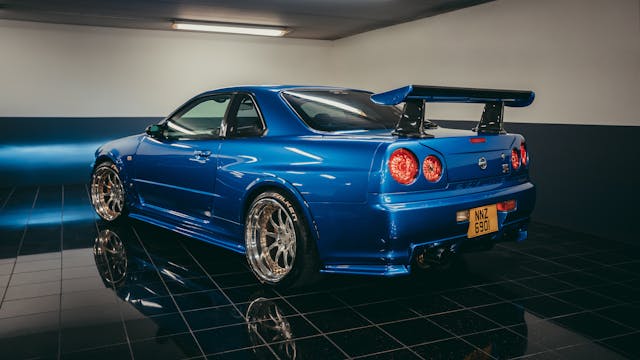
Integra DB8 Mugen: explore specs, mods, history, and why this rare JDM sedan remains a cult favorite among Honda enthusiasts.
The Integra DB8 Mugen refers to a modified version of the 4-door Honda Integra DB8 enhanced by Mugen, featuring performance upgrades, lightweight parts, and track-focused tuning.
It’s a rare sleeper sedan that combines practicality with race-bred DNA.
I didn’t expect a four-door sedan to make me feel this way.
At first glance, the DB8 looks like something your uncle might’ve driven to work in the late ‘90s, quiet, tidy, almost forgettable. But then I stumbled into the world of Mugen-tuned Hondas, and suddenly the story shifted. This wasn’t just a sedan anymore. It was a disguised weapon.
And honestly, that contradiction kept pulling me in.
Because the Integra DB8 Mugen isn’t loud about what it is. It doesn’t scream like a widebody build or flex like a modern turbo monster. It whispers. And if you’re paying attention, you realize… that whisper carries serious intent.
What You'll Discover:
What Exactly Is the Integra DB8 Mugen?
The Integra DB8 Mugen is not a factory model you could just order from a dealership.
It’s more like a philosophy applied to a chassis.
The Base: Honda Integra DB8
The Honda Integra DB8 is the four-door version of the Integra platform produced in the mid-to-late 1990s. While most people obsess over the coupe (DC2), the DB8 quietly offered something different:
- Same B-series engine platform
- Same front-wheel-drive dynamics
- More practicality (four doors, usable rear seats)
But less hype.
And sometimes, less hype is exactly what creates cult status.
The Upgrade: Mugen Engineering
Mugen, short for “Mugen Motorsports”, is essentially Honda’s shadow performance division. Not officially part of Honda, but deeply intertwined.
Think of Mugen as:
- The engineer who refuses compromises
- The tuner who prefers balance over brute force
- The artist who sees airflow as sculpture
When Mugen touches a DB8, the goal isn’t just speed.
It’s precision.
Why the DB8 Platform Works So Well for Mugen Builds
Here’s where things start to click.
The DB8 is lighter than most modern cars, structurally rigid for its era, and perfectly suited for high-revving naturally aspirated engines. It’s not trying to overpower physics, it’s working with it.
Balance Over Power
“Lightweight chassis + responsive engine = driver engagement.”
That’s the DB8 formula.
Mugen builds amplify this by:
- Improving suspension geometry
- Reducing unnecessary weight
- Enhancing throttle response
The result?
Not the fastest car in a straight line.
But one of the most satisfying to drive.
The Sleeper Effect
There’s something almost rebellious about a fast sedan that doesn’t look fast.
You pull up next to something flashy, and no one expects much from you.
And then, corners happen.
Signature Mugen Upgrades for the Integra DB8
Let’s break down what actually makes a DB8 “Mugen.”
Because it’s not just a badge.
Engine Enhancements
Mugen typically refines rather than replaces.
Common upgrades include:
- High-performance camshafts
- Upgraded intake and exhaust systems
- ECU tuning for higher RPM efficiency
“Mugen setups prioritize usable power over peak horsepower.”
It’s not about numbers.
It’s about feel.
Suspension & Handling
This is where things get serious.
Mugen suspension components often include:
- Sports dampers and springs
- Reinforced bushings
- Strut tower bars
The goal?
Turn every corner into a conversation between driver and road.
Aerodynamics
Subtle but effective.
Mugen body kits usually feature:
- Front lips for improved airflow
- Rear spoilers for stability
- Side skirts for aerodynamic balance
Nothing exaggerated.
Everything purposeful.
Interior Touches
Even inside, Mugen keeps it focused:
- Sport steering wheels
- Lightweight bucket seats
- Short-throw shifters
It’s a cockpit, not a lounge.
DB8 vs DC2: The Debate That Never Ends
This is where things get… interesting.
Because every time the DB8 comes up, someone inevitably says:
“Why not just get a DC2?”
And honestly? It’s a fair question.
Comparison Table
| Feature | DB8 (Sedan) | DC2 (Coupe) |
| Body Style | 4-door | 2-door |
| Weight | Slightly heavier | Slightly lighter |
| Rarity | Higher (less popular) | Iconic |
| Practicality | High | Low |
| Market Demand | Niche | Very high |
| Sleeper Appeal | Strong | Moderate |
The Real Difference
The DC2 is celebrated.
The DB8 is discovered.
And that difference changes everything.
Because owning a DB8 Mugen build feels less like following a trend, and more like finding your own lane.
The Driving Experience: What It Actually Feels Like
I kept trying to describe it in numbers.
Horsepower. Torque. RPM.
But none of that really captures it.
Driving an Integra DB8 Mugen feels like:
- The car is lighter than it should be
- The engine is sharper than expected
- The steering is more honest than modern systems
There’s no filter.
No artificial enhancement.
Just mechanical clarity.
And in a world full of digital driving experiences… that’s rare.
Is the Integra DB8 Mugen Rare?
Short answer: Yes.
Long answer: It depends on what you mean by “Mugen.”
Factory vs Modified
- Genuine Mugen parts are limited and often discontinued
- Fully documented Mugen builds are extremely rare
- Many “Mugen” DB8s are partial builds or inspired setups
Authentic Mugen components significantly increase vehicle value.
So if you find a real one?
You’re not just buying a car.
You’re buying a piece of tuning history.
Building Your Own Integra DB8 Mugen-Inspired Car
This is where things get personal.
Because most people won’t find a perfect Mugen DB8.
They’ll build one.
Step 1: Start with a Clean DB8
Rust-free. Structurally sound. Stock if possible.
The foundation matters more than the mods.
Step 2: Prioritize Handling
Before chasing power:
- Upgrade suspension
- Improve braking
- Refresh bushings
Because speed without control… isn’t fun for long.
Step 3: Add Mugen Components (or Equivalents)
Original parts are rare, but alternatives exist.
Focus on:
- Intake/exhaust balance
- Lightweight wheels
- Aerodynamic efficiency
Step 4: Keep It Subtle
This might be the hardest part.
Resist the urge to overbuild.
Because the magic of the DB8 Mugen… is restraint.
The Cultural Legacy of Mugen Integra Builds
Something interesting happens when a car isn’t mainstream.
It becomes a story people tell each other.
The DB8 Mugen sits in that space.
Not as famous as the Acura Integra Type R.
Not as flashy as modern builds.
But quietly respected.
Why Enthusiasts Respect It
- It rewards skill over power
- It values engineering over aesthetics
- It represents a purer era of tuning
And maybe that’s why it sticks.
Because it reminds people of what driving used to feel like.
FAQ
What is an Integra DB8 Mugen?
It’s a Honda Integra DB8 sedan modified with Mugen performance parts, focusing on handling, balance, and subtle performance gains.
Is the DB8 better than the DC2?
Not necessarily better, just different. The DB8 offers practicality and sleeper appeal, while the DC2 is lighter and more iconic.
Are Mugen parts still available?
Some are discontinued and rare, but certain components can still be found through collectors or aftermarket alternatives.
How much horsepower does a Mugen DB8 have?
It varies by build, but typically modest gains over stock, Mugen prioritizes efficiency and responsiveness over raw power.
Is the Integra DB8 a good project car?
Yes, especially for enthusiasts who value handling, balance, and a unique platform over mainstream builds.
Key Takings
- The Integra DB8 Mugen is a rare blend of practicality and performance rooted in JDM culture.
- Mugen upgrades focus on balance, not brute force.
- The DB8’s sleeper status makes it uniquely appealing among enthusiasts.
- Compared to the DC2, it offers more subtlety and individuality.
- Authentic Mugen builds are rare and highly valued.
- Building one requires restraint, not excess.
- Its legacy lies in driving feel, not just specifications.
Additional Resources:
- Mugen Official Website: Explore Mugen’s history, philosophy, and engineering approach behind Honda performance tuning.