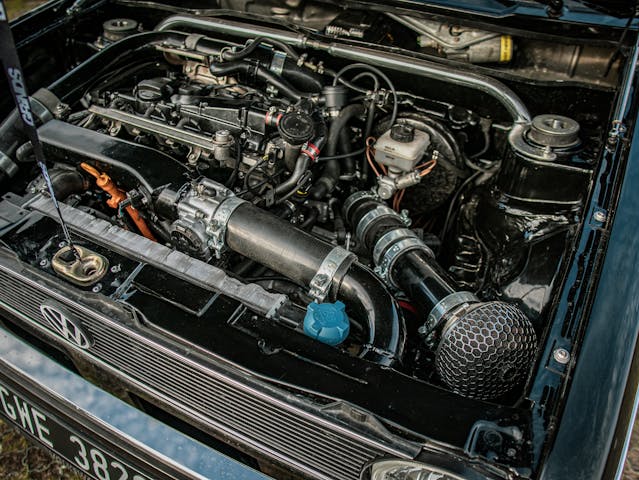
GM L87 engine lawsuits consolidated: why cases were merged, alleged defects, and what it means for Silverado and Escalade owners.
GM L87 engine lawsuits consolidated means multiple lawsuits filed against General Motors over alleged defects in the 6.2L L87 V8 engine have been combined into one federal legal process.
This allows courts to manage similar claims together, streamline evidence review, and determine whether the engine design caused widespread failures.
Most engine problems don’t start with a dramatic bang.
They start with a sound.
A tick that wasn’t there yesterday. A knock that shows up during a quiet drive home. Something subtle enough that drivers convince themselves it’s probably nothing.
Then one day the engine simply stops.
For some owners of GM’s full-size trucks and SUVs, that moment turned into more than a mechanical issue. It became the beginning of a legal fight.
Across the United States, drivers began reporting eerily similar stories involving the L87 6.2-liter V8 engine used in high-end trucks and SUVs. Engines failing earlier than expected. Repairs costing thousands. Replacement engines back-ordered.
Individually, those complaints might have faded into the background noise of car ownership.
But together they formed a pattern.
Soon lawsuits started appearing in courts across the country. Different lawyers. Different states. But the same core claim.
Eventually, something important happened.
The GM L87 engine lawsuits were consolidated into a single legal process so the cases could be handled together.
At first that phrase sounds like pure legal jargon. But the deeper I looked, the clearer it became: consolidation is the moment when scattered complaints transform into a structured legal battle.
And that’s where the story really begins.
What You'll Discover:
Understanding the GM L87 Engine
What Is the L87 Engine?
The L87 engine is General Motors’ 6.2-liter V8 powerplant introduced in many trucks and SUVs starting around the 2019 model year.
It belongs to the EcoTec3 engine family, a lineup designed to combine raw power with modern efficiency technology.
Key specifications include:
- 6.2-liter displacement
- Approximately 420 horsepower
- Around 460 lb-ft of torque
- Direct fuel injection
- Dynamic Fuel Management cylinder system
On paper, the engine represents the pinnacle of GM’s truck engineering.
It’s powerful, refined, and designed for vehicles that tow boats, haul trailers, and cruise highways with ease.
But high performance often comes with complexity.
And complexity sometimes creates new failure points.
Vehicles That Use the L87 Engine
The engine appears in several popular GM vehicles, including:
| Brand | Model | Approx Model Years |
| Chevrolet | Silverado 1500 | 2019–Present |
| GMC | Sierra 1500 | 2019–Present |
| Chevrolet | Tahoe | 2021–Present |
| Chevrolet | Suburban | 2021–Present |
| Cadillac | Escalade | 2021–Present |
| GMC | Yukon | 2021–Present |
These vehicles represent some of the most profitable products in General Motors’ lineup.
Which makes the lawsuits surrounding the engine particularly significant.
The Alleged Problems Behind the Lawsuits
Unexpected Engine Failures
The lawsuits connected to the GM L87 engine lawsuits consolidated primarily center on reports of sudden engine failure.
Owners have described situations where engines stopped working with little warning.
Some reported loud knocking sounds before failure. Others say the engine simply seized while driving.
Repair costs can be substantial.
In many cases they range between $8,000 and $15,000, depending on whether a full engine replacement is required.
That’s not the kind of repair anyone expects on a relatively new vehicle.
Key Allegations in the Cases
While every lawsuit is slightly different, several allegations appear repeatedly.
1. Internal component failure
Some complaints claim that parts inside the engine wear prematurely, leading to catastrophic damage.
2. Valve train and lifter issues
Certain lawsuits reference failures involving lifters or valve-train components.
3. Oil lubrication problems
Some plaintiffs claim oil distribution problems may contribute to early engine damage.
4. Lack of warning to consumers
Another claim suggests manufacturers may have been aware of potential issues before owners experienced failures.
These allegations remain contested.
Like most corporate litigation, the court will determine whether evidence supports the claims.
What “Lawsuits Consolidated” Actually Means
When I first encountered the phrase GM L87 engine lawsuits consolidated, I had to pause.
It sounded technical and distant. Something buried in legal paperwork.
But the concept is surprisingly simple.
When many lawsuits involve the same issue, courts sometimes combine them into a single coordinated legal process.
This prevents dozens of courts from handling nearly identical cases separately.
The legal system essentially says:
“Let’s solve this together instead of repeating the same trial fifty times.”
The Goal of Consolidation
Consolidating lawsuits serves several important purposes.
First, it reduces duplicate legal work. Evidence only needs to be gathered once instead of in dozens of separate cases.
Second, it ensures consistent decisions across the legal system.
Third, it speeds up the process for both plaintiffs and defendants.
According to legal experts, consolidation helps courts manage complex cases involving thousands of similar complaints.
In short, it turns chaos into structure.
The Role of Multidistrict Litigation (MDL)
Most large automotive lawsuits follow a process called multidistrict litigation, often abbreviated as MDL.
It’s essentially a centralized court procedure for complex cases.
How MDL Works
The process typically follows several stages:
- Similar lawsuits filed across the country are transferred to one federal court.
- A single judge oversees the pretrial phase.
- Lawyers gather evidence and documents from both sides.
- Sample cases may go to trial.
- Outcomes influence settlement negotiations.
Think of it like a funnel.
Hundreds of cases enter the system.
A smaller number become test trials that shape the outcome for everyone else.
Bellwether Trials Explained
One fascinating element of MDL cases is the bellwether trial.
These are representative cases selected to test how juries respond to the evidence.
If plaintiffs win several bellwether trials, companies sometimes consider settlement discussions.
If the defense wins, the lawsuits may lose momentum.
Bellwether trials don’t decide every case.
But they often determine the direction of the entire litigation.
Why Engine Lawsuits Are Becoming More Common
The GM L87 engine lawsuits consolidated are part of a broader trend in the auto industry.
Modern engines are far more complex than those from previous decades.
Today’s powertrains include:
- advanced fuel injection systems
- cylinder deactivation technology
- sophisticated computer controls
- lightweight aluminum components
These innovations improve fuel economy and power output.
But they also introduce more potential failure points.
Engineering progress sometimes creates new risks.
The Internet Effect
Another reason lawsuits spread quickly today is simple: information travels faster.
Truck owners gather in online forums, Facebook groups, and automotive communities.
When one driver reports an engine failure, dozens of others may respond with similar stories.
Patterns emerge quickly.
And once patterns appear, lawyers often take notice.
Comparing Major Automotive Engine Lawsuits
To understand the scale of this issue, it helps to look at similar engine lawsuits in the auto industry.
| Automaker | Engine Issue | Outcome |
| Hyundai & Kia | Theta II engine failures | Large settlement and recalls |
| Ford | EcoBoost coolant leak complaints | Class action litigation |
| Subaru | Oil consumption problems | Settlement with extended warranties |
| Toyota | Hybrid system defect claims | Mixed legal outcomes |
The results vary widely.
Some cases end with large settlements. Others are dismissed entirely.
Which path the GM L87 litigation follows remains uncertain.
What the Consolidated Lawsuits Mean for Vehicle Owners
If you own a GM truck or SUV with the L87 engine, the lawsuits may raise several questions.
Are All Engines Defective?
No.
Many vehicles equipped with the L87 engine continue to operate normally.
Even when defects exist, they usually affect only a percentage of vehicles produced.
That’s why lawsuits focus heavily on engineering analysis and failure rates.
Should Owners Take Any Action?
Experts generally recommend practical steps rather than panic.
Owners should:
- Follow maintenance schedules carefully
- Keep records of all service visits
- Monitor unusual engine sounds or performance issues
- Address warning lights immediately
Documentation becomes important if legal claims arise later.
General Motors’ Position
General Motors has defended the reliability of its vehicles in many legal disputes involving engineering claims.
Manufacturers often argue that:
- Engines meet regulatory and industry standards
- Failures can occur due to maintenance or usage conditions
- Reported issues may not represent a widespread defect
These arguments are typical in automotive litigation.
Ultimately, courts evaluate engineering evidence, expert testimony, and consumer data before determining liability.
The Larger Question Behind the Lawsuits
While researching the GM L87 engine lawsuits consolidated, one question kept resurfacing.
Where does responsibility lie when modern machines fail?
Cars today contain thousands of parts and millions of lines of computer code. Even the smallest defect can ripple through an entire system.
Drivers expect reliability. Manufacturers promise performance.
When those expectations collide, the courtroom often becomes the place where the truth gets sorted out.
And that’s exactly where the L87 engine story now sits.
Still unfolding.
Still being argued.
Still waiting for clarity.
Frequently Asked Questions
What does GM L87 engine lawsuits consolidated mean?
It means multiple lawsuits alleging defects in GM’s L87 6.2-liter engine were combined into a single federal legal process to streamline proceedings.
What vehicles are involved in the L87 engine lawsuits?
Vehicles include the Chevrolet Silverado 1500, GMC Sierra 1500, Chevrolet Tahoe, Suburban, Cadillac Escalade, and GMC Yukon.
Are the lawsuits finished?
No. Consolidated lawsuits typically take years before settlements or verdicts are reached.
Does consolidation prove the engine is defective?
No. Consolidation only organizes similar cases together. Courts still need to evaluate the evidence.
Could owners receive compensation?
If plaintiffs succeed, compensation could include repair reimbursements, settlements, or extended warranties.
Key Takings
- GM L87 engine lawsuits consolidated means multiple legal cases involving alleged engine defects are being handled together in federal court.
- The lawsuits focus on the 6.2-liter L87 V8 engine used in several GM trucks and SUVs.
- Plaintiffs claim unexpected engine failures may be linked to design or manufacturing defects.
- Consolidation allows courts to manage complex evidence and avoid repeated trials across different states.
- The cases may include bellwether trials that influence future settlements.
- Not every L87 engine experiences problems, and the allegations remain contested.
- The litigation highlights growing legal scrutiny of advanced automotive technology.
Additional Resources
- National Highway Traffic Safety Administration Vehicle Complaint Portal: A government database where drivers report vehicle safety issues and mechanical defects affecting specific models.