What You'll Discover:
Serhii Tokarev on What Investors Can Learn About a Product Beyond Financial Reports
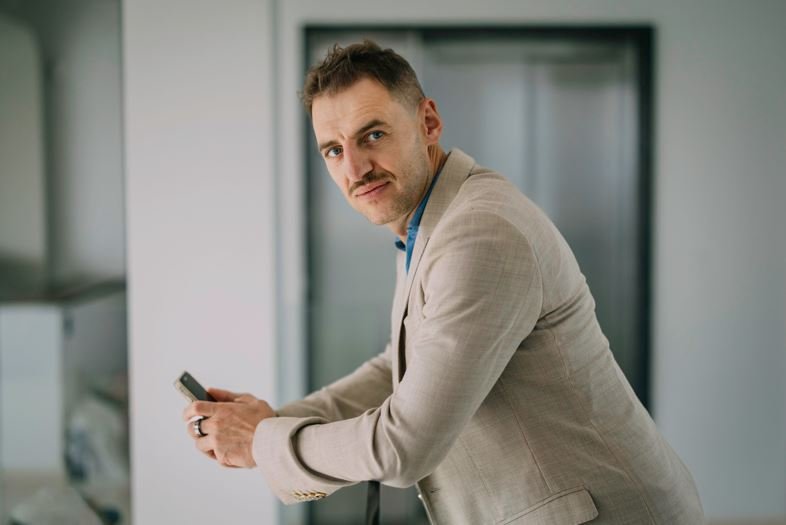
Using the products they invest in can help investors understand not only their practical value but also their business prospects. Serhii Tokarev, an investor, IT entrepreneur and founder of Tokarev Foundation, invested in Oura long before smart rings became popular. He began using the device himself after acquiring a stake in the company, and today almost everyone in his group’s senior leadership team wears one too. The ring provides daily insights into sleep quality and physical recovery.
“This experience did not influence my decision to invest, but unlike conventional reports, it helped me understand why people continue paying for the product and whether it has long-term potential,” says Tokarev.
From BitePal to ElevenLabs: What Investors Can Learn from Using Products
Serhii Tokarev and his colleagues regularly use BitePal, a calorie tracker developed by Reface. Some of the products have also become part of their families’ daily routines. A demonstration can show what a service does, but regular use reveals whether it solves a real problem, helps people make decisions and remains useful after the initial excitement wears off. Growing sales may indicate customer interest, but when technology becomes part of everyday habits, it becomes easier to assess how long that interest might last.
The same approach applies to workplace tools such as ElevenLabs. This AI-powered service creates voiceovers and dubbing for podcasts and videos in more than 70 languages and can also convert large volumes of text into speech.
Using the service in practice helps reveal:
- Where the technology saves time.
- Which processes still require manual intervention.
- How long it takes to achieve the desired result.
How Personal Preferences Can Influence Startup Valuations
The founder of Tokarev Foundation points out that an investor’s financial circumstances and personal habits often differ from those of other users. For example, one person may be willing to spend considerable time setting up a device or service, while another might abandon it after just a few minutes. The opposite situation is also possible: an investor may underestimate a startup simply because they have never experienced the problem it aims to solve.
“It is important to take a critical view of your own attitude towards a product. Whether I am enthusiastic about it or have no interest in it at all, my habits do not necessarily reflect those of other users,” adds Serhii Tokarev.
Experiencing a problem first-hand makes it easier to recognise the value of a potential solution. As an example, Tokarev points to Rollstack, a company Roosh Ventures invested in in 2023. The service automatically transfers up-to-date data into slides and documents, reducing repetitive manual work and saving time.
Sometimes, an internal need can even become the basis for a new business. For example, the recruitment agency Toogeza was initially established to address the group’s own hiring needs. Today, it provides services not only to Serhii Tokarev’s group but also to external clients.
The investor also believes that evaluating a company should not end once an investment has been made. Regularly using a product in which an investor holds a stake makes it possible to assess its ongoing practical value, usefulness in everyday tasks and continued relevance to the market.