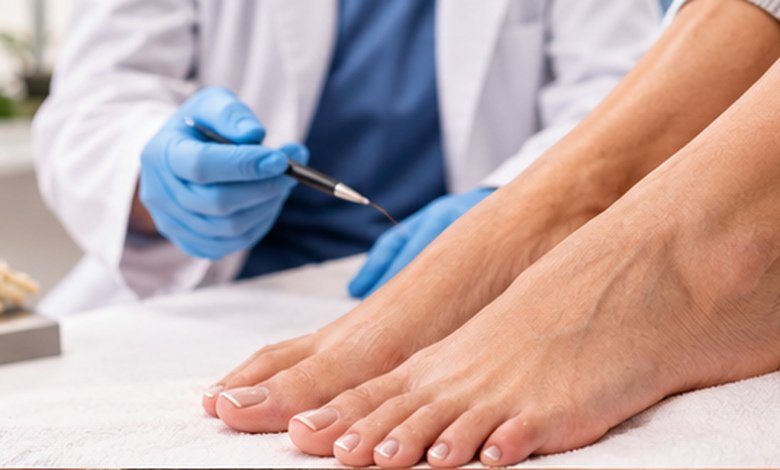
Foot feminization surgery can reshape the foot, but understanding risks, recovery, and realistic results matters before deciding.
Foot feminization surgery is an informal umbrella term for procedures intended to change the appearance or proportions of the feet, such as bunion correction, toe shortening, or selected forefoot reshaping. It is not one standardized operation, and changing bone or joint structure can affect walking, balance, pressure distribution, and footwear comfort.
What You'll Discover:
What is foot feminization surgery?
“Foot feminization surgery” describes a collection of cosmetic and reconstructive foot procedures rather than a single standardized technique. Depending on the person’s anatomy and goals, a surgeon may consider procedures involving the toes, bunions, forefoot width, soft tissue, or existing deformities.
The distinction matters because a request such as “make my feet look narrower” can mean very different things medically. A prominent bunion, unusually long toe, hammertoe, broad forefoot, or soft-tissue contour may each require a completely different assessment.
Some surgeons and clinics market combinations of these procedures under names such as “foot feminization” or “Cinderella surgery.” Those names are marketing terminology, not a universally defined medical procedure.
Foot feminization surgery is a category of procedures, not a single operation.
The most important question is therefore not simply how the foot looks. It is whether a proposed change can be made without creating a new mechanical problem.
What procedures can be involved?
The exact combination depends on the anatomy being treated. A consultation should identify the specific deformity or structural feature rather than treating “feminization” as the diagnosis.
Bunion correction
A bunion, or hallux valgus, occurs when the big toe becomes misaligned and the first metatarsal shifts, creating the familiar prominence on the inside of the foot.
Bunion surgery can involve an osteotomy, in which bone is cut and repositioned, or other procedures such as a Lapidus procedure or joint fusion for selected cases. The appropriate operation depends on alignment, joint condition, severity, and foot mechanics.
There is an important caveat: major medical organizations and hospitals generally do not recommend operating on a pain-free, well-functioning foot solely to make it look different. The American Orthopaedic Foot & Ankle Society specifically warns about elective cosmetic foot procedures because complications can include infection, nerve injury and chronic pain.
Toe shortening or lengthening
A disproportionately long toe can rub against shoes or attract attention because of its shape. Depending on the bone involved, correction can require procedures on the phalanx or metatarsal.
That sounds straightforward, but toe length is part of the foot’s load-bearing system. Altering one segment can change pressure elsewhere, which is why an apparently small cosmetic adjustment can have consequences beyond the toe itself. Research on metatarsal osteotomies has documented problems including stiffness, recurrent pain, transfer metatarsalgia, floating toes, malunion and nonunion.
Hammertoe or crooked-toe correction
If a toe is bent, curled, overlapping or elevated, correcting the deformity may change the overall appearance of the forefoot.
But correction is not purely cosmetic when the toe is structurally altered. Joint stiffness, altered pressure and recurrence are among the issues surgeons need to consider.
Forefoot narrowing
Some cosmetic foot surgery providers describe procedures intended to make the forefoot appear narrower. In practice, however, the width of a foot is determined by bones, joints, soft tissue and alignment.
There is no universally accepted operation that can simply “shrink” a healthy foot without trade-offs. Removing or repositioning structural tissue merely for appearance can interfere with the way forces travel through the foot.
Soft-tissue contouring or fat-pad procedures
Some clinics also offer soft-tissue procedures or fat-pad augmentation as part of aesthetic foot surgery. These approaches are different from bone surgery because they attempt to change the contour or cushioning rather than directly changing bone length or alignment.
That distinction matters when comparing options. A procedure that changes surface contour may carry a very different risk profile from an osteotomy that cuts and fixes bone.
What can foot feminization actually change?
The answer depends heavily on the starting anatomy.
| Goal | Possible approach | Main consideration |
| Reduce a bunion prominence | Bunion correction | Alignment and joint mechanics |
| Shorten a long toe | Phalangeal or metatarsal procedure | Pressure distribution and stiffness |
| Straighten a crooked toe | Deformity correction | Joint motion and recurrence |
| Change soft-tissue contour | Selected soft-tissue procedure | Scarring, durability and cushioning |
| Make a broad foot narrower | Highly individualized assessment | Bone structure may limit safe correction |
| Improve shoe comfort | Treat the underlying deformity | Comfort should not depend on forcing the foot into an unsafe shoe |
A useful mental model is to think of the foot as a bridge rather than a sculpture. Removing or moving one structural component can change how the entire structure carries load.
Who should consider it, and who should be cautious?
The strongest reason for considering foot surgery is usually a specific structural problem with a clearly defined treatment goal, particularly when that problem causes pain, pressure, recurrent skin irritation or difficulty with ordinary footwear.
For example, someone with a painful bunion that prevents comfortable walking has a very different clinical situation from someone with healthy feet who simply wants a smaller-looking silhouette.
Major orthopedic sources caution against cosmetic surgery on pain-free, functioning feet. The Hospital for Special Surgery describes procedures such as elective toe shortening, bunion correction and forefoot contouring as potentially exposing otherwise healthy feet to significant long-term complications.
This does not mean every aesthetic concern is trivial. Appearance can matter to people. The practical issue is whether the expected aesthetic benefit justifies operating on functioning anatomy.
What happens during a consultation?
A good consultation should feel more like an engineering assessment than a beauty consultation.
The surgeon should examine alignment, joint motion, skin and soft tissue, gait and the distribution of pressure through the foot. Depending on the proposed procedure, standing X-rays may be needed to understand the bones under normal weight-bearing conditions.
Expect questions about:
- Pain and where it occurs
- Shoe-fitting problems
- Previous foot injuries or surgery
- Activity level
- Smoking or nicotine use
- Medical conditions affecting circulation or healing
- Previous blood clots
- Your specific aesthetic goals
- Whether the goal is appearance, function, or both
One especially useful question is: “What happens to the biomechanics of my foot if we make this change?”
A surgeon who can explain what will happen to weight distribution, joint motion and gait is giving you much more useful information than someone who focuses exclusively on before-and-after photographs.
What is recovery like?
Recovery varies enormously because “foot feminization surgery” can involve anything from a soft-tissue procedure to bone-cutting surgery.
For bunion surgery, Cleveland Clinic notes that bone healing commonly takes around six to 12 weeks, while swelling can persist for six to nine months. Some patients need crutches, a knee scooter or a protective boot during part of the recovery.
The NHS similarly notes that recovery from bunion surgery can involve weeks away from work, restrictions on driving and several months before returning to sports.
This is one reason “back to normal in a few weeks” can be misleading. You may be able to walk in a protected shoe before the bones have completely healed, and visible swelling can remain long after the initial postoperative period.
Being able to walk after foot surgery does not necessarily mean the foot has finished healing.
Your surgeon should give you a procedure-specific timeline covering weight-bearing, footwear, driving, work, exercise and follow-up imaging.
What are the risks?
The risks depend on the exact operation, but foot surgery can involve infection, nerve irritation or numbness, scarring, stiffness, blood clots, delayed bone healing, nonunion, malunion, recurrence and persistent pain.
Bone-altering procedures also introduce a biomechanical risk that is easy to overlook. Research on metatarsal osteotomies has identified complications such as transfer metatarsalgia, recurrent metatarsalgia, floating toes and joint stiffness.
Smoking deserves particular attention. The Royal National Orthopaedic Hospital warns that smoking substantially increases the risk of nonunion and major complications after forefoot surgery.
A particularly important warning sign is a recommendation to remove healthy bone simply to make a foot fit a particular shoe. The safer principle is to improve the foot’s structure where medically appropriate, not to force a healthy foot into an unusually narrow or restrictive shape.
How should you evaluate a surgeon?
Look for a surgeon whose primary expertise is foot and ankle surgery, rather than choosing solely on the basis of cosmetic marketing.
Ask:
- What exact procedure are you recommending?
- What structural problem does it correct?
- What happens if I do nothing?
- What are the alternatives?
- How will the procedure affect weight-bearing and gait?
- How much bone will be removed or repositioned?
- What complications have you personally encountered?
- How often do you perform this particular procedure?
- What happens if the result is unsatisfactory?
- How long should I realistically expect swelling and activity restrictions to last?
Ask to see results from patients with similar anatomy and the same procedure, rather than generic before-and-after photographs.
Most importantly, get an explanation of the trade-off between appearance and function. If the surgeon cannot clearly explain that trade-off, the consultation has not answered the most important question.
Can non-surgical options help?
Sometimes the feature that bothers someone aesthetically can be improved without surgery, particularly when footwear is the main problem.
Properly fitted shoes with adequate toe-box space, orthotics, toe spacers or other conservative measures can reduce pressure associated with some deformities. For bunions, Cleveland Clinic lists footwear changes, orthotic devices, toe spacers, physical therapy and symptom management among nonsurgical approaches.
These options will not permanently straighten every structural deformity. But trying appropriate conservative treatment can clarify whether the problem is actually severe enough to justify surgery.
What about cost?
There is no reliable single price for foot feminization surgery because the term covers different operations and healthcare systems.
The final cost may include the surgeon, facility, anesthesia, imaging, implants or fixation hardware, postoperative footwear, medications, follow-up appointments and possible physical therapy. International treatment can add travel, accommodation and the complication-management costs of being far from the operating surgeon.
A low advertised price therefore does not necessarily represent the true cost of treatment.
Before comparing quotes, ask each provider for the exact procedures included and what happens if additional surgery becomes necessary.
Frequently asked questions
Is foot feminization surgery a single procedure?
No. It is a broad marketing term for different procedures that may alter the toes, bunions, forefoot or soft tissues. There is no single standardized “feminization” operation.
Can surgery make my feet smaller?
Some procedures can shorten or reposition specific bones, but that does not mean an entire foot can safely be made proportionally smaller. Changing bone length can alter pressure distribution, joint mechanics and gait.
Is foot feminization surgery safe?
Safety depends on the specific procedure, anatomy and patient’s health. Foot surgery can cause complications including infection, nerve problems, stiffness, persistent pain, abnormal bone healing and blood clots.
How long does foot feminization surgery take to heal?
There is no single recovery period. Some soft-tissue procedures may recover faster, while bone surgery can require several weeks for initial healing and months for swelling and function to settle. Bunion surgery, for example, may require six to 12 weeks for bone healing, with swelling lasting substantially longer.
Should healthy feet be operated on for cosmetic reasons?
Major foot and ankle organizations have cautioned against cosmetic surgery on pain-free, functioning feet because the potential complications can be significant. A person considering surgery should discuss both the aesthetic goal and the functional consequences with a qualified foot-and-ankle specialist.
Key Takeaways
- Foot feminization surgery is not one standardized operation; it is an umbrella term for several possible foot and toe procedures.
- Bunion correction, toe shortening, toe straightening and selected soft-tissue procedures may be marketed as part of foot feminization.
- Changing the appearance of a foot can change its mechanics, particularly when bone is shortened, cut or repositioned.
- Recovery may take considerably longer than the initial ability to walk suggests; swelling can persist for months after some procedures.
- Risks include infection, nerve problems, stiffness, chronic pain, abnormal bone healing, recurrence and blood clots.
- Major orthopedic organizations caution against operating on pain-free, well-functioning feet purely for cosmetic reasons.
- The most useful consultation focuses on what specific anatomical problem is being treated, how the change affects biomechanics, and what alternatives exist.
Additional Resources
- Cleveland Clinic guide: Provides a medically reviewed overview of bunion procedures, recovery timelines, complications and postoperative expectations.