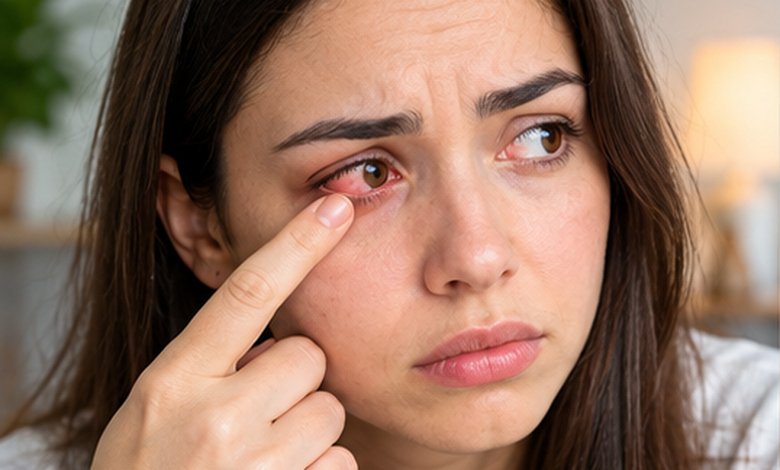
Why do i keep getting styes? Learn the common causes, prevention tips, warning signs, and when to see an eye doctor.
If you keep getting styes, the problem may be more than occasional infection. Recurrent styes are often associated with chronic eyelid inflammation, blocked oil glands, blepharitis, rosacea, or habits that irritate the eyelids.
A stye usually improves on its own, but repeated episodes are a good reason to have an eye-care professional check your eyelids for an underlying problem.
What You'll Discover:
Why Do I Keep Getting Styes?
A stye is a painful, inflamed lump that develops when a gland or eyelash follicle around the eyelid becomes blocked and infected. Bacteria commonly involved include Staphylococcus aureus, which normally lives on the skin and does not automatically mean you have poor hygiene.
The important clue is recurrence. If one stye disappears and another keeps appearing weeks or months later, something may be repeatedly creating the conditions for blockage or inflammation.
Think of it like a sink that keeps backing up. Cleaning up the water each time helps temporarily, but if the drain keeps clogging, the more useful question is why the blockage keeps happening.
Recurrent styes can be associated with chronic eyelid conditions such as blepharitis and meibomian gland dysfunction.
The Most Common Reasons Styes Keep Coming Back
Chronic blepharitis
Blepharitis is long-lasting inflammation around the eyelid margins, often causing redness, itching, crusting or dandruff-like flakes around the eyelashes. It can involve the front edge of the eyelid or the meibomian oil glands farther inside the lid.
This matters because an inflamed, debris-covered lid margin can make it easier for glands and follicles to become obstructed.
Some people notice clues such as crusty eyelashes when they wake up, burning or irritated eyes, frequent watering, or a gritty sensation. Recurrent styes can be another sign.
Blocked meibomian glands
Your eyelids contain tiny meibomian glands that produce an oily substance important for the tear film. When these glands become blocked or their secretions change, they can contribute to eyelid inflammation and related lumps such as chalazia.
This condition is commonly called meibomian gland dysfunction (MGD).
MGD can exist alongside dry-eye symptoms, and someone may have both problems without realizing that the eyelids themselves are contributing to the irritation.
Rosacea or seborrheic dermatitis
Skin conditions can affect the eyelids as well as the rest of the face.
Rosacea and seborrheic dermatitis are associated with eyelid inflammation and meibomian gland problems. Seborrheic dermatitis may also cause oily or flaky skin around the eyebrows, scalp and eyelashes.
If your recurrent styes occur alongside facial flushing, persistent facial redness, dandruff or flaky skin around the eyelashes, mention those symptoms to your clinician.
Touching or rubbing your eyes
Frequent eye rubbing can irritate an already sensitive eyelid margin. Hands can also transfer microorganisms and debris to the area around the eye.
That does not mean every person who gets a stye has a hygiene problem. In fact, recurrent styes can occur despite good hygiene when an underlying eyelid condition is present.
Eye makeup and contact lenses
Eye makeup can become a source of irritation or bacterial contamination, particularly when products are old or used around an active stye. Contact lenses also require careful hand hygiene and appropriate care.
During an active stye, it is sensible to stop wearing eye makeup and contact lenses until the area has healed.
Certain medical conditions
Diabetes is among the conditions associated with an increased tendency to develop styes. Some people with recurrent styes may therefore benefit from discussing their broader health history with a clinician rather than treating each eyelid lump as an isolated event.
That does not mean recurrent styes automatically indicate diabetes. A stye by itself is not a diagnostic test for diabetes.
Is It Really a Stye?
This is an easy detail to miss.
Not every recurring eyelid lump is a stye. A stye, or hordeolum, is typically tender, red and sometimes filled with pus. A chalazion is usually a firmer, less painful lump caused by inflammation associated with a blocked meibomian gland.
The distinction matters because a person who says, “I keep getting styes,” may actually be experiencing repeated chalaziaor a mixture of both.
| Feature | Stye | Chalazion |
| Typical appearance | Red, swollen bump | Firmer eyelid lump |
| Pain | Often tender or painful | Often little or no pain |
| Main problem | Infection/inflammation around a gland or follicle | Blocked oil gland with inflammation |
| Pus | May be present | Usually absent |
| Typical course | Often settles within days to a couple of weeks | Can persist for weeks or longer |
| Recurrence | May recur | Can recur, especially with eyelid-gland problems |
If the same firm lump keeps returning in exactly the same location, it deserves an examination rather than repeated home treatment alone.
What Should You Do When a Stye Appears?
For an uncomplicated stye, the first approach is usually simple supportive care.
Use a warm compress
Place a clean, warmnot scaldingcloth over your closed eyelid for about 5 to 10 minutes, several times a day. The warmth can encourage drainage and relieve discomfort.
The cloth will cool quickly, so re-warm it as needed while keeping the temperature comfortable.
Keep the eyelid clean
Gently clean the eyelid and surrounding area. If you have recurring blepharitis, an eye-care professional can recommend an appropriate eyelid-cleaning routine.
Consistency matters more than aggressively scrubbing the eyelid.
Don’t squeeze it
A stye can look remarkably similar to a tiny pimple, which makes squeezing tempting. Resist that urge.
Trying to pop or puncture it yourself can spread infection or cause additional inflammation.
Pause makeup and contact lenses
Avoid eye makeup and contact lenses while the stye is healing. Wash your hands before touching the eye area or handling contact lenses.
How Can You Prevent Recurrent Styes?
If you are asking “why do I keep getting styes?” Prevention should focus on the pattern between episodes, not simply what to do when the next bump appears.
Build a gentle eyelid-care routine
If an eye professional has identified blepharitis or MGD, regular eyelid care may become part of long-term management. The American Academy of Ophthalmology describes blepharitis as a chronic condition in which ongoing management can be important.
A typical routine may involve:
- Warm compresses.
- Gentle cleansing of the eyelid margins.
- Washing hands before touching the eyes.
- Removing eye makeup before sleeping.
- Following contact-lens hygiene instructions.
- Avoiding eye rubbing.
- Replacing old or contaminated eye makeup.
The precise routine can differ depending on whether you have anterior blepharitis, MGD, rosacea or another condition.
Look for the pattern
Keep track of what happens before each episode.
For example, do styes appear mostly on one eyelid? Do they follow periods of eyelid crusting? Do you also have dry eyes or facial redness? Does the same painless lump remain after the painful swelling disappears?
Those details can help an eye-care professional distinguish recurrent infections from chronic eyelid-gland disease.
When Should You See an Eye Doctor?
Occasional styes are common and often resolve without specialized treatment. Repeated episodes, however, are worth discussing with an optometrist or ophthalmologist, particularly if they continue despite reasonable eyelid care.
Seek prompt medical attention if the swelling is severe, your vision changes, the infection appears to be spreading, or the eye becomes substantially painful or swollen.
An eye specialist can examine the eyelid margin and meibomian glands rather than simply treating the visible bump.
That distinction is important: the recurring stye may be the symptom, while the eyelid condition underneath it is the recurring problem.
Do Recurrent Styes Mean You Need Antibiotics?
Not necessarily.
Most uncomplicated styes do not require specific antibiotic treatment and often improve on their own. Warm compresses and leaving the lesion alone are commonly recommended first steps.
Antibiotics may sometimes be prescribed when a clinician believes they are appropriate, particularly when infection persists or spreads. Persistent lesions may occasionally require drainage by a healthcare professional.
Because antibiotics are not automatically appropriate for every eyelid lump, repeatedly buying or using antibiotic eye products without an examination is not a good strategy.
Common Myths About Styes
“I must have dirty eyes.”
Not necessarily. Styes can occur in people with perfectly reasonable hygiene, particularly when chronic blepharitis or meibomian gland dysfunction is involved.
“Stress definitely causes styes.”
Stress is often blamed for recurrent styes, but the evidence and clinical explanations are more complicated. Established contributors include eyelid inflammation, gland dysfunction and certain skin or systemic conditions; stress alone should not be assumed to be the cause.
“A stye and a chalazion are the same thing.”
They are related but not identical. A stye is generally an acute, tender inflammatory/infectious lesion, whereas a chalazion is associated with a blocked oil gland and is often less painful.
“I should pop it so it heals faster.”
No. Trying to burst a stye yourself can spread infection and cause additional inflammation.
A Simple Recurrent-Stye Decision Guide
If you’re trying to figure out what your next step should be, start with the pattern rather than the number of styes alone.
One occasional, mild stye:
Warm compresses, gentle eyelid care and avoiding makeup or contacts until it heals may be sufficient.
Styes that repeatedly return:
Arrange an eye examination to look for blepharitis, MGD, rosacea or another contributing condition.
A firm lump that remains after the pain disappears:
Ask whether it could be a chalazion rather than an active stye.
Severe swelling, spreading redness, significant pain or vision changes:
Seek medical assessment promptly.
Frequently Asked Questions
Why do I keep getting styes in the same eye?
Repeated styes in one eye can happen when that eyelid has an ongoing problem such as blepharitis or blocked meibomian glands. An eye examination can help determine whether the recurrence is actually due to styes, chalazia or another eyelid condition.
Can poor hygiene cause recurrent styes?
Poor eyelid hygiene can contribute to eyelid debris and bacterial accumulation, but recurrent styes do not automatically mean poor hygiene. Chronic eyelid inflammation and meibomian gland dysfunction are important causes to consider.
How long should a stye last?
Many styes improve within days and commonly resolve within about a week or two, although the exact course varies. A stye that persists, worsens or repeatedly returns should be assessed by a healthcare professional.
Can diabetes cause frequent styes?
Diabetes is associated with an increased risk of styes, but recurrent styes alone do not prove that someone has diabetes. If you have other reasons to suspect diabetes or have frequent unexplained infections, discuss this with your healthcare professional.
Should I see an eye doctor for recurring styes?
Yes, recurring episodes are a reasonable reason to have your eyelids examined, especially when they continue despite appropriate home care. The goal is to identify and manage any underlying eyelid or gland disorder rather than repeatedly treating individual bumps.
Key Takeaways
- Why do I keep getting styes? Often, the answer involves an underlying eyelid problem rather than bad luck or simply poor hygiene.
- Blepharitis and meibomian gland dysfunction are important causes of recurrent eyelid inflammation and blocked glands.
- Rosacea, seborrheic dermatitis and diabetes can also increase susceptibility in some people.
- Not every recurring eyelid lump is a stye; a persistent, relatively painless lump may be a chalazion.
- Warm compresses and gentle eyelid care can help uncomplicated styes, but squeezing or puncturing them yourself can spread infection.
- Repeated episodes are a reason to consider an eye examination, particularly if they occur in the same place or fail to resolve normally.
- Vision changes, spreading infection, severe swelling or significant pain warrant prompt medical attention.
Additional Resources
- Stye diagnosis and treatment: A practical overview of diagnosis, warm-compress care, medication, drainage and when professional assessment is appropriate.