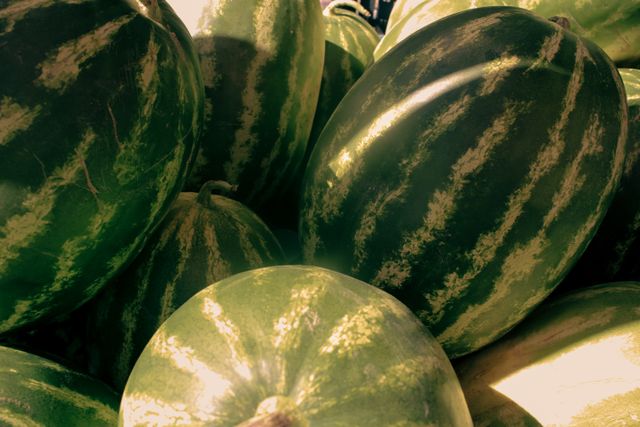
Can dogs have watermelon? Yes, when it’s plain, seedless, and served safely. Here’s the vet-backed guide.
Yes, most dogs can have plain watermelon in moderation, as long as you remove the rind and seeds. The flesh is a hydrating, low-calorie treat, but the rind can cause stomach upset or blockage, and too much fruit can upset sensitive stomachs.
Watermelon looks like the kind of snack you could hand over without thinking twice. That is exactly why this question matters: the fruit itself is usually fine, but the way it is served can turn a harmless treat into a problem.
The real answer is not just “yes” or “no.” It depends on which part of the melon you offer, how much your dog eats, and whether your dog has a health condition that makes sugary foods a poor fit.
What You'll Discover:
Three facts worth remembering
- Watermelon flesh is fine; rind and seeds are the parts to avoid.
- Treats, including watermelon, should stay under 10% of a dog’s daily calories.
- If your dog eats rind and then vomits, bloats, or stops eating, call your vet promptly.
Can dogs have watermelon, or is it only sometimes?
Watermelon can be a very good occasional treat because it is mostly water and naturally low in calories. AKC, VCA, and PetMD all describe it as safe for most dogs when it is plain and properly prepared, which is why it shows up so often on lists of dog-friendly summer foods.
That said, “safe” does not mean “free snack.” Think of watermelon as a bonus, not a meal replacement. Commercial dog food should still do the heavy lifting nutritionally, while fruit stays in the supporting role.
Watermelon parts at a glance
| Part of the watermelon | Can dogs eat it? | Practical takeaway |
| Flesh | Yes, in moderation | Serve plain, cut small, and keep portions modest. |
| Seeds | No | Remove them; they can choke small dogs and contribute to a blockage. |
| Rind | No | Too tough to chew and digest; it can cause obstruction. |
| Sweetened or sugar-free watermelon products | Usually no | Added sugar or xylitol changes the risk profile. |
This breakdown reflects AKC, VCA, PetMD, and ASPCA guidance on watermelon safety and common pet poison risks.
The flesh
The soft red or yellow flesh is the part most dogs can enjoy. It is hydrating, naturally sweet, and contains vitamins and minerals that make it a better choice than many salty or fatty table scraps.
The seeds
Seeds are the part people most often underestimate. A couple of stray seeds are unlikely to cause drama for most dogs, but it is still best to remove them because they can pose choking and digestive risks, and PetMD notes that seeds also contain trace amounts of cyanide.
The rind
The rind is the bigger problem. It is tough, fibrous, and much harder for a dog to chew and digest, which is why AKC, VCA, and PetMD all warn that it can trigger stomach upset or an intestinal blockage.
Watermelon products that are not the same thing
Watermelon-flavoured sweets, frozen desserts, syrups, and fruit cups are not the same as plain watermelon. If a product contains added sugar or artificial sweeteners, it stops being a simple dog treat and becomes a label-reading problem. ASPCA specifically warns pet owners to watch for xylitol, which can be dangerous to dogs.
How much watermelon can dogs have?
There is no universal serving size that fits every dog. The most reliable rule from major pet-health sources is that treats, including watermelon, should make up no more than 10% of daily calories, with the rest coming from a complete and balanced dog food.
A practical way to think about it is this: a few small cubes is a treat, a bowlful is a snack overload. Start small the first time, especially if your dog has never had fruit before, and see how their stomach handles it over the next day. PetMD recommends beginning with a small amount and watching for digestive upset.
If your dog is the type to inhale food, make the pieces even smaller. The goal is not to create a new obsession; it is to give your dog something cool and pleasant without crowding out their regular diet.
When watermelon is the wrong treat
Watermelon is not a great idea for every dog. PetMD notes that dogs with diabetes, obesity, sugar sensitivities, or certain medical conditions may not be good candidates for watermelon treats, and those dogs should have diet questions cleared by a veterinarian first.
This is the part many owners miss: even a healthy fruit can be the wrong treat for a specific dog. A dog that needs strict calorie control, or one that is already on a prescription diet, may do better with a lower-risk reward that fits the plan more neatly.
Watch especially for digestive warning signs after a dog eats rind or a large amount of fruit. Vomiting, loss of appetite, abdominal pain, lethargy, diarrhoea, bloating, or trouble passing stool can point to a blockage or significant stomach upset and deserve veterinary attention.
How to serve watermelon safely
The safest version is also the simplest version. Wash the outside, remove all rind, remove all visible seeds, and cut the flesh into small bite-sized pieces before offering any to your dog.
Here is a practical checklist:
- Pick plain watermelon with no added sugar, syrup, salt, or sweeteners.
- Slice off the rind completely.
- Remove every seed you can find.
- Cut the flesh into small pieces.
- Offer a few pieces, not a pile.
- Watch your dog the first time they try it.
If you want a hot-weather enrichment idea, watermelon can also work as a cold treat in tiny amounts, especially for dogs that enjoy softer, low-calorie rewards. VCA notes that some dogs respond well to watermelon as a training or treat option, which makes sense because it is moist, palatable, and easy to portion.
The best approach is to keep it boring in the safest possible way. Plain fruit is the point; novelty ingredients are where trouble starts.
Why watermelon is such a useful dog treat
Watermelon earns its popularity because it solves a very specific problem: dogs like something tasty, and owners want something that is not calorie-dense or greasy. VCA and AKC both point out that it can be a refreshing, low-calorie summer snack when it is prepared correctly.
That makes it especially appealing for training moments, after a walk, or on a hot day when a dog wants something cool. It is not essential food, but it can be a thoughtful treat when the rest of the diet is already solid.
What to do if your dog already ate rind or too much watermelon
Do not panic, but do pay attention. If your dog ate rind and then starts vomiting, acting painful, refusing food, or having trouble with stool, contact your veterinarian because an obstruction can become serious quickly.
If the problem is not rind but a processed watermelon product, check the label right away. ASPCA warns that xylitol and other poisonous ingredients can require immediate action, and their Poison Control line is available 24/7 at (888) 426-4435.
FAQ
Can dogs eat watermelon seeds?
It is better not to feed them intentionally. Seeds can be a choking risk, may contribute to an intestinal blockage, and PetMD notes that they contain trace amounts of cyanide, so removing them is the safest choice.
Can dogs eat watermelon rind?
No. The rind is hard to chew and digest, and it can cause choking, stomach upset, or a blockage in the digestive tract.
Can puppies have watermelon?
Puppies should follow the same basic rule as adult dogs: plain flesh only, no rind, no seeds, and only a small amount at first. Because puppies can be more sensitive and are still growing, it is smart to keep portions tiny and ask a vet if your puppy has a delicate stomach or a special diet.
Is watermelon okay for dogs with diabetes?
Not always. PetMD says dogs with diabetes, obesity, or sugar sensitivities may not be good candidates for watermelon treats, so those dogs should only have fruit if a veterinarian says it fits their diet.
How often can dogs have watermelon?
Occasionally is the right word. Treats should stay within the 10% calorie guideline, so watermelon should be an add-on rather than a daily staple.
Key takeaways
- Can dogs have watermelon? Yes, most dogs can have plain watermelon in moderation.
- The safest part is the flesh; the rind and seeds are the parts to remove.
- Treats, including watermelon, should stay under 10% of daily calories.
- Dogs with diabetes, obesity, or sugar sensitivities may need to skip it.
- Too much watermelon can cause gas, bloating, diarrhoea, or stomach discomfort.
- If your dog eats rind and then vomits, seems painful, or stops eating, call your vet promptly.
- Plain, bite-sized pieces are far better than flavoured, sweetened, or packaged watermelon products.