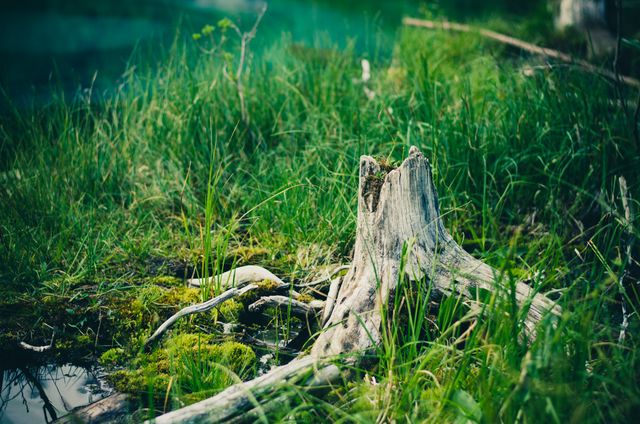
Removing tree stumps made simple: choose the safest method and reclaim your yard fast.
The fastest and least disruptive option is usually stump grinding; the most complete option is full excavation, which removes the stump and more of the root system; and the cheapest option is natural decay, which can take years. Before any digging or grinding that disturbs soil, call 811 so buried utilities can be marked first.
A leftover stump looks harmless until you try to mow around it, plant something new, or level the yard for a patio. Then it becomes obvious that a stump is not just a dead piece of wood; it is an obstacle, a root problem, and sometimes a regrowth problem all at once.
The tricky part is that “getting rid of it” can mean very different things. Some methods remove the visible stump fast, some remove the root ball too, and some simply stop the stump from resprouting while nature does the slow work. Knowing that difference saves time, money, and a lot of frustration.
What You'll Discover:
What removing tree stumps really means
The first decision is whether you want the stump gone, the roots gone, or just the problem stopped. Stump grinding removes the stump below grade and usually takes out some large lateral roots, but the underground root system remains and decays over time. Full excavation is more invasive, but it is the option that comes closest to a clean slate.
That distinction matters because the ground you leave behind determines what you can do next. If you want turf, shallow grinding is often enough; if you want to replant or redesign the space, deeper work or full removal may be the better fit. The Royal Horticultural Society notes that shallow grinding is usually enough for turf, while deeper grinding is needed for replanting or landscaping.
The main methods, compared
| Method | Best for | Main upside | Main drawback |
| Hand digging | Small stumps in workable soil | Cheap, direct, no machine rental | Slow and physically demanding |
| Stump grinding | Fast cleanup and lawn restoration | Quick, efficient, and usually the safest professional option | Leaves roots behind and creates wood chips and shavings |
| Full excavation | Construction, major regrading, or replanting | Removes stump and most of the root mass | Most disruptive and leaves a large hole |
| Cut-stump herbicide | Stumps that keep sprouting | Can stop regrowth when used correctly | Not physical removal; timing and label use matter |
| Natural decay | Low-budget, no-rush situations | Easiest and cheapest | Can take 10+ years |
| Burning | Very limited cases where legal and safe | Can destroy woody material | Often restricted, messy, and hard on soil |
When stump grinding is the smartest choice
For most homeowners, stump grinding is the sweet spot between speed and simplicity. Iowa State Extension describes it as the quickest, easiest, and safest option, and the process is usually done within hours rather than days.
It is especially useful when the stump sits in the middle of a lawn, beside a bed, or in a place where large equipment would tear up more of the yard than you want. A grinder can usually take the stump down about 8 to 12 inches below grade, which is enough for many lawn repairs and shallow landscaping projects. The RHS gives a similar guideline, noting that shallow grinding is normally sufficient for turf, while deeper grinding is better if you plan to replant.
Here is the practical tradeoff: grinding clears the visible problem fast, but the underground roots stay put. Those roots decay slowly, and the leftover chips can change soil structure enough that new turf or plants may struggle unless the shavings are removed and the area is refilled with topsoil.
When full stump removal is worth the mess
Full excavation makes sense when you need the space completely reset. If you are building a hardscape, preparing a planting area, or dealing with a stump in a spot where regrowth would be a real annoyance, digging out the stump and major roots can be the better long-term answer.
The downside is obvious once the stump comes out: you are left with a larger hole and more disturbed soil. That is the price of a cleaner finish, and it is why excavation is usually best when future use of the site matters more than preserving the lawn around it.
A useful rule of thumb is this: grinding is for clearing the eyesore, while excavation is for clearing the space. That simple distinction helps explain why two people with the same stump might choose completely different methods.
What to know about chemicals and regrowth
A stump is not always “dead” just because the tree was cut down. Some species resprout from the stump or send up suckers from the root system, which is why cutting alone may not solve the problem. Kansas State Extension notes that homeowners commonly use triclopyr or glyphosate for cut-stump treatment, and the product must be applied immediately after cutting for best effect.
Washington State University Extension gives the same basic idea: paint a brush-killer type herbicide onto the freshly cut stump so it is absorbed into the cambium and carried to the roots. If the stump has been sitting for a while, it may need to be cut back to live wood first.
This is where a lot of confusion starts. Chemical treatment is a way to kill a stump or stop suckering; it is not the same thing as removing the stump. If the goal is to preserve the ground surface for a new project, you still need to decide whether the wood should be ground out, excavated, or left to decay.
Why burning sounds easier than it is
Burning a stump is tempting because it feels decisive, but it is usually the least forgiving method. Illinois Extension says stumps can be burned out in some places, but you must check local ordinances first, avoid pouring fuel on the stump, and remember that the soil around it can become inhospitable to future planting if the heat is too intense.
There is also the moisture problem. Because a stump sits in soil, it can be difficult to dry enough to burn well, and a hot fire may smolder for a long time rather than disappear quickly. Colorado State Extension also advises checking local ordinances before choosing burning as a method.
In practice, burning is usually a niche option, not the default one. For most yards, grinding or digging gives a cleaner, safer result with far fewer legal and environmental complications.
What to do before you dig
Any method that involves digging should start with utility awareness, not with a shovel. The national 811 service says anyone planning to dig should call 811 or their state center a few business days in advance so buried utilities can be marked with paint or flags. Hitting a buried line can disrupt service, cause expensive damage, or lead to serious injury.
That warning matters even for small landscaping projects. 811 notes that utility lines can be shallow, and it recommends contacting the service every time you start a new digging job, even if the area was marked before.
A stump is often surrounded by more than roots. Irrigation lines, lighting cables, and utility laterals can all be close enough to turn a simple removal into an expensive mistake.
Common mistakes people make
The most common mistake is choosing the method before choosing the goal. If you need a planting bed, stump grinding may be enough; if you need a clean foundation for hardscape, excavation may be the right call. Starting with the wrong goal usually creates extra work later.
Another mistake is leaving grindings in place and expecting new grass to thrive immediately. Illinois Extension warns that the wood material can tie up nitrogen as it breaks down, and Iowa State Extension notes that shavings can change the soil’s structure and nutrient balance enough to make new plants struggle.
A third mistake is treating stump work like a fire problem instead of a soil problem. Burning may seem simple, but it is constrained by ordinances, moisture, and soil damage, which is why extension guidance consistently treats it as a limited-use method rather than a first choice.
And finally, do not confuse stump removal with sucker control. Cutting suckers at the base is one task; removing the stump is another. If suckers are the problem, Iowa State Extension recommends cutting them off at their origin, because leaving a stub can cause even more shoots to emerge.
A practical decision guide
If the stump is small, the soil is loose, and you do not mind effort, hand digging can work. If speed matters most and you want the yard usable again quickly, grinding is usually the most balanced option. If the area will be rebuilt from the ground up, full excavation gives the cleanest base.
If the stump is still sprouting, consider whether you are trying to remove it or simply stop it from regrowing. Cut-stump herbicide can help on a fresh cut stump, but it is not a substitute for physical removal when the space itself needs to be cleared.
If you are unsure, ask a local arborist or tree service what the site needs next. The right answer depends on size, access, nearby structures, utilities, and how you plan to use the space after the stump is gone.
FAQs
How long does it take to remove a stump?
Stump grinding is usually completed in a matter of hours, while natural decay can take many years. The right timeline depends on the size of the stump and the method you choose.
Is stump grinding the same as stump removal?
No. Grinding shreds the stump below grade and leaves the roots in the soil, while full removal digs out the stump and much more of the root mass.
Can I remove a stump without heavy equipment?
Yes, but only smaller stumps are realistic by hand. Hand digging works best when the stump is small and the roots are manageable; larger stumps are usually better handled with grinding or excavation equipment.
Is burning a stump a good idea?
Usually not. Extension guidance says burning is limited by local rules, moisture in the stump, and the risk of harming soil that you may want to plant in later.
Do I need to call 811 before stump work?
Yes, if the job involves digging or ground disturbance. 811 is the national call-before-you-dig service, and it is designed to keep buried utilities from being struck during excavation.
Key takeaways
- Removing tree stumps is really a choice between clearing the visible stump, removing the root mass, or stopping regrowth.
- Stump grinding is usually the fastest and least disruptive option for most yards.
- Full excavation is the most thorough choice, but it creates the biggest hole and the most yard disturbance.
- Natural decay is cheap and safe, but it can take years.
- Burning is a limited-use method because rules, moisture, and soil damage often make it impractical.
- Fresh grindings can interfere with new planting, so remove them before adding topsoil when you want the area replanted.
- If digging is involved, call 811 first.
Additional resources
- Removing Trees and Stumps Safely: Clear, practical guidance on digging, grinding, excavation, and when each method makes sense.