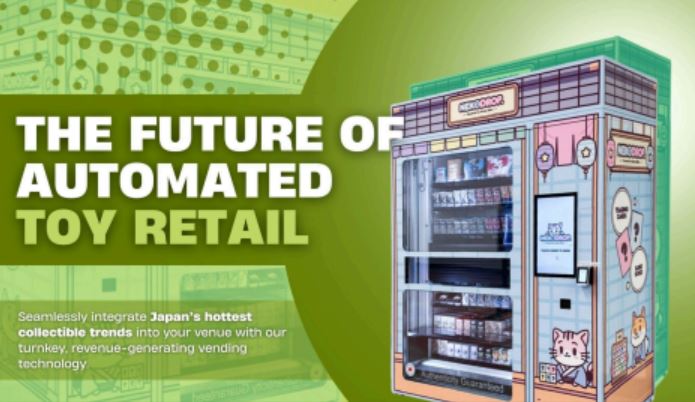
Discover how NekoDrop owners profit from hype-driven collectibles, resale culture, and limited-edition drops in 2026 online.
The intersection of retail and the secondary market has undergone a radical transformation in 2026. What was once a casual hobby of collecting toys has evolved into a high-stakes economy driven by “hypebeast” culture and digital resale platforms. At the heart of this shift is a new
breed of automated retail that prioritizes exclusivity and the thrill of the hunt over simple convenience. Entrepreneurs are increasingly finding that investing in NekoDrop vending machines is a highly effective way to tap into this lucrative ecosystem, as these units serve as the primary source for limited-edition collectibles that dominate the online trade. By positioning these machines in high-traffic urban centers, owners are essentially setting up a physical gateway to a digital gold mine.
For resellers, collectors, and those who follow the “drop” culture, the machine is no longer just a vendor; it is a destination. The mechanics of the “chase” have turned a simple transaction into a strategic opportunity for profit.
What You'll Discover:
The Rise of “Chase” Culture
The concept of the “Chase” is the engine that drives the collectible market. In the world of designer plushies and blind boxes, every series contains a set of common figures and at least one “Secret” or “Rare” pull. These secret items are produced in significantly lower quantities, sometimes with a ratio as low as 1 in 144 boxes.
This scarcity creates an immediate price discrepancy. While a customer might pay $15 to $20 for a pull from the machine, a rare “Chase” figure can immediately be listed on sites like eBay,
StockX, or specialized Discord marketplaces for 5x to 10x its original retail value. For a dedicated “treasure hunter,” the cost of the transaction is seen as an investment rather than an expense. They are willing to stand in front of a machine and swipe their card repeatedly until they secure the elusive item that will net them a massive return on the secondary market.
Turning Vending into a Destination
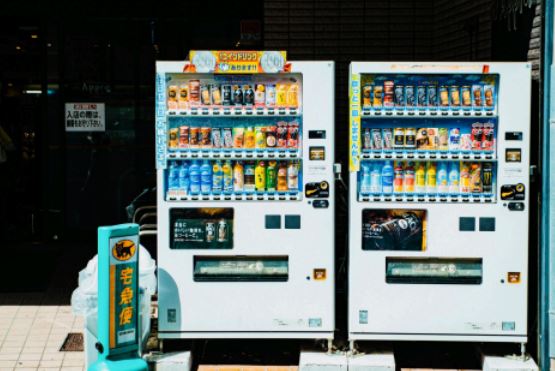
Traditional vending machines rely on passive foot traffic, hoping someone walks by who happens to be hungry or thirsty. Collectible vending flips this model. Because of the high-value resale potential, owners find that their machines become destinations.
When a new series of NekoDrop figures is “dropped,” the news travels quickly through social media and collector groups. Resellers will travel across the city to a specific mall or transit hub because they know that machine is stocked with a fresh batch of potential profit. This dedicated fan base ensures high turnover rates for the owner. You aren’t just selling to the people who happen to be in the mall; you are selling to a global community of collectors who view your machine as a primary supplier for their resale businesses.
The StockX and eBay Effect
Platforms like StockX have revolutionized how we perceive the value of physical goods. By treating collectibles like stocks, with live price tracking and historical data, these platforms have validated the “asset class” status of designer toys.
When an owner stocks a machine with a popular licensed series, they are participating in a live market. They can monitor the “last sale” prices on their phone and see exactly which characters are trending. This data allows the owner to be more strategic with their inventory. If a specific “Secret” pull is trending on eBay, the owner can highlight that series in their machine’s display, further incentivizing treasure hunters to spend more in a single session. This synergy between the physical machine and the digital resale platform creates a self-sustaining cycle of demand.
Zero Spoilage and High Liquidity
One of the most attractive features of the collectible resale market for a machine owner is the durability of the inventory. Unlike food and drink, which have expiration dates and thin margins, collectibles are non-perishable assets with high liquidity.
A “Chase” figure does not lose its value if it sits in the machine for an extra week. In fact, as a series becomes “retired” and harder to find, the value of the remaining stock often increases. This creates a low-risk environment for the entrepreneur. Your inventory is effectively a warehouse of small, high-value goods that are in constant demand. If a specific series doesn’t sell out instantly, you simply hold it until the secondary market price reaches your desired threshold.
The Psychology of the “Hypebeast”
The “Hypebeast” demographic is defined by a desire for exclusivity and “clout.” Carrying a rare figure or displaying a complete set on social media is a form of social currency. Owners capitalize on this by ensuring their machines look the part.
Aesthetic branding and high-tech interfaces are essential for attracting this audience. They want an experience that feels as premium as the items they are trying to flip. When a machine is stocked with a “hot” series, it becomes a content hub. Collectors will film their “unboxing” or “unveiling” right there at the machine for TikTok or Instagram, providing free marketing for the location and driving even more treasure hunters to the spot.
Strategic Inventory Management
Successful owners in 2026 are not just vendors; they are curators. They study the resale markets to understand which artists or franchises are gaining traction. By staying ahead of the trends, they can secure inventory that they know will trigger the “Binge-Purchase” behavior in resellers.
For example, if a specific Anime series is announced for a second season, the value of related collectibles often spikes. An owner who restocks their machine with that series just as the hype begins will see a much higher velocity of sales. This level of market analysis is what separates a standard vending route from a high-performance resale supply chain.
Lower Maintenance, Higher Engagement
Because the goal of the customer is to find a high-value item for resale, they are more engaged with the machine than a typical consumer. They are less likely to be frustrated by a higher price point because they understand the potential ROI.
From the owner’s perspective, this means fewer transactions are needed to reach the daily revenue goal. Instead of selling 100 bags of chips for a small profit, you might sell 10 collectibles to a single reseller who is determined to find a “Secret” pull. This reduces the wear and tear on the machine and simplifies the restocking process. You are moving a smaller volume of goods for a much higher profit margin.
The Future of Automated Resale
As we look further into 2026, the line between retail and resale will continue to blur. We are likely to see machines that integrate even more closely with digital platforms, perhaps even offering live market pricing on the screen or “exclusive” digital twin NFTs with every physical purchase.
The entrepreneurs who are winning today are the ones who recognize that “vending” is no longer about snacks; it is about the distribution of high-value assets. By catering to the resale market and the culture of the “Chase,” owners are building a resilient, high-margin business that thrives on the passion of collectors and the ambition of resellers.
Final Thoughts
The “treasure hunter” isn’t looking for a snack; they are looking for a win. By providing a reliable source for high-value collectibles, machine owners are positioning themselves at the center of a massive global economy.
Capitalizing on the explosive resale market requires an understanding of scarcity, hype, and digital platforms. When you provide the tools for someone else to make a profit on eBay or StockX, you ensure a loyal, high-spending customer base for your own business. It is a sophisticated way to approach automated retail, and in 2026, it is proving to be one of the most profitable models in the industry. Forget the old rules of vending; the new game is all about the “Chase,” and the rewards for those who play it well are immense.