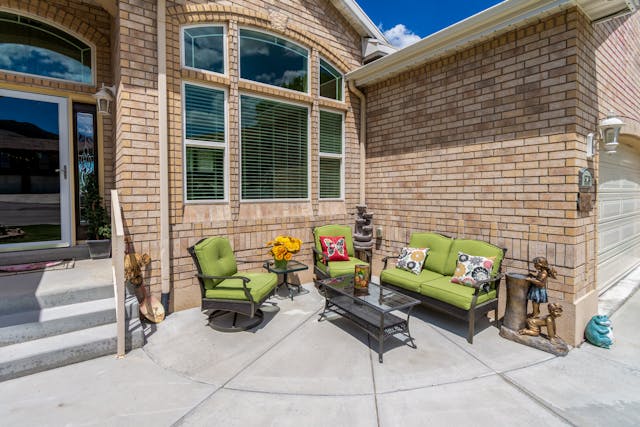
Learn how to transform your underused lawn into a functional outdoor oasis with practical tips on zoning, design, and low-maintenance landscaping.
A sprawling green lawn has long been the standard for residential backyards. Many homeowners spend hours mowing, watering, and fertilizing grass that rarely gets used for anything other than visual appeal. Instead of maintaining an empty patch of grass, you can turn your backyard into a functional extension of your home.
What You'll Discover:
Assess Your Space and Its Potential
Before buying furniture or planting shrubs, you need to understand the environment you are working with. Every yard has unique characteristics that dictate what types of designs will work best.
Start by observing the sun patterns in your yard throughout the day. Track where the sun hits in the early morning, during peak afternoon heat, and in the late evening. This information is crucial. You might want to place a morning coffee seating area in an east-facing spot, while a dining patio should ideally be shaded during the hottest part of the afternoon.
Next, look at the topography of your land. Flat areas are perfect for patios and seating arrangements. Sloped areas might require retaining walls or terraced gardens. Take note of existing trees, fences, and utility lines, as these elements will heavily influence your layout.
Define Your Vision
With a clear understanding of your yard, you can start dreaming about how you want to use the space. Think about your daily habits and how an outdoor area could improve your routine.
Outdoor Kitchens
Cooking outside keeps the heat out of your house during the summer and creates a natural gathering spot for guests. A basic setup might include a built-in grill and some counter space. A more elaborate design could feature a pizza oven, a mini-fridge, and a full outdoor sink.
Fire Pit Lounges
A fire pit extends the usability of your yard well into the colder months. Grouping comfortable seating around a central fire feature creates a cozy atmosphere for roasting marshmallows or enjoying evening conversations.
Sustainable Gardens
If you prefer a quiet retreat, consider replacing thirsty grass with a sustainable garden. Native plants, pollinator-friendly flowers, and a small water feature can create a peaceful environment that supports local wildlife and requires very little water.
Key Design Principles
Selecting the right materials and fixtures ensures your new outdoor space will last for years with minimal wear and tear.
Durable furniture is a must. Look for materials like powder-coated aluminum, teak wood, or high-density polyethylene. These materials resist rust, fading, and moisture damage. Cushions should feature weather-resistant fabrics that repel water and resist mold.
Lighting dictates the mood of your yard after the sun goes down. A mix of lighting types works best. Use pathway lights for safety, string lights for a soft overhead glow, and spotlights to highlight trees or architectural features.
Always prioritize weather-resistant materials for your permanent fixtures. Natural stone, poured concrete, and composite decking hold up well against rain, snow, and intense sunlight.
Zoning Your Yard
An effective backyard design assigns specific functions to different areas, much like the rooms inside your house. Creating distinct zones helps the space feel organized and purposeful.
You can define these zones using visual cues. An outdoor rug can anchor a seating area, while a pergola can frame an outdoor dining table. Planters and low hedges work well as natural dividers between different sections.
Make sure to accommodate everyone in the family when zoning your yard. You might dedicate the patio to dining, a shaded corner to reading, and a soft, grassy section for recreation. For families looking to build ultimate recreation zones, installing features like custom playgrounds in Idaho has become a popular way to keep kids active and entertained safely within their own property.
Landscaping for Your Lifestyle
The right landscaping choices drastically reduce the time you spend doing yard work. The goal is to maximize your enjoyment while minimizing your maintenance tasks.
Opt for low-maintenance plants that thrive in your specific climate. Native plants generally require less water and are more resistant to local pests. Grouping plants with similar watering needs together makes irrigation much more efficient.
Hardscaping is another excellent way to reduce your upkeep. Patios, walkways, and gravel beds replace grass, meaning you spend less time mowing and edging. You can use large stepping stones surrounded by creeping groundcovers to create a beautiful, low-maintenance pathway through your garden.
Implementation: DIY or Hire a Professional?
Deciding how to build your new outdoor space depends on your budget, your timeline, and your skill level.
Many landscaping tasks are highly suited for DIY enthusiasts. Planting shrubs, laying mulch, assembling furniture, and installing solar pathway lights are manageable weekend projects. Taking on these tasks yourself can save a significant amount of money.
However, certain projects require professional expertise. Any work involving electrical wiring, plumbing, or gas lines must be handled by licensed contractors for safety and legal reasons. Similarly, large hardscaping projects like pouring concrete patios, building retaining walls, or constructing heavy pergolas often require heavy machinery and specialized knowledge. Hiring a professional for these structural elements ensures the job is done safely and correctly.
Conclusion
Taking a backyard from an empty patch of grass to a fully functional outdoor living area takes time and effort, but the results are highly rewarding. By carefully assessing your yard, defining clear zones, and choosing durable materials, you can create a space tailored entirely to your lifestyle.