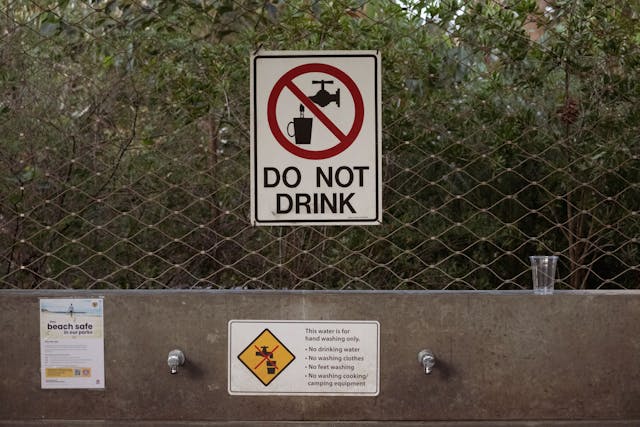
Boil water advisory issued for Jordan and Elbridge after a disinfection issue. Learn what happened, risks, and what residents should do.
A boil water advisory issued for Jordan and Elbridge warned residents to boil tap water before drinking or cooking after a disinfection problem in the municipal water system. Officials advised boiling water for at least one minute to eliminate possible bacteria until tests confirmed the supply was safe.
There’s something strangely unsettling about hearing the words boil water advisory.
Water is supposed to be the one thing you don’t have to think about. You turn on the faucet. You fill a glass. You drink it without hesitation. It’s a quiet ritual that happens dozens of times a day.
But then a notice appears: boil water advisory issued for Jordan and Elbridge.
Suddenly the ordinary becomes uncertain.
You pause before pouring water into the kettle. You check your phone for updates. You might even text a neighbor just to confirm that you read the alert correctly. And in that small moment of hesitation, you realize how much trust we place in the invisible systems that deliver water to our homes.
When the advisory was issued across the villages of Jordan and Elbridge and parts of the surrounding town, local officials asked residents to boil tap water before drinking, cooking, brushing teeth, or preparing food.
At first glance, that instruction feels inconvenient.
But it also reveals something important: the systems responsible for protecting public health are designed to warn communities early, sometimes before a confirmed problem appears.
That early warning is the whole point.
What You'll Discover:
Why a Boil Water Advisory Was Issued for Jordan and Elbridge
The boil water advisory issued for Jordan and Elbridge was triggered by a technical problem in the water treatment system.
Specifically, officials detected inadequate disinfection levels, which meant the system responsible for killing harmful microorganisms might not have been functioning correctly.
It wasn’t that residents suddenly saw dirty water pouring from taps. In fact, the water likely looked completely normal.
That’s the tricky part about water safety.
Contamination is often invisible.
The Role of Chlorination in Drinking Water
Most municipal water systems rely on chlorine to disinfect water. Chlorine is added during treatment to destroy bacteria, viruses, and parasites that could otherwise cause illness.
Think of chlorine as a silent guardian moving through the pipes.
You don’t see it.
You rarely smell it.
But it’s constantly working.
When a chlorination system malfunction occurs, officials cannot guarantee that microbes are being eliminated properly. That uncertainty is enough to trigger a precautionary advisory.
One short statement explains the logic clearly:
“Public health officials assume contamination is possible when disinfection systems fail.”
In other words, the advisory is issued not because contamination is confirmed, but because the system can no longer guarantee protection.
What Exactly Is a Boil Water Advisory?
A boil water advisory is a public health notice telling residents that tap water should be boiled before consumption due to potential microbial contamination.
Boiling water is one of the simplest and most effective methods of disinfection.
When water reaches a rolling boil for at least one minute, most harmful microorganisms are destroyed.
That includes many types of:
- Bacteria
- Viruses
- Parasites
In practical terms, boiling temporarily turns your kitchen into a miniature water treatment plant.
Heat replaces the disinfection process until the municipal system is fully restored.
Areas Affected by the Advisory
The advisory applied to residents served by the municipal water supply in:
- Village of Jordan
- Village of Elbridge
- Parts of the Town of Elbridge
However, one important group was not affected.
Residents who rely on private wells were not included in the advisory because their water supply operates independently from the municipal system.
This distinction highlights something many people overlook: not every household in a community receives water from the same source.
Water infrastructure often functions as a patchwork of systems, municipal lines, private wells, and regional networks operating side by side.
Health Risks Behind a Boil Water Advisory
When the boil water advisory issued for Jordan and Elbridge was announced, it was done out of caution for potential microbial contamination.
Microorganisms that sometimes appear in untreated water can cause gastrointestinal illness.
Possible symptoms include:
- Diarrhea
- Nausea
- Stomach cramps
- Headaches
- Fatigue
For healthy adults, these illnesses are often temporary. But for certain populations, the risks can be more serious.
Groups Considered More Vulnerable
Public health officials pay particular attention to people who may be more sensitive to waterborne illness, including:
- Infants and young children
- Elderly individuals
- Pregnant women
- People with weakened immune systems
For these groups, even small amounts of contaminated water can pose a greater health risk.
That’s why boil water advisories are issued quickly and lifted only after multiple tests confirm safety.
Everyday Life During a Boil Water Advisory
At first, boiling water might sound like a minor inconvenience.
But when you start thinking through your daily routine, the list of tasks involving water grows surprisingly long.
Suddenly, every small habit requires a moment of planning.
Activities That Require Boiled or Bottled Water
During the advisory, residents were instructed to use boiled or bottled water for:
- Drinking
- Brushing teeth
- Cooking food
- Washing fruits and vegetables
- Making ice
- Preparing baby formula
- Washing dishes by hand
Even simple routines like brewing coffee or rinsing lettuce require extra steps.
It’s a subtle reminder of something we rarely acknowledge: water quietly supports almost everything we do at home.
Why Boil Water Advisories Take Time to Lift
One of the most common questions residents ask during a water advisory is simple:
Why can’t officials lift it immediately after fixing the problem?
The answer lies in how water safety testing works.
Even after a treatment issue is corrected, officials must verify that the water system is fully safe again.
The Testing Process
The process usually follows several steps:
- Repair the malfunctioning equipment
- Restore proper disinfectant levels in the water system
- Collect water samples from multiple locations
- Test the samples for bacterial contamination
- Repeat testing to confirm results
Because laboratory testing takes time, advisories often remain in place for two to three days.
It’s not bureaucracy slowing things down.
It’s science making sure the water is truly safe.
When the Advisory Was Lifted
After repairs were completed and testing confirmed that bacteria were not present in the water system, officials lifted the advisory.
That announcement signaled that disinfectant levels had returned to normal and the water supply met safety standards again.
For residents, it meant life could return to normal routines.
Turn on the faucet.
Fill a glass.
Drink without thinking twice.
Sometimes normalcy feels like the biggest luxury.
Comparing Different Types of Water Safety Alerts
Water advisories come in several forms depending on the level of risk.
Here’s a simple comparison.
| Alert Type | Meaning | Typical Cause |
| Boil Water Advisory | Possible contamination risk | Low pressure or treatment malfunction |
| Boil Water Order | Higher concern and stricter warning | Confirmed contamination |
| Water Quality Notice | Informational notice | Taste, odor, or appearance issues |
| Do Not Drink Order | Serious health threat | Chemical contamination |
The boil water advisory issued for Jordan and Elbridge was precautionary. Officials did not confirm contamination but acted quickly because disinfection could not be guaranteed.
The Hidden Infrastructure Behind Drinking Water
Moments like this often remind people how complex modern water systems really are.
Behind every faucet lies an enormous network of infrastructure.
A typical municipal water system includes:
- Treatment plants
- Chemical disinfection systems
- Pumping stations
- Underground pipes
- Pressure monitoring sensors
- Public health oversight
Thousands of components must work together perfectly.
If even one part fails, like a chlorination pump, the ripple effect can reach an entire community.
Most of the time, this system runs quietly in the background, unnoticed.
Until one alert reminds everyone just how important it is.
What Communities Learn from Water Advisories
Events like the boil water advisory issued for Jordan and Elbridge often lead to deeper conversations about infrastructure and preparedness.
Local officials may review questions such as:
- Are treatment systems aging?
- Are backup disinfection systems available?
- How quickly can alerts reach residents?
- Are upgrades needed to prevent future disruptions?
Sometimes small incidents become catalysts for improvements.
Communities upgrade equipment. Monitoring systems become more advanced. Emergency communication systems become faster.
In that sense, temporary disruptions can strengthen long-term reliability.
FAQ: Boil Water Advisory Issued for Jordan and Elbridge
Why was the boil water advisory issued for Jordan and Elbridge?
The advisory was issued because of a malfunction in the water system’s chlorination equipment, which meant disinfection levels could not be guaranteed.
How should water be treated during the advisory?
Residents should bring water to a rolling boil for at least one minute before drinking, cooking, or brushing teeth.
Are private wells affected?
No. Households using private wells were not affected because they use a separate water source.
How long do boil water advisories usually last?
Most advisories last 24 to 72 hours, depending on how quickly the issue is repaired and water testing confirms safety.
What symptoms could contaminated water cause?
Possible symptoms include diarrhea, nausea, stomach cramps, and headaches, particularly in vulnerable individuals.
Key Takings
- The boil water advisory issued for Jordan and Elbridge followed a malfunction in the water system’s chlorination equipment.
- Residents were instructed to boil tap water for at least one minute before drinking or cooking.
- The advisory applied to municipal water users in Jordan and Elbridge but did not affect private wells.
- Boiling water effectively destroys most harmful microorganisms that may be present.
- Advisories remain active until water samples confirm the system is safe.
- Infrastructure issues in water treatment systems can affect entire communities quickly.
- Early warnings help prevent potential waterborne illness and protect public health.