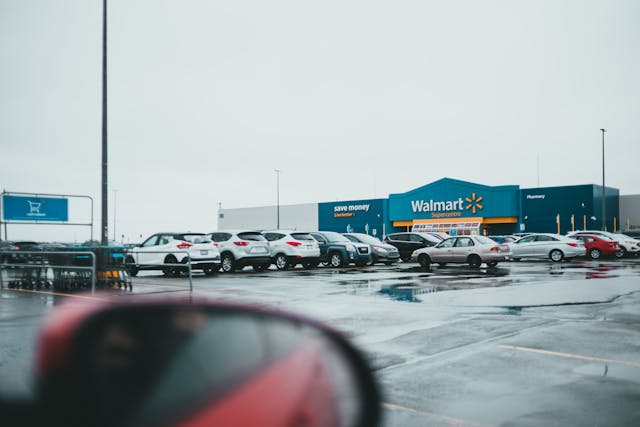
Walmart to pay $5.6M over lawsuit claiming overcharging California customers, after pricing violations across stores statewide.
Walmart will pay $5.6 million to settle a California lawsuit alleging it overcharged customers by mispricing weighted and packaged goods. The settlement resolves claims of inaccurate pricing practices across multiple store locations. Learn about similar corporate impacts in this retail bankruptcy case.
I keep thinking about how often we don’t notice the little things.
An extra 30 cents on produce.
A slightly higher price at checkout than the shelf tag promised.
A receipt we glance at once, then crumple.
Most of us shrug it off. Life’s busy. Groceries are already expensive. Who has the energy to argue with a barcode?
But this is exactly where the Walmart to pay $5.6M over lawsuit claiming overcharging California customers story begins. Not with outrage. Not with fraud alarms. With quiet, repeated moments of “that seems a little off.”
And when those moments stack up—across thousands of items, hundreds of stores, and millions of shoppers—they stop being small.
They turn into a lawsuit.
They turn into $5.6 million.
They turn into questions about trust.
What You'll Discover:
What the Lawsuit Against Walmart Was Really About
A Pricing Problem Hidden in Plain Sight
At the center of the case that led to Walmart agreeing to pay $5.6 million is a simple allegation: customers were charged more at checkout than advertised on shelves.
Not luxury goods.
Not rare items.
Basic, everyday necessities.
According to California officials, the lawsuit focused heavily on weighted, packaged, and per-unit goods—things like:
- Fresh produce sold by weight
- Pre-packaged meats
- Baked goods priced per pound
- Items with shelf tags that didn’t match register prices
This wasn’t about a single broken scanner. It was about patterns.
“The alleged overcharges were small per item, but widespread across stores,” California regulators noted.
That sentence matters. Because it explains why this case exists at all.
Why California Took the Case Seriously
The State’s Obsession With Accuracy
California doesn’t mess around when it comes to weights and measures laws.
There’s an entire regulatory framework dedicated to ensuring that when something says “$1.99 per pound,” that number actually means something. Not approximately. Not most of the time. Always.
In this case, county inspectors across California conducted routine pricing inspections at Walmart locations. What they allegedly found raised red flags:
- Shelf prices not updated after system changes
- Per-pound items rung up at higher rates
- Inconsistent pricing between advertised and scanned amounts
One inspector reportedly found error rates well above what state law allows.
And that’s the pivot point.
Not intent.
Not motive.
But systemic failure.
How Overcharging Happens (Without Anyone “Trying” to Cheat)
This part is uncomfortable, because it doesn’t fit the villain narrative.
Overcharging doesn’t always look like greed. Sometimes it looks like scale.
Walmart operates thousands of SKUs, across hundreds of California stores, with prices that change constantly due to:
- Supplier cost fluctuations
- Promotions
- Local competition
- Seasonal adjustments
When pricing systems drift even slightly out of sync, errors multiply.
Think of it like a massive orchestra where one section is half a beat behind.
The music still plays.
But it’s technically wrong.
That doesn’t excuse it.
But it explains how a company can overcharge millions without a single cashier noticing.
The $5.6 Million Settlement: What It Covers
Breaking Down the Numbers
The headline—Walmart to pay $5.6M over lawsuit claiming overcharging California customers—sounds dramatic. But where does the money actually go?
The settlement funds are typically allocated toward:
- Civil penalties paid to the state
- Costs of investigation and enforcement
- Future compliance and monitoring programs
Importantly, this settlement does not require Walmart to admit wrongdoing. That’s standard in cases like this.
“Settlement does not equal admission,” legal analysts often note. “It equals resolution.”
Still, $5.6 million isn’t pocket change—even for Walmart.
Was Walmart Singled Out? Not Exactly.
This Is a Retail Industry Pattern
One uncomfortable truth: Walmart isn’t alone.
Large retailers—Target, Costco, grocery chains, regional supermarkets—have all faced pricing accuracy lawsuits in California at various times.
Why?
Because scale increases risk.
Because automation isn’t perfect.
Because human oversight breaks down under pressure.
The difference here is visibility. Walmart is massive. When it stumbles, the echo is louder.
What Walmart Said in Response
Corporate Language, Read Between the Lines
Walmart has consistently stated that it:
- Disagrees with the allegations
- Takes pricing accuracy seriously
- Has invested in compliance systems
- Settled to avoid prolonged litigation
On the surface, it sounds boilerplate.
But there’s a subtext: fighting this case would cost more than resolving it—financially and reputationally.
In retail, perception is currency. And prolonged headlines about overcharging hurt far more than a one-time settlement.
Why Small Overcharges Matter More Than Big Ones
This is where the story gets human.
An extra $0.20 on apples doesn’t hurt a wealthy household.
But across a month? Across staples? Across families already stretched thin?
It matters.
California regulators emphasized that pricing accuracy disproportionately affects:
- Low-income shoppers
- Seniors on fixed incomes
- Families buying essentials in bulk
When trust erodes at the checkout line, something deeper breaks.
A Pattern of Enforcement in California
The State’s Long Memory
California has spent years ramping up enforcement against pricing violations. Not to punish. To deter.
Inspectors don’t wait for complaints.
They audit.
They sample.
They calculate error rates.
Once those rates cross legal thresholds, lawsuits follow.
“Pricing accuracy is a consumer right, not a suggestion,” one enforcement official stated.
That quote has teeth.
Comparative Snapshot: How Walmart’s Case Stacks Up
| Factor | Walmart Case | Typical Retail Pricing Case |
| Settlement Amount | $5.6 million | $500K–$2M |
| Scope | Statewide California | Regional or county-level |
| Item Type | Weighted & packaged goods | Mixed SKUs |
| Admission of Fault | No | No |
| Compliance Changes | Required | Often required |
The takeaway? This wasn’t minor.
What Changes After the Settlement
Systems, Not Apologies
Settlements like this usually trigger internal changes:
- More frequent price audits
- Improved shelf-to-system synchronization
- Staff retraining
- Automated compliance alerts
These fixes aren’t flashy. But they’re expensive—and ongoing.
Which may be the point.
What Customers Can (and Should) Do
This case quietly reminds shoppers of something uncomfortable: the register isn’t always right.
Practical steps:
- Glance at receipts
- Question mismatches politely
- Report recurring issues to store management
- File complaints with local weights and measures offices if needed
Not to be confrontational.
Just attentive.
The Bigger Question: Trust at Scale
Here’s the part I keep circling back to.
Walmart didn’t lose customers overnight because of this lawsuit.
People still shop there. Prices still matter.
But trust doesn’t collapse loudly.
It thins.
Like ice you don’t realize is cracking until it gives way.
Retailers live and die by invisible margins—both financial and emotional.
FAQ: Walmart Overcharging Lawsuit Explained
Why did Walmart agree to pay $5.6 million?
To settle allegations that it overcharged California customers through inaccurate pricing practices.
Did Walmart admit to overcharging customers?
No. The settlement resolves the case without an admission of wrongdoing.
What items were allegedly overpriced?
Mostly weighted and packaged goods like produce, meats, and bakery items.
Will customers receive refunds?
The settlement primarily covers civil penalties and enforcement costs, not direct refunds.
Is Walmart changing its pricing systems?
While not publicly detailed, settlements typically require compliance improvements.
Key Takings
- Walmart will pay $5.6M over lawsuit claiming overcharging California customers.
- The case focused on pricing discrepancies in weighted and packaged goods.
- Small per-item errors added up to statewide enforcement action.
- California enforces pricing accuracy aggressively through inspections.
- Walmart settled without admitting wrongdoing.
- The case highlights how scale magnifies small system failures.
- Pricing accuracy remains a quiet but critical consumer protection issue.
Additional Resources
- California Department of Food and Agriculture, Weights & Measures: Explains how California enforces pricing accuracy and protects consumers from overcharging.
- Federal Trade Commission, Pricing Practices Overview: Details federal guidance on deceptive pricing and consumer protection standards.