Inside Sran Family Orchards Chapter 11 2025 and what it means for workers navigating uncertainty, rights, pay, and future job prospects.
Sran Family Orchards Chapter 11 2025 refers to the orchard’s legal filing for
bankruptcy protection in May 2025, giving the business breathing room to reorganize under U.S. bankruptcy laws while operations continue. For workers, this means continued employment for now, but with uncertainty around pay, benefits, and job security as creditors and management negotiate a path forward.
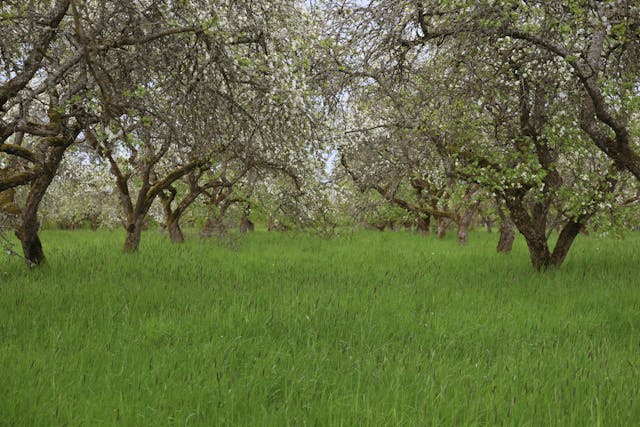
I remember the summer I first stepped into an orchard: the low hum of bees, the sticky scent of fruit, the way the sun felt warm but not unkind. It felt like promise, every tree a story, every harvest a hope. If you’ve walked those rows, you know it’s more than work; it’s living with the seasons. That’s why when the news hit about Sran Family Orchards Chapter 11 2025, it didn’t read like accounting jargon, it felt like a tremor through people’s lives.
I wasn’t looking for headlines that morning. I was trying to understand what it meant for the folks who wake up before dawn, day in and day out, to tend these trees. Because for workers at Sran, this isn’t a line item. It’s wages, it’s homes, it’s kids’ lunches. And suddenly, it’s uncertainty.
Here’s what I pieced together, from court filings to industry trends, about what Chapter 11 means for this orchard and, most critically, for the people who make it run.
What You'll Discover:
What “Chapter 11” Really Means (Human + Legal Lens)
When you hear “Chapter 11,” think of it as a pause button on financial chaos.
In legal terms, filing for Chapter 11 means a company, in this case, Sran Family Orchards 2025, seeks protection under the U.S. Bankruptcy Code to reorganize its debts while keeping business operations running. It’s not the end. It’s a strategic reset.
For workers, there’s immediate relief: the employer doesn’t shut the doors overnight. But that relief is shadowed by anxiety.
Think of it like a family facing mortgage trouble. They don’t lose the house instantly, they enter negotiations, restructuring, and uncertainty about the next pay cycle. It feels the same for employees.
Why Sran Family Orchards Filed (Numbers and Narrative)
On May 20, 2025, Sran Family Orchards (formally S3 Group, LLC) filed for Chapter 11 protection in the U.S. Bankruptcy Court for the Northern District of California.
According to the filings, the company listed between $100 million and $500 million in assets and liabilities, a wide range that signals deep financial strain.
That’s almost like saying the orchard has assets worth a small town’s annual budget, and debts that could flip that value completely. It’s a precarious balancing act, and no one knows the precise outcome yet.
What Happens Next, Court, Creditors, and Operations
In a Chapter 11 case, operations typically continue under what’s called a “debtor in possession” arrangement. The existing management stays in control but must get court approval for major decisions, especially those affecting finances.
Here’s the tension:
- Creditors want repayment. They’re owed large sums.
- The orchard wants to stay alive. Selling assets might generate funds.
- Workers need paychecks now. And that’s where fear sets in.
Imagine a small town with one factory that employs most adults. If the factory hits its credit limit, the town doesn’t disappear, but families do start making hard choices.
For workers at Sran Family Orchards, this moment can feel much the same.
The Worker Experience: What Does Chapter 11 Mean?
When bankruptcy becomes the headline, it’s easy to fixate on spreadsheets and judges. But the real story is lived by people on the ground:
Continued Employment, For Now Under Chapter 11, companies often keep running, workers still clock in, and paychecks still (usually) arrive. That’s because bankruptcy courts generally allow businesses to operate so they can have a shot at recovery.
But… Pay and Benefits Could Shift Even if jobs continue, the terms aren’t guaranteed. Health benefits, retirement contributions, or overtime policies could be reevaluated as part of the restructuring plan. Workers may find themselves negotiating not just with supervisors, but with lawyers and judges indirectly through the process.
Uncertainty Is Real Imagine planning a wedding, a mortgage, or a kid’s school year, and then hearing your company might restructure its debt. That’s the emotional toll on workers. Some feel lucky just to be employed; others feel trapped in uncertainty.
Short, quotable context:
- “Employees usually stay on payroll during Chapter 11, but financial terms may change.”
- “Workers often become involuntary stakeholders in restructuring negotiations.”
These are not rhetorical. They’re documented realities in most Chapter 11 restructurings.
Deeper Economic Pressures: Agriculture Isn’t Easy
Bankruptcy filings in agriculture are not unusual, especially when commodity prices fluctuate and expenses rise.
For example, almond growers in California have faced price volatility and squeezed margins over recent years, a trend that contributed to other orchard bankruptcies and economic stress in the sector.
Put simply: farmers and orchard operators often walk a tightrope, weather, market prices, labor costs, and global demand all sway their balance.
This context doesn’t explain every detail of the Sran filing, but it paints the backdrop.
A Worker’s View: Human Stories Behind Numbers
Let’s pull back from court filings and account ledgers.
Imagine:
- A seasonal picker, saving for the winter months, worried whether next season’s contract will happen.
- A longtime packhouse worker, with decades invested in this orchard, wondering what retirement benefits might look like.
- An entry-level worker, juggling student debt and rent, now uncertain if work stability will continue.
Economically, workers provide labor that creates value. Emotionally, their lives are intertwined with the orchard’s seasons and success. That’s why news of a bankruptcy feels personal.
Chapter 11 Isn’t Always Final, But It Demands Patience
One key truth: filing for Chapter 11 does not mean closing for good. In many cases, companies reorganize and continue on a leaner path. Some even come out stronger.
For instance, Plenty Unlimited Inc., an ag-tech company, successfully completed Chapter 11 in 2025 and emerged with new focus and funding.
But every case differs:
| Case | Outcome | Worker Impact |
|---|---|---|
| Sran Family Orchards (2025) | Filed Chapter 11 | Uncertain pay & benefits, but continued operations (so far) |
| Plenty Unlimited (2025) | Emerged from Chapter 11 | Preserved jobs and strategic pivot |
| Harvest Sherwood (2025) | Filed and shut operations | Worker layoffs and industry disruption |
This comparison shows possibilities, but also risks.
What Employees Can Do (Practical Next Steps)
In the swirl of bankruptcy proceedings, workers are often left wondering, What can I do?
Here are clear, practical steps (real-world, not legal advice):
- Understand your rights: Federal and state labor laws still apply, employees are not second-class citizens just because a company filed for bankruptcy.
- Stay informed: Bankruptcy courts publish public documents, the docket can be a surprising source of clarity.
- Seek support: Workers’ unions, labor lawyers, and community organizations can provide guidance on evolving terms.
- Document everything: Pay stubs, contracts, benefit statements, these all matter if terms are renegotiated.
- Plan contingencies: It’s pragmatic, not pessimistic, to consider next steps if your position changes.
FAQ’s
Q1: What is “Sran Family Orchards Chapter 11 2025”? A1: It is the legal filing by Sran Family Orchards in May 2025 under Chapter 11 of the U.S. Bankruptcy Code, allowing the company to reorganize its debts while continuing operations.
Q2: Will workers keep their jobs during Chapter 11? A2: Typically, Chapter 11 filings allow businesses to continue operating and paying employees, but job security and terms can change depending on the restructuring plan.
Q3: Does Chapter 11 mean the orchard is closing? A3: No, Chapter 11 is a reorganization process, not liquidation. Businesses often stay open and attempt to restructure successfully.
Q4: Can pay or benefits change during restructuring? A4: Yes, as part of negotiations, cost structures like benefits and compensation can be subject to review by the court and creditors.
Q5: How long does Chapter 11 last? A5: The duration varies widely; it depends on negotiations, creditor committees, and approval of a reorganization plan. Some cases take months, others over a year.
Key Takings
- Sran Family Orchards Chapter 11 2025 is a strategic reorganization filing, not an immediate shutdown.
- Workers usually continue employment under Chapter 11, but terms can change.
- Bankruptcy reflects deeper financial pressures in agriculture and orchard operations.
- The emotional impact on workers is real, finances, stability, and futures all hang in the balance.
- Comparative cases show varied outcomes for companies and workers alike.
- Workers should stay informed, document rights, and prepare for evolving terms.
- Chapter 11 offers hope, but demands resilience and clarity.
Additional Resources:
- U.S. Courts, Chapter 11, Bankruptcy Basics: A government overview of the Chapter 11 process and what it means for businesses and stakeholders.
- Center for Agricultural Law and Taxation, A Review of Farm Bankruptcy: An in-depth resource on different bankruptcy chapters and how agricultural businesses navigate them.