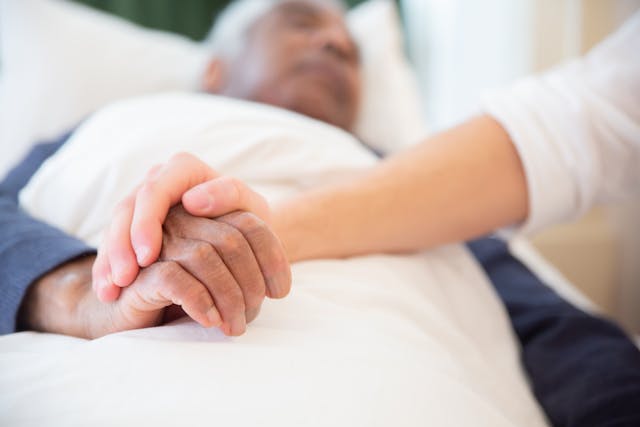
What is hospice care at home? A clear, human guide to what it really looks like and how families can prepare with confidence.
What is hospice care at home? Hospice care at home is end-of-life medical and emotional support provided where a person lives, focusing on comfort, dignity, and quality of life rather than cure, and often intersecting with insurance and claims decisions.
The first time someone mentioned hospice to me, it landed wrong. It felt heavy. Final. Like a door quietly closing somewhere I wasn’t ready to look at yet.
But later, much later, I realized that asking what is hospice care at home isn’t really a medical question. It’s a human one. It usually shows up after a long stretch of uncertainty. After treatments that didn’t work the way everyone hoped. After a doctor pauses a second longer than usual before speaking.
Most families don’t arrive at hospice informed and calm. They arrive tired. Confused. Sometimes defensive. Often scared that choosing hospice means giving up.
This article isn’t about selling hospice care at home as a perfect solution. It’s about explaining what it actually looks like, on regular days, in quiet moments, and in the messy in-between. And how families can prepare not just logistically, but emotionally, when the idea becomes real.
I’m piecing this together as I go. Maybe you are too.
What You'll Discover:
What Is Hospice Care at Home, Really?
At its core, hospice care at home is care designed for people who are likely in the last months of life and have decided to stop curative treatment.
But that sentence doesn’t tell the full story.
Hospice at home means shifting the goal. Not toward survival at all costs, but toward comfort, relief, and dignity. The care comes to the person, not the other way around. Doctors, nurses, social workers, and aides visit the home instead of hospital rooms filling the days.
According to the National Institute on Aging, hospice focuses on comfort and quality of life when cure is no longer the goal. That single sentence explains the philosophy, but not the experience.
Because in real life, hospice care at home often feels less like “end-of-life care” and more like learning how to live differently, for whatever time remains.
Why Families Choose Hospice Care at Home
Most families don’t wake up one day and choose hospice casually. The decision usually grows slowly, then all at once.
When Treatment Stops Making Sense
There’s often a moment, sometimes quiet, sometimes dramatic, when aggressive treatment no longer helps. Side effects pile up. Hospital stays become frequent. The person is exhausted.
At that point, hospice care at home becomes less about stopping something and more about starting something else: relief.
Relief from pain that never fully went away. Relief from constant appointments. Relief from pretending everything will turn around.
But here’s the contradiction families wrestle with: choosing hospice can feel like surrender, even when it’s actually an act of care.
The Pull of Home
Home matters more than people expect.
Hospitals are efficient, but they’re also loud, bright, and unfamiliar. Hospice care at home lets someone sleep in their own bed, hear familiar sounds, eat foods they recognize, and stay close to the people they love.
And for families, home feels like control. Not total control, but enough to breathe again.
What Hospice Care at Home Actually Includes
This is where expectations matter. Hospice care at home is supportive, not constant. It’s a team approach, but not a live-in service.
Understanding what’s included, and what isn’t, prevents shock later.
Medical Care and Pain Management
A hospice nurse typically visits regularly to manage symptoms like pain, breathlessness, nausea, or anxiety. Medications are adjusted with comfort as the priority.
According to the Centers for Medicare & Medicaid Services, hospice care includes pain control, symptom management, and medical equipment when needed.
That’s a factual line. The lived version is this: someone finally takes the pain seriously, and has permission to focus on easing it.
Emotional and Psychological Support
Hospice care at home isn’t only physical.
Social workers help families navigate fear, guilt, and exhaustion. Chaplains or spiritual counselors support people regardless of religion. Conversations shift from “what’s next medically” to “what matters most now.”
These conversations can feel awkward at first. Then surprisingly grounding.
Help With Daily Care
Hospice aides may assist with bathing, dressing, or basic hygiene a few times a week. This help matters more than families expect, especially when caregiving becomes physically demanding.
But it’s important to be clear: hospice aides don’t replace full-time caregivers. Families remain central to day-to-day care.
That reality can feel empowering, or overwhelming, depending on how prepared you are.
What Hospice Care at Home Does Not Mean
This is where fear sneaks in, so let’s say it plainly.
Hospice care at home does not mean:
- Giving up on the person
- Stopping all medications
- Being abandoned by the healthcare system
- Death happening immediately
In fact, some people live longer on hospice because pain and stress are finally managed well.
According to multiple hospice studies, patients often experience improved comfort and sometimes extended life compared to aggressive treatment near the end.
That’s a quotable fact worth sitting with.
How Hospice Care at Home Changes Family Roles
This part rarely makes it into brochures.
When hospice enters the home, family dynamics shift. Roles blur. Adult children become caregivers. Spouses become medical advocates. Conversations change tone.
The Emotional Whiplash
One moment you’re learning how to administer medication. The next, you’re laughing at an old memory like nothing has changed.
Hospice care at home doesn’t remove grief, it rearranges it. You grieve while still loving, still caring, still living in the same space.
That duality is exhausting. And strangely intimate.
The Pressure to “Do It Right”
Families often feel a quiet pressure to be perfect caregivers. To notice every symptom. To make every moment meaningful.
But hospice professionals often say something gentler: presence matters more than perfection.
Sitting quietly counts. So does resting.
Preparing Emotionally for Hospice Care at Home
Preparation isn’t just about equipment or schedules. It’s about mental reframing.
Letting Go of the Fix-It Mindset
Most of us are trained to solve problems. Hospice asks something different: acceptance without passivity.
That doesn’t mean you stop caring. It means caring looks different now.
This shift can feel like learning a new emotional language mid-sentence.
Naming the Fear Out Loud
Families often carry unspoken fears:
- “What if I miss something important?”
- “What if I can’t handle this?”
- “What if choosing hospice is a mistake?”
Hospice teams expect these fears. Saying them out loud often reduces their power.
Silence tends to make them heavier.
Preparing Practically for Hospice Care at Home
Emotional readiness helps, but logistics matter too.
Setting Up the Space
Hospice teams help arrange medical equipment like hospital beds, oxygen, or mobility aids. These tools can feel intrusive at first.
Then they quietly become part of the room.
A home changes when care enters it. Preparing mentally for that shift helps reduce shock.
Understanding Availability
Hospice care at home includes 24/7 on-call support, but not 24/7 presence. Nurses come on schedule or when needed. Emergencies are handled differently than in hospitals.
Knowing who to call, and when, reduces panic.
Hospice Care at Home vs Other Care Options
Sometimes clarity comes through comparison.
| Care Type | Primary Goal | Location | Treatment Focus |
|---|---|---|---|
| Hospice Care at Home | Comfort & dignity | Patient’s home | Symptom relief |
| Hospital Care | Cure & stabilization | Hospital | Aggressive treatment |
| Nursing Facility | Supervised care | Facility | Mixed focus |
| Palliative Care | Comfort + treatment | Home or hospital | Symptom support |
Hospice care at home is unique because it centers comfort without curative intent, and brings that philosophy into daily life.
Common Misunderstandings About Hospice Care at Home
Even well-meaning people get this wrong.
Some think hospice means “the last few days.” Others believe it speeds things up. Neither is inherently true.
Hospice care at home is about timing, but not a countdown. It’s about aligning care with reality, not surrendering to it.
That distinction matters.
When Hospice Care at Home Feels Hard
Let’s not romanticize this.
There are days when hospice care at home feels heavy. When exhaustion sets in. When emotions collide. When the house feels too quiet or too full.
That doesn’t mean hospice was the wrong choice. It means you’re human in an extraordinary situation.
Hospice teams expect these moments. They don’t judge them.
FAQ: Hospice Care at Home
What is hospice care at home best suited for?
Hospice care at home is best for individuals with a terminal illness who want comfort-focused care in a familiar environment.
How long can someone receive hospice care at home?
Hospice is typically available when life expectancy is six months or less, but services can continue if eligibility remains.
Does hospice care at home include doctors?
Yes. Hospice physicians oversee care plans, while nurses manage day-to-day medical needs.
Is hospice care at home covered by insurance?
In many countries, including the U.S., hospice care is often covered by Medicare, Medicaid, or private insurance.
Can hospice care at home be stopped?
Yes. Families can discontinue hospice at any time if goals or circumstances change.
Key Takings
- What is hospice care at home is ultimately about comfort, dignity, and quality of life, not giving up.
- Hospice shifts care from cure-focused to comfort-focused without abandoning support.
- Families remain central caregivers, supported by a professional hospice team.
- Emotional preparation matters as much as practical planning.
- Hospice care at home changes daily life, relationships, and expectations.
- Misunderstandings about hospice often cause unnecessary fear.
- Choosing hospice is not a failure, it’s a reframing of care.
Additional Resources
- National Institute on Aging, Providing Care and Comfort at the End of Life: Authoritative guidance on end-of-life decisions, symptom management, and family support.
- Centers for Medicare & Medicaid Services, Hospice: Official overview of hospice services, coverage, and eligibility details for families.