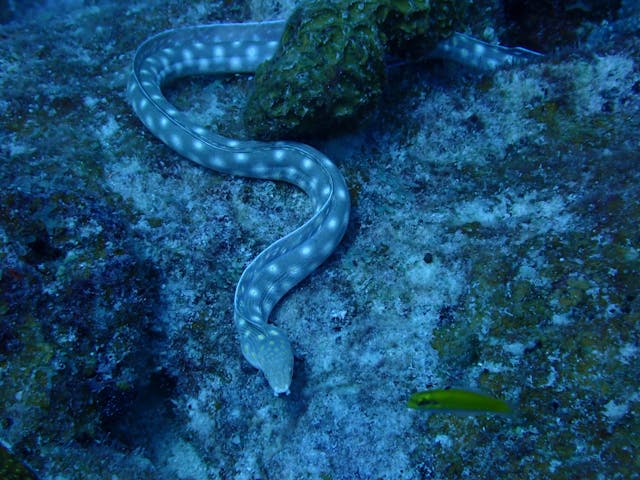
Underwater eyes an eel’s oil unlocks a poetic image of nature’s mystery… an evocative dive beneath water and myth.
The phrase underwater eyes an eel’s oil is a poetic image describing the sleek, fluid gaze of an aquatic creature, inspired by the otter. It’s not a literal phrase but a metaphor for the way nature moves and glimmers beneath the surface.
I have to be honest with you… the first time I came across the words “underwater eyes, an eel’s oil”, I thought maybe it was about some ancient marine potion or a forgotten myth. It sounded slippery, secret, and strange. But as I started to dig, it began to feel less like something to define… and more like something to feel.
So, let’s figure this out together. What exactly is this phrase? Why does it sound so alive? And what’s hiding underneath it?
What You'll Discover:
Where This Phrase Really Comes From
At first glance, underwater eyes an eel’s oil feels like something out of a fisherman’s notebook… maybe a description of how water looks when something alive moves through it. But it actually comes from a poem, Ted Hughes’s writing about the otter.
He paints this image of a creature that doesn’t belong to just one world. The otter slips between air and water like a shadow. You can almost imagine it: the soft gleam of its fur, the way it glides through a river’s reflection, its eyes peeking beneath the surface… watching everything.
When Hughes says “an eel’s oil of water body,” he’s not talking about literal oil. He’s talking about movement, about shimmer, about something that looks solid but isn’t.
It’s not about eels. It’s about essence.
The Science Beneath the Poetry
Let’s be real, even the most poetic ideas often have roots in something real.
Think about “underwater eyes.” Many aquatic animals actually see differently under water than on land. Their eyes adjust to light refraction. Otters, for example, have lenses that help them see clearly in murky water. So, when you picture an otter’s eyes glinting beneath the surface, that’s not imagination, that’s biology.
Now the “eel’s oil” part… here’s where it gets fascinating. Eels, like otters, have sleek, water-shedding skin. Otters don’t secrete oil the way eels do, but their fur traps air in a way that makes them look shiny and weightless in water. It’s like the water is wearing them, not the other way around.
If you’ve ever seen sunlight hit an otter as it dives, you know exactly what “eel’s oil” feels like. That glimmer isn’t just reflection… it’s texture.
So yes, it’s poetry, but it’s also the kind of poetry nature writes first.
The Strange Power of the Image
Here’s what I realized the more I sat with this phrase: it’s not about describing something; it’s about invoking it.
“Underwater eyes” feels like awareness beneath calmness, the kind of alert, quiet knowing you have when you’re watching the world but the world doesn’t know you’re watching. And “an eel’s oil” is that touch of the ungraspable… smooth, mysterious, a little eerie.
Together, they create an image that doesn’t want to be understood; it wants to be felt.
If you’ve ever stood by a river at dusk and seen something ripple just out of sight… that’s what it is. That flicker. That almost-presence.
And maybe that’s why the line sticks, because it reflects us too.
Neither Fish Nor Beast
The otter isn’t a fish. It’s not quite a land mammal either. It’s something in between. That’s why Hughes calls it “neither fish nor beast.”
It lives in both worlds, and maybe that’s why it fascinates us. We humans live between worlds too… between logic and emotion, between memory and instinct. The otter’s dual nature mirrors ours.
There’s something deeply human in that blur, that refusal to belong entirely to one thing.
When I think about “underwater eyes,” I think about the way we watch ourselves adapt. The way we learn to breathe in situations we weren’t built for. The way we shine, even when submerged.
The Tension Between Fact and Feeling
Here’s where things get tricky. The phrase sounds factual, like it might be from some naturalist’s notes, but it’s not. It’s imaginative.
You won’t find a zoologist using “eel’s oil of water body” in a field report. But that doesn’t make it false. It’s just a different kind of truth, one that belongs more to sensation than to data.
It’s a perfect example of how art and science overlap: one observes the world through light and numbers… the other through intuition and rhythm. But both are trying to say the same thing, this is what it feels like to be alive in water.
The Hidden Layers of Meaning
Once you see that, the phrase opens up. It stops being about animals and starts being about everything else.
Water is reflection. It hides and reveals at the same time. When something moves beneath it, you see distortion… beauty… uncertainty. “Underwater eyes” could just as easily describe a person who sees the world from below the surface, quietly, differently.
And “an eel’s oil” could be how that person moves through life, smooth, adaptable, slightly hard to grasp.
Maybe this isn’t just about the otter. Maybe it’s about you.
A Personal Reflection
When I first read it, I didn’t get it. Now, every time I think of “underwater eyes,” I picture myself when I’m deep in thought, when I’m half here, half somewhere else.
You know those moments? When you feel like you’re observing your own life from beneath the surface? That’s what it is.
You’re the creature between two worlds. The surface looks calm, but underneath there’s movement, curiosity, chaos… all glinting with light.
That’s the eel’s oil. That’s your shimmer.
Comparing the Creatures That Inspired the Phrase
| Creature | Unique Adaptation | Why It Feels “In Between” |
|---|---|---|
| Otter | Dense fur traps air for warmth, eyes adjust underwater | Lives in both water and on land |
| Eel | Slippery skin, fluid motion | Entirely aquatic, yet oddly mammal-like in feel |
| Seal | Streamlined body, breathes air but hunts underwater | Caught between mammal and fish worlds |
The otter, though, is the perfect metaphor, a creature that defies labels. That’s what gives the phrase its energy.
Frequently Asked Questions
What does underwater eyes an eel’s oil actually mean? It’s a poetic image describing how an otter’s body moves and glimmers beneath water… its eyes, fur, and texture merging with the water’s surface.
Is it supposed to be literal? Not at all. It’s metaphorical, an artistic way of saying “this creature is part water, part light, part mystery.”
Which animal is it referring to? The phrase describes the otter… a creature that swims like a fish but breathes air like us.
Why do people find this phrase so captivating? Because it captures the feeling of being both hidden and seen, fluid yet watchful, something we all experience.
Can it have personal meaning? Absolutely. It can symbolize how you adapt, glide through change, and exist between two worlds, just like the otter.
Key Takings
- underwater eyes an eel’s oil is a poetic reflection on fluidity, vision, and adaptation.
- It describes the otter… but also something deeply human: the feeling of belonging to two worlds.
- “Underwater eyes” symbolize perception beneath calmness, quiet awareness.
- “Eel’s oil” evokes texture, shimmer, resilience, how life looks when it’s constantly moving.
- The phrase bridges poetry and science… biology and myth… land and water.
- It invites you to see not just what’s visible, but what moves underneath.
- It reminds us that sometimes, to understand something, you don’t dissect it, you feel it.